
What Is Trauma Bonding?
Trauma bonding forms when intense cycles of abuse and affection create an addictive emotional attachment with someone who is the cause of pain as well as a source of comfort and connection.
Trauma Bond Experiences in Dating
- Love bombing
- Falling in love quickly
- Idealization phase
- Intense emotional highs
- Feeling “soulmate” connection
- Intense questioning (answer used against you later)
- Rapid intimacy
- Excessive compliments/gifts
- Shared secrets early
- Feeling understood like never before
Relational Pattern Signs
- Cycle of abuse: tension building → incident → reconciliation → feeling calm and relieved
- Intermittent reinforcement – unpredictable good and abusive behaviour
- Experiencing love bombing followed by harsh criticism
- Power imbalance in the relationship
- One person holds most of the control
- Apologies and promises of change that never materialize
- Brief periods of improvement followed by return to harmful patterns
- Feeling like you’re always chasing the “good times” you had early on
Emotional Signs
- Feeling addicted to the person despite them hurting you
- Intense fear of abandonment or losing them
- Making constant excuses for their harmful behavior
- Feeling like you can’t live without them
- Experiencing extreme highs when they’re kind and extreme lows when they’re abusive
- Feeling responsible for their emotions and behavior
- Deep shame about staying in the relationship
- Feeling like no one else understands them the way you do
- Romanticizing the relationship or their “potential”
- Feeling hopeful that they will change
- Feeling grateful for basic respect or bare minimum treatment
Cognitive/Mental Signs
- Obsessive thoughts about the person
- Cognitive dissonance (holding two conflicting beliefs simultaneously)
- Minimizing, denying, or rationalizing abuse or mistreatment
- Difficulty remembering the bad times when things are good
- Believing you’re the only one who can help or save them
- Convincing yourself it’s not “that bad”
- Confusion about what’s real vs. what you’re being told
- Difficulty trusting your own perceptions and memories
- Believing their version of events over your own experience
- Thinking if you just try harder, things will get better
Behavioral Signs
- Repeatedly returning after leaving or trying to leave
- Isolating from friends and family who express concern
- Hiding the truth about the relationship from others
- Walking on eggshells to avoid upsetting them
- Constantly seeking their approval or validation
- Sacrificing your values, goals, or boundaries for them
- Defending them to others who show concern
- Maintaining contact despite knowing it’s harmful
- Engaging in behaviors you normally wouldn’t to please them
- Checking their location, messages, or social media obsessively
Physical Signs
- Anxiety symptoms (racing heart, shortness of breath, panic)
- Sleep disturbances (insomnia or sleeping too much)
- Stomach issues and digestive problems
- Chronic tension or pain
- Fatigue and exhaustion
- Weakened immune system
- Changes in appetite
- Stress-related health issues
Self-Perception Signs
- Loss of sense of self or identity
- Decreased self-esteem and self-worth
- Feeling broken or damaged
- Believing you don’t deserve better
- Taking on blame for things that aren’t your fault
- Feeling like you’re “crazy” or overreacting
- Loss of confidence in your judgment
- Feeling fundamentally flawed or unlovable
- Believing you need them to be complete
Social/Interpersonal Signs
- Withdrawal from support systems
- Conflict with friends/family who express concern
- Losing interest in activities you once enjoyed
- Feeling like no one else understands
- Difficulty forming or maintaining other relationships
- Prioritizing the trauma-bonded relationship above all else
- Feeling alienated from your former life
- Secretiveness about the relationship and abuse
Warning Signs of Severe Trauma Bonding
- Accepting physical violence as normal
- Complete loss of boundaries
- No longer recognizing abusive behavior as wrong
- Feeling you deserve mistreatment
- Complete financial or practical dependence
- Total isolation from outside support
- Inability to imagine life without them
Leaving or Separation Signs
- Intense withdrawal symptoms when apart (feels like addiction)
- Grieving the “potential” of the relationship, not the reality
- Repeated attempts to leave followed by returns
- Feeling physical pain at the thought of permanent separation
- Fantasizing about them changing
- Monitoring their life from a distance
- Difficulty moving on even after separation
- Ruminating on memories (especially idealized early period)
Feeling Stuck in a Trauma Bond
Time doesn’t heal all wounds.
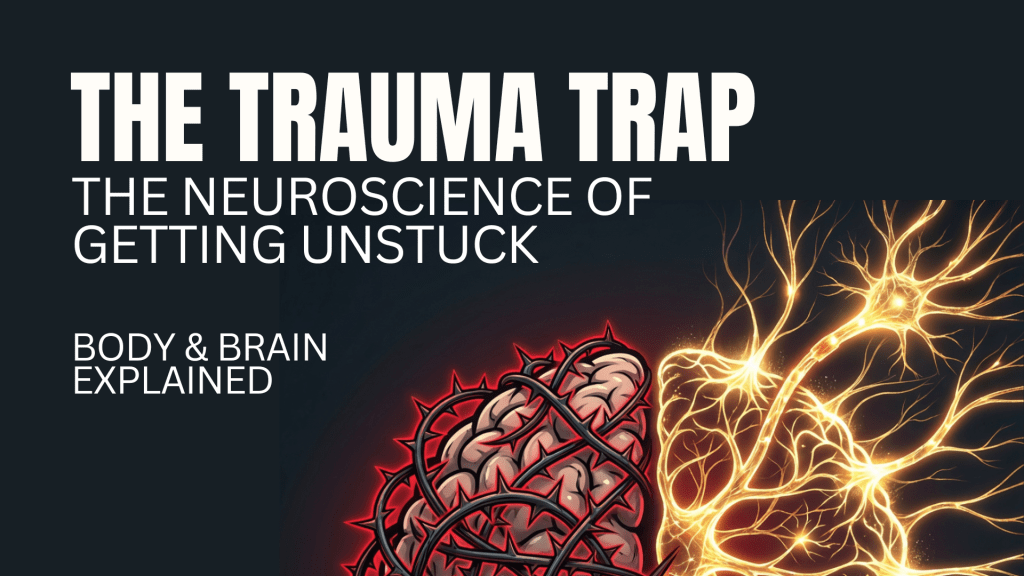
Your brain is on fire and stuck in a trauma bond.
The symptoms you are experiencing are smoke from the fire. You may have already tried talk therapy, meditation, CBT, etc. but when your brain is on fire, nothing works.
Stop the fire and the smoke will clear.
You’re one session away.
Listen, are you breathing just a little and calling it a life?
-Mary Oliver
ONLINE COURSES


GROUP HYPNOTHERAPY
“We cannot ignore our pain and feel compassion for it at the same time.”
-Brené Brown
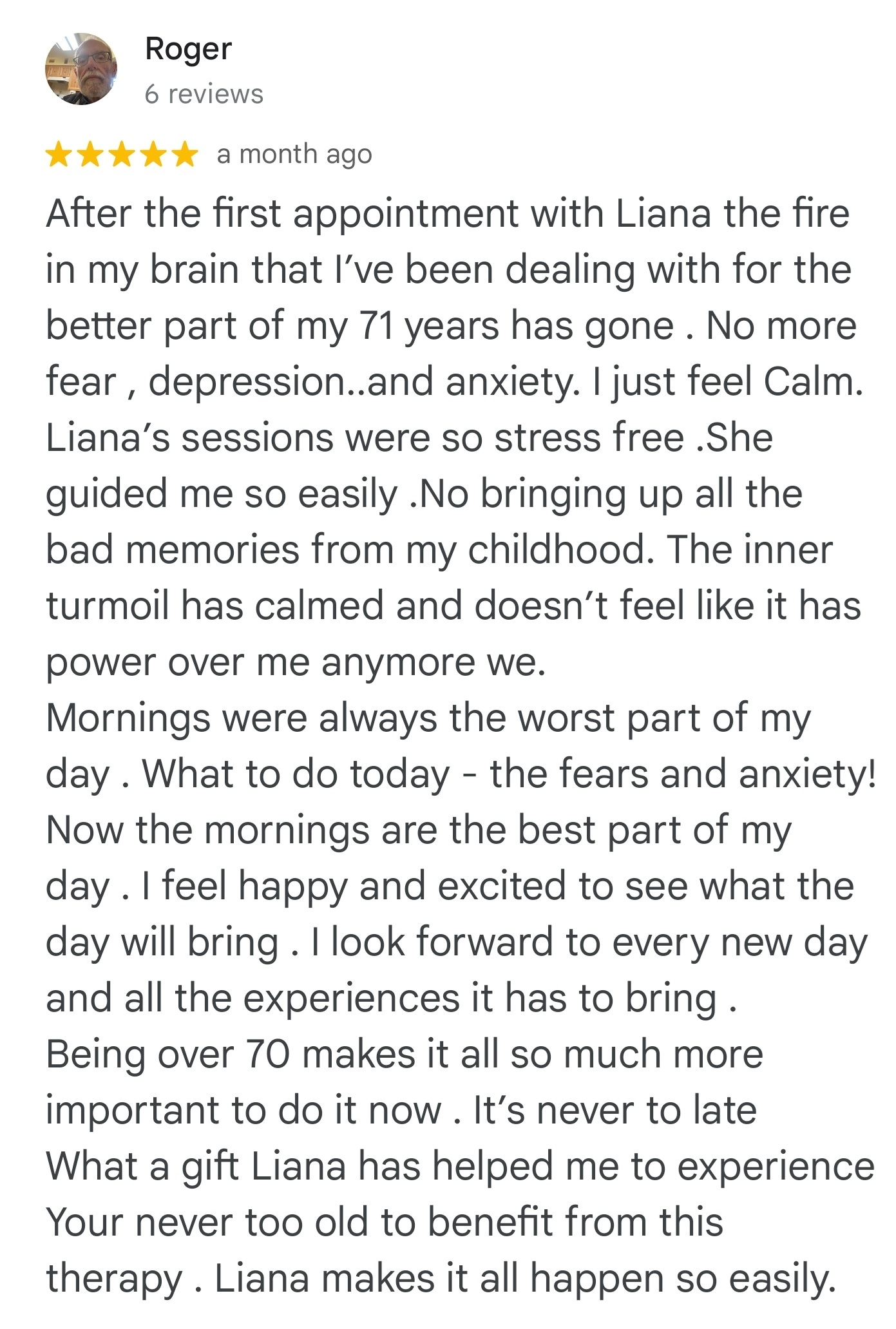
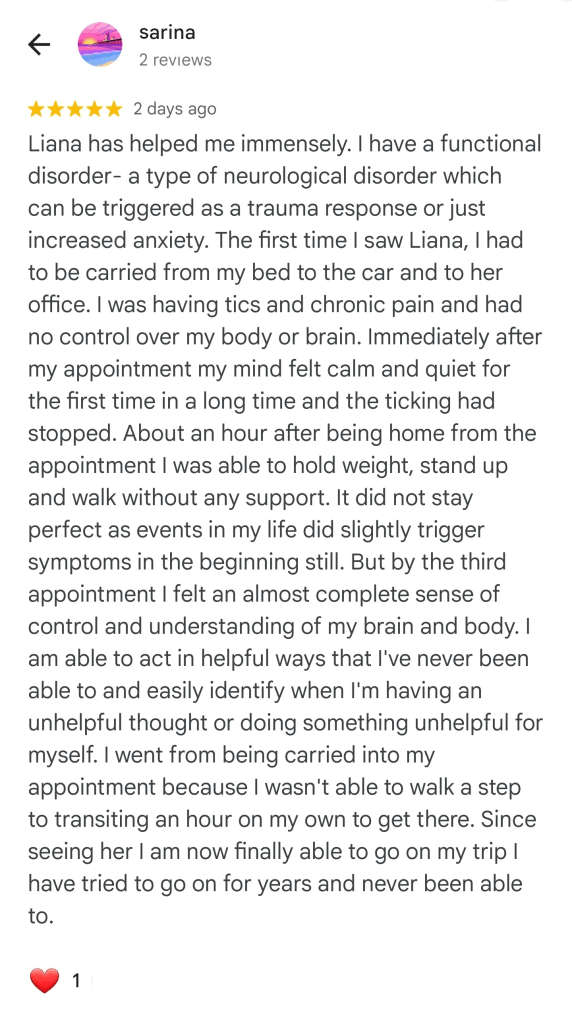
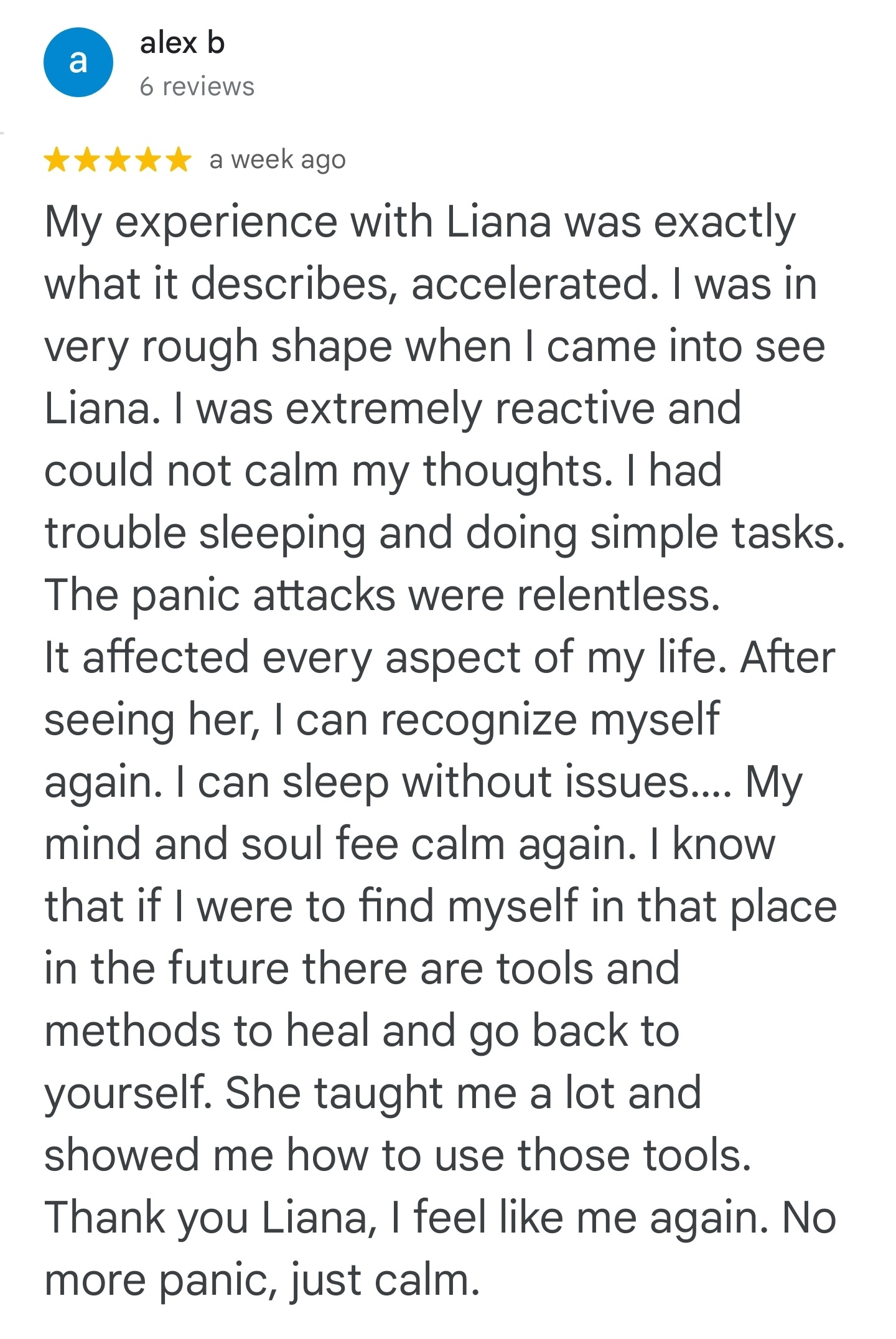
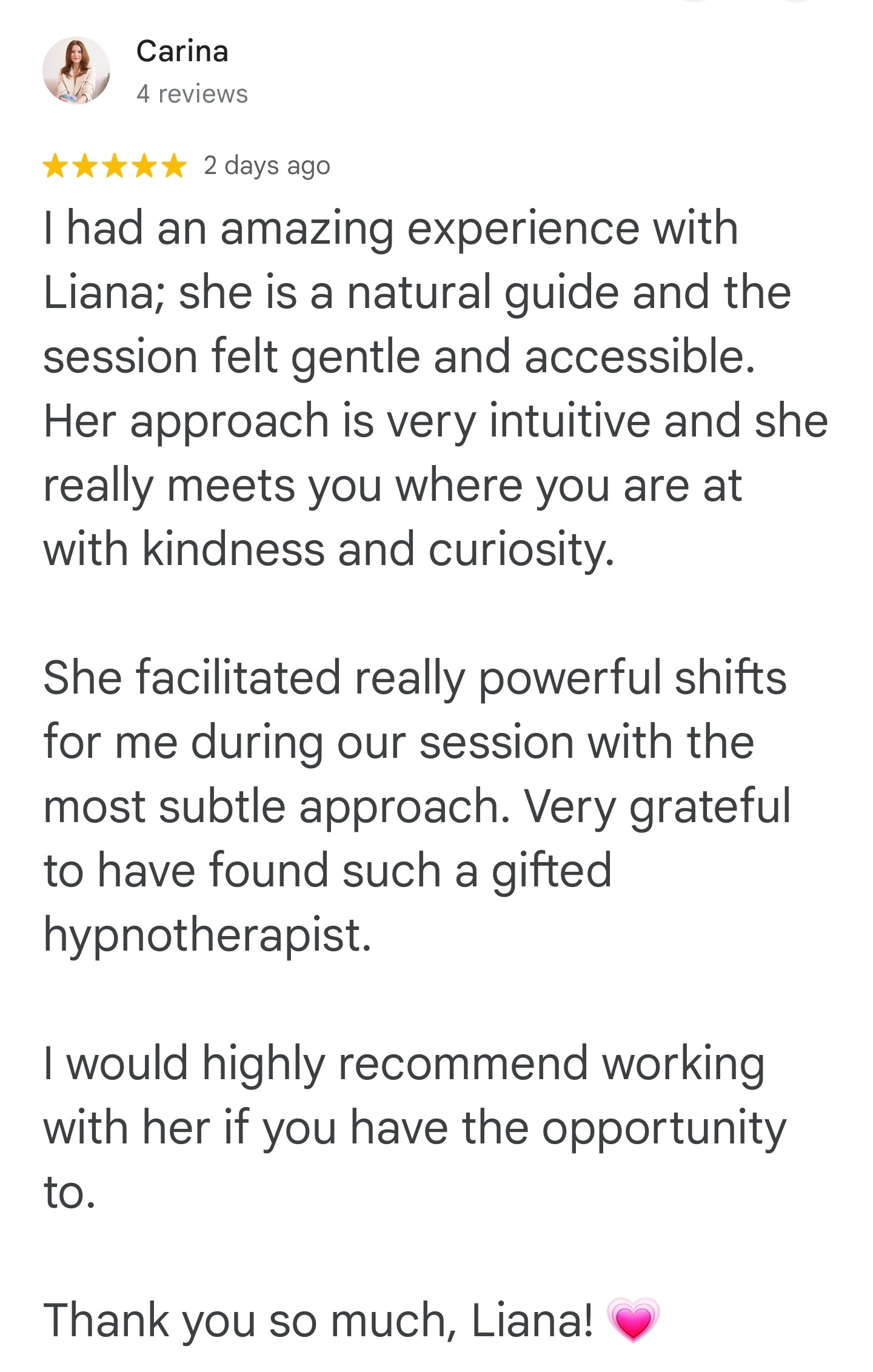
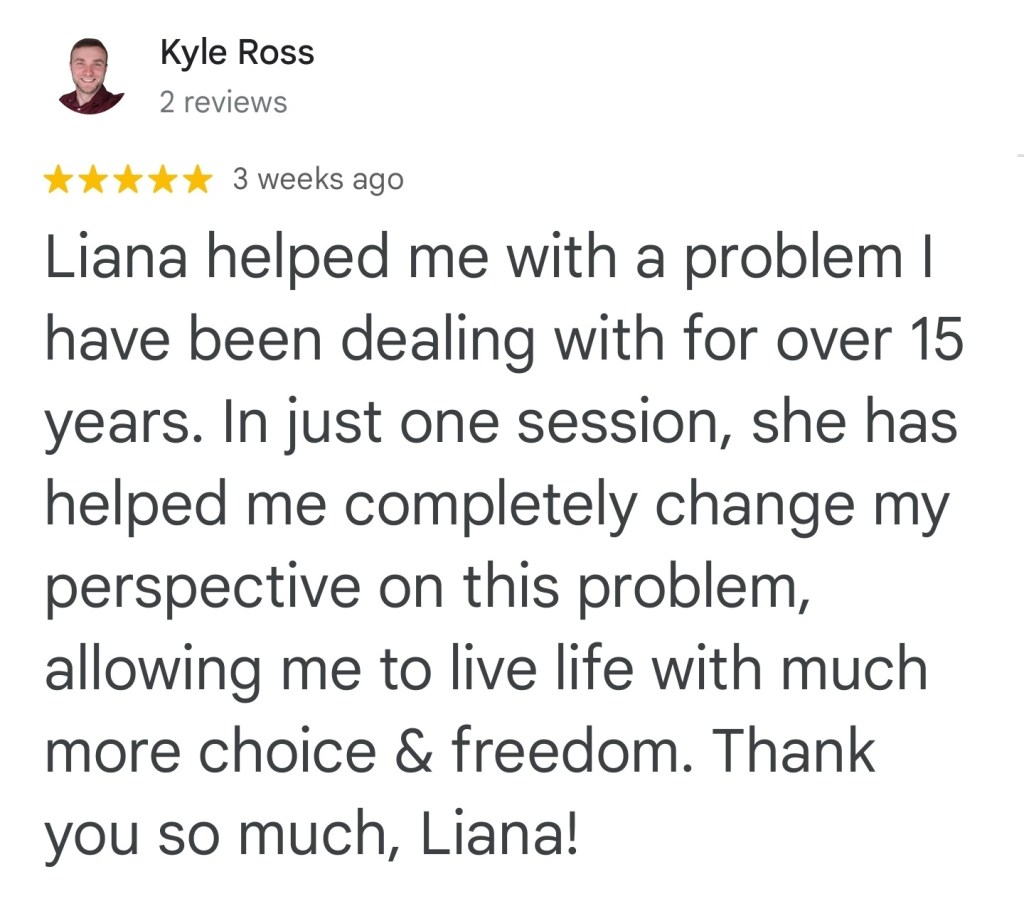
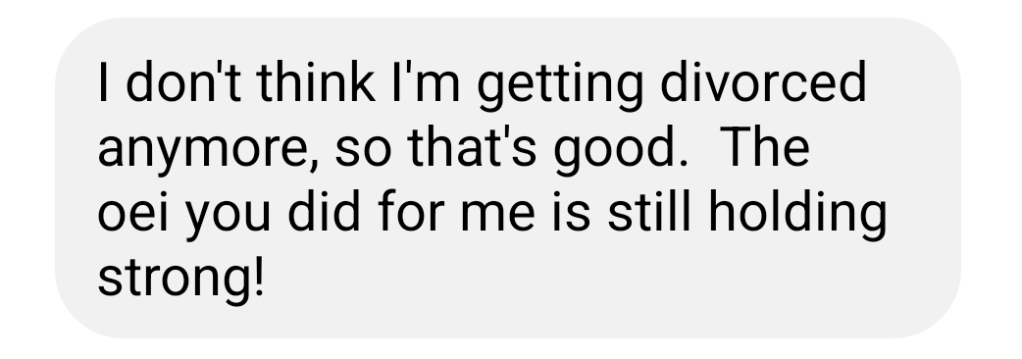
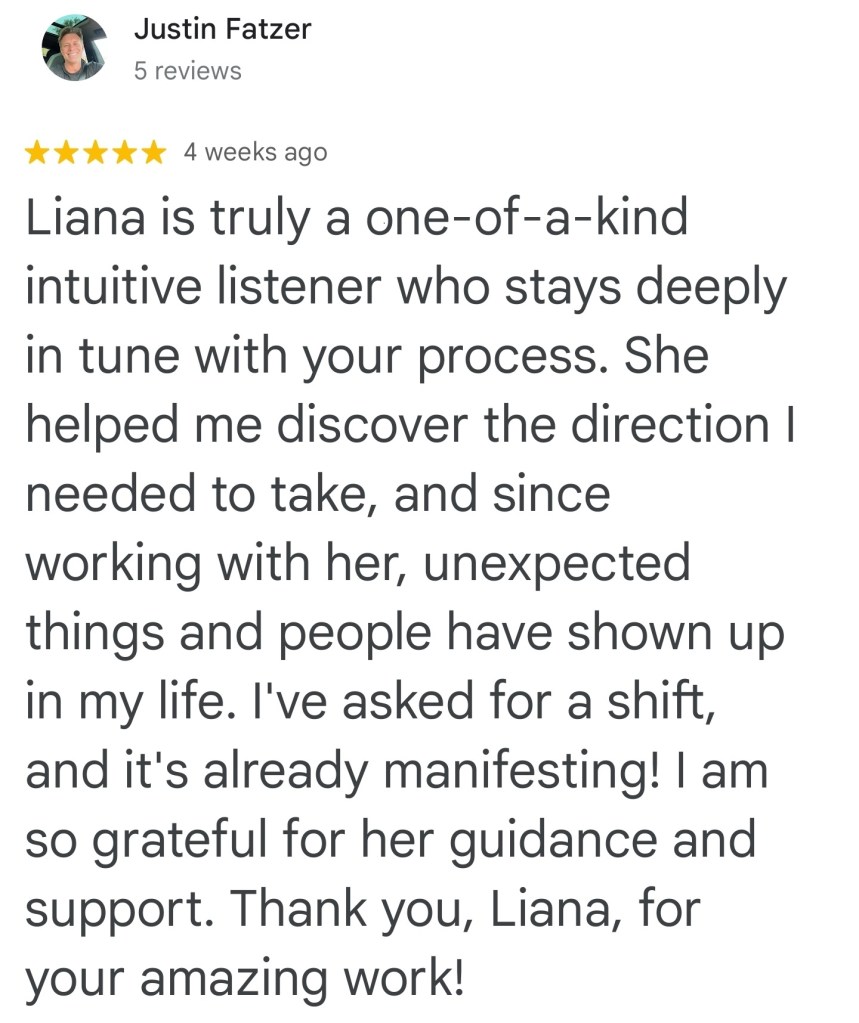
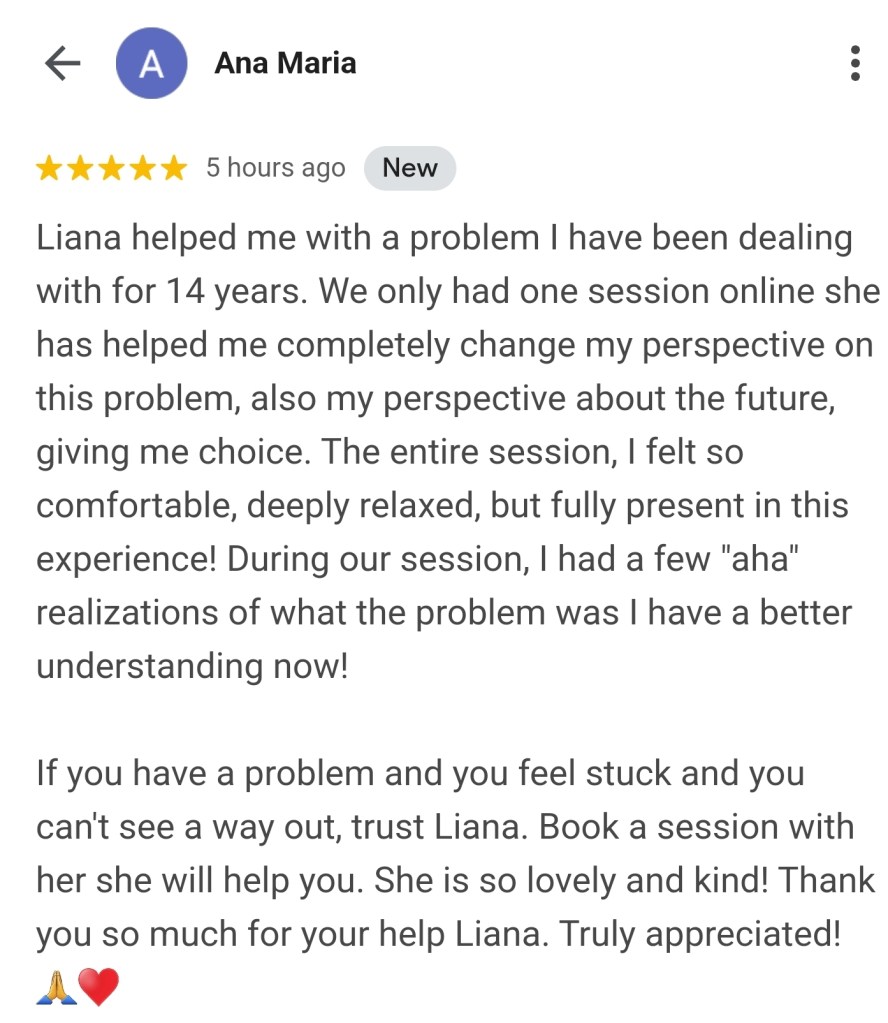
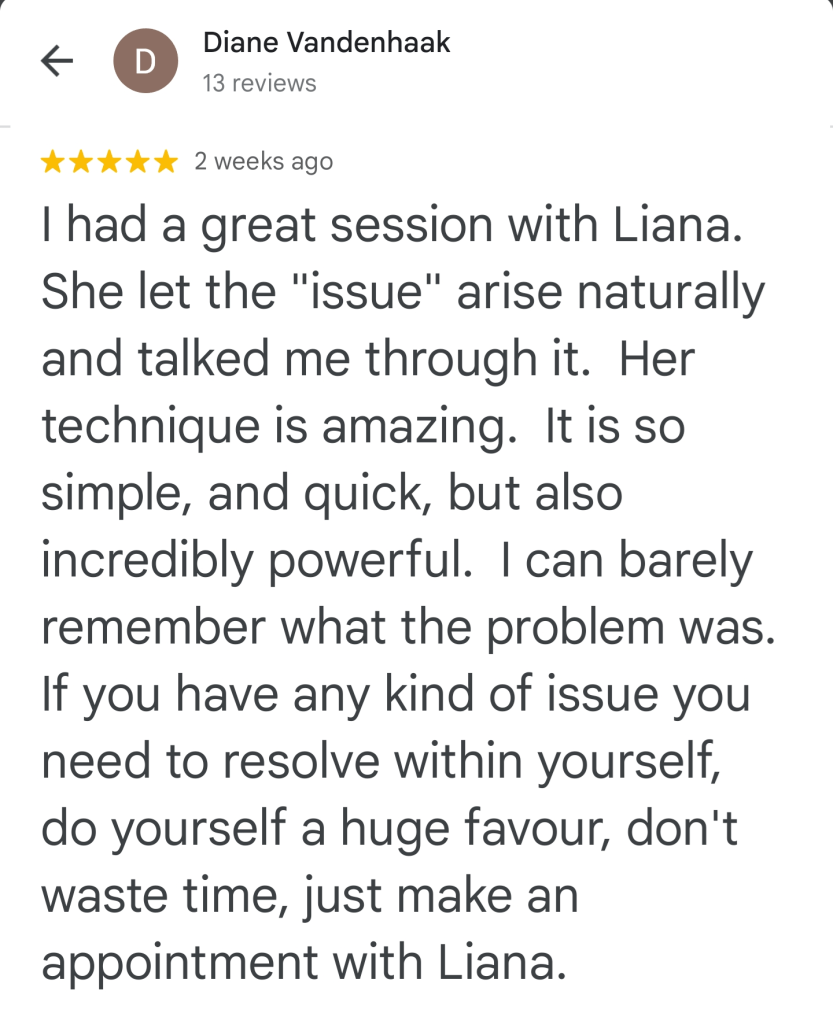
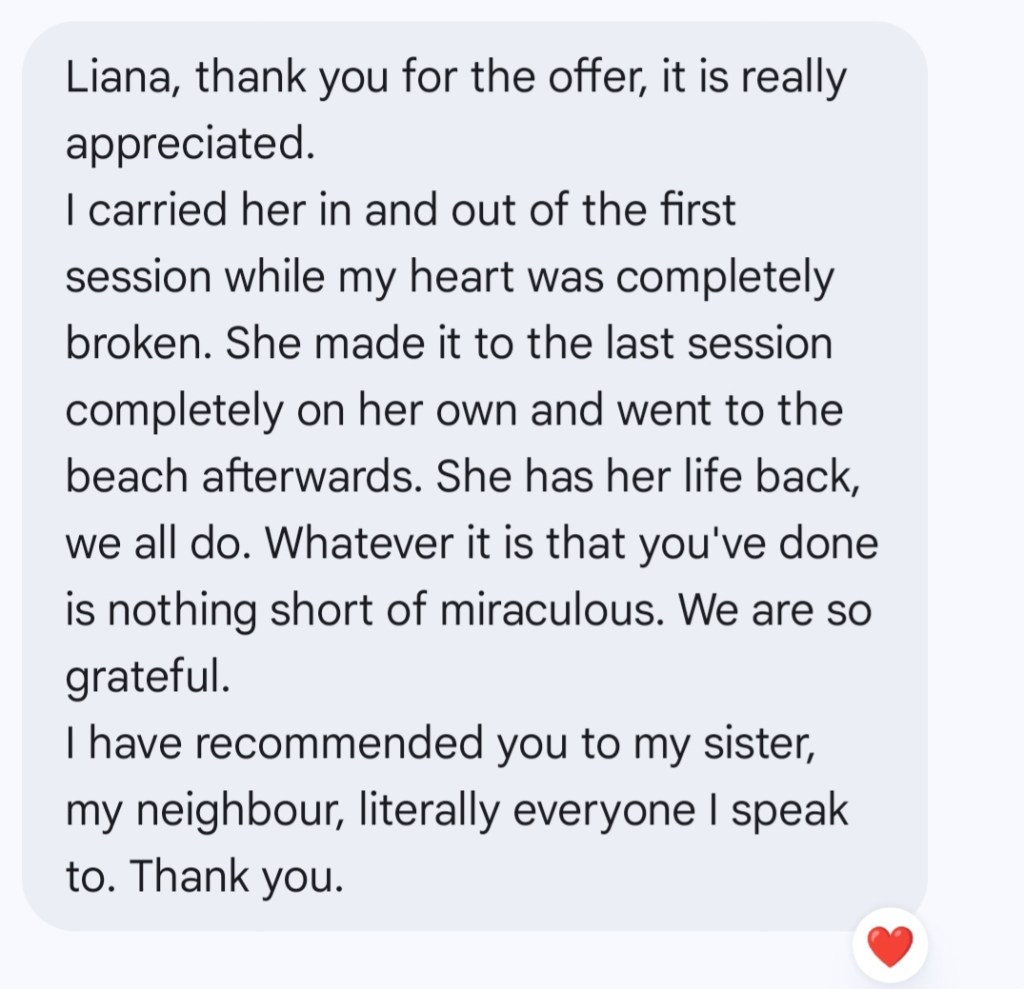
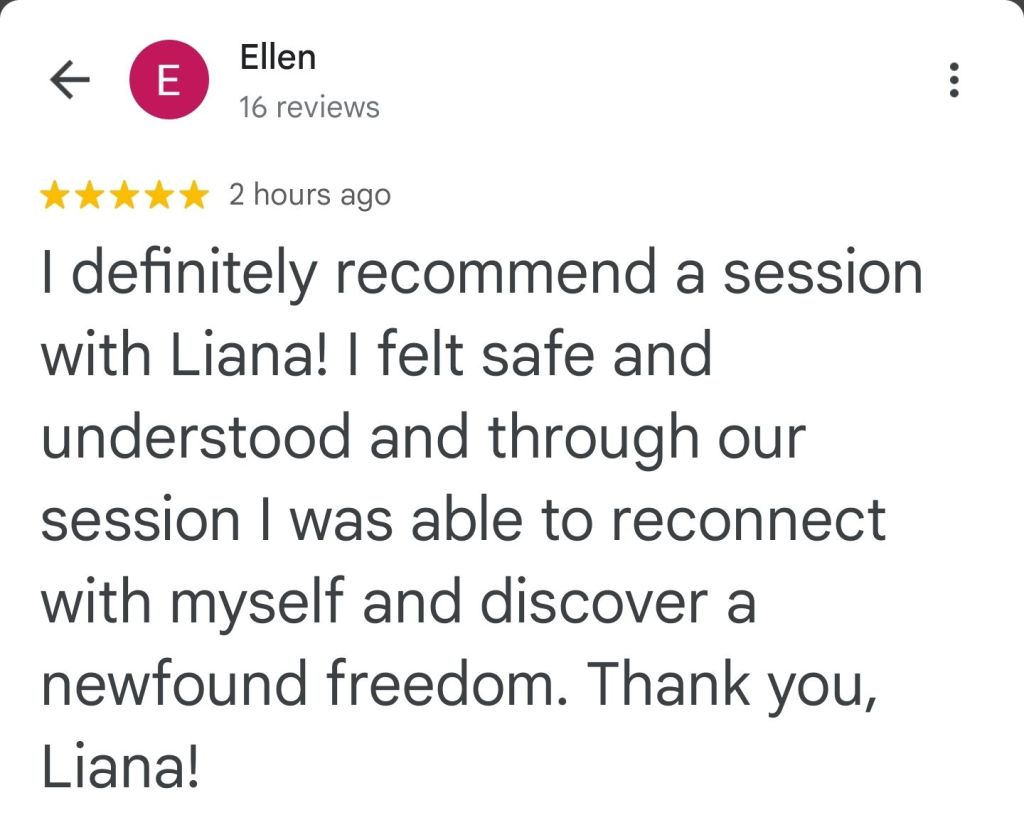
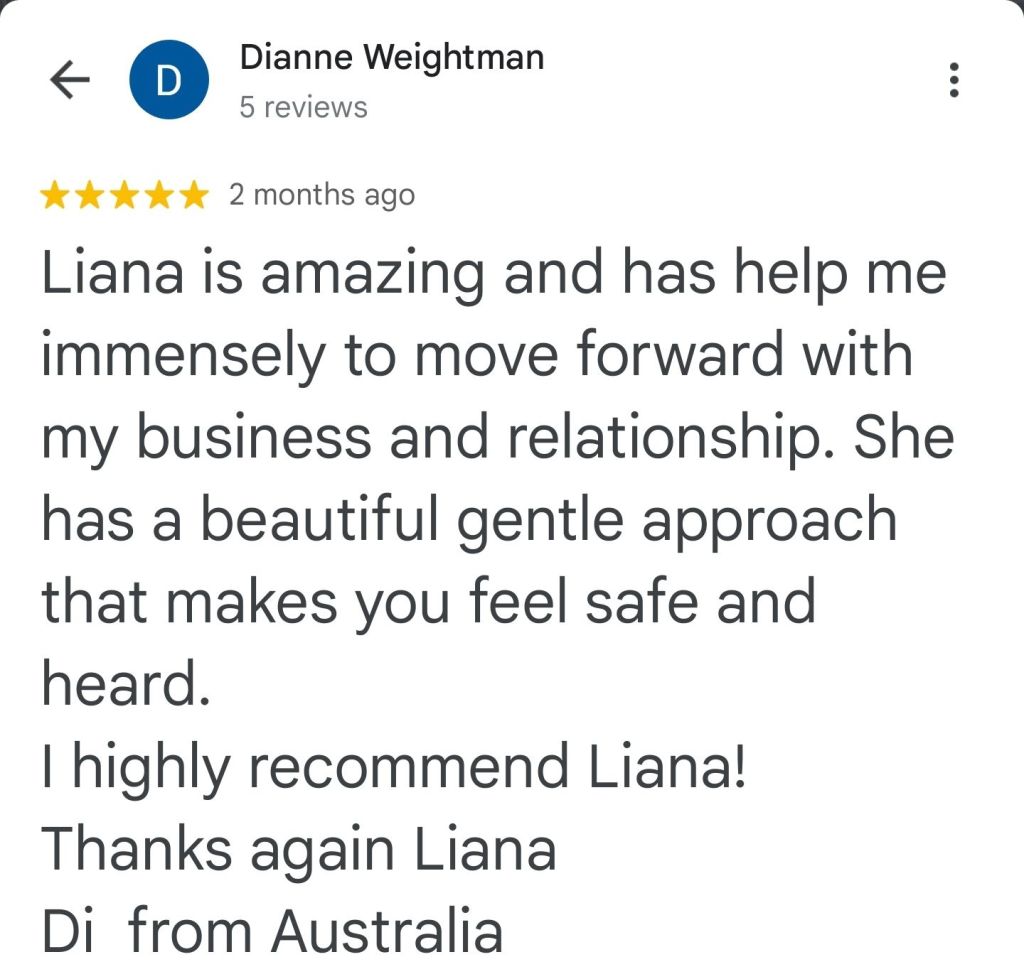
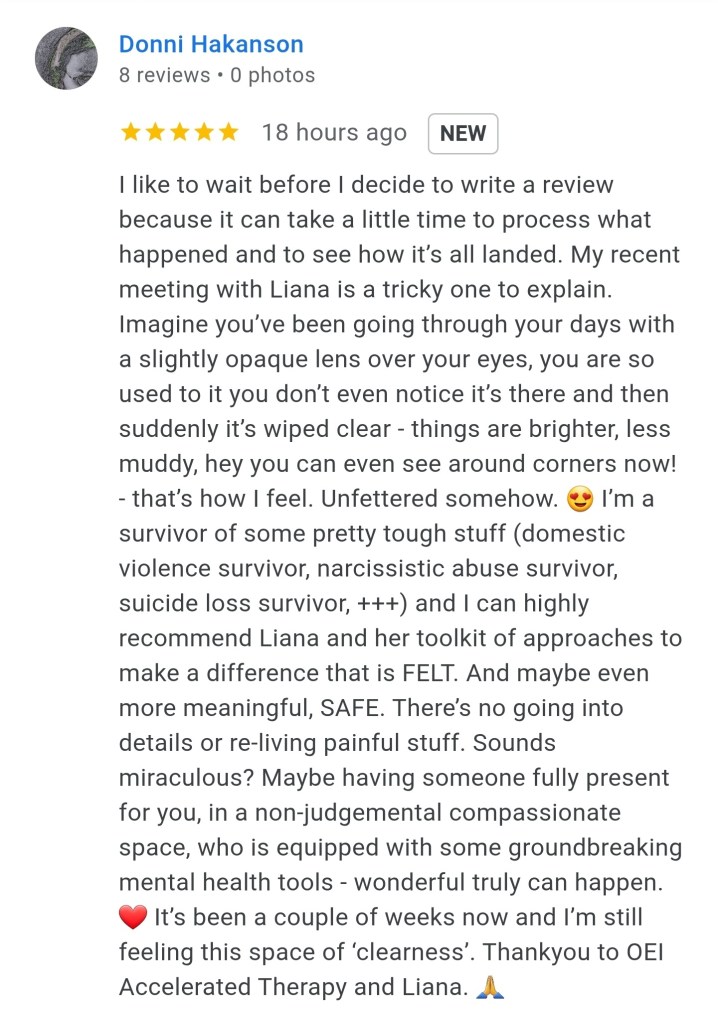
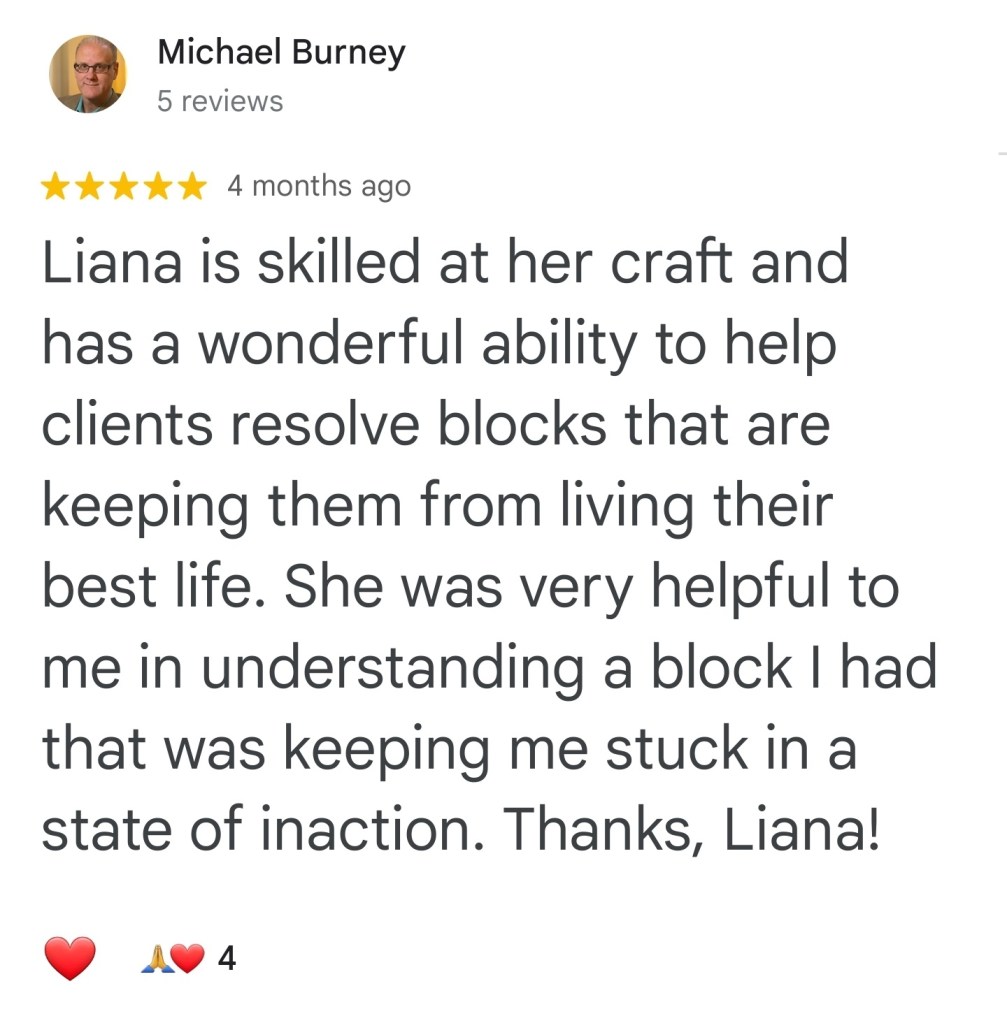
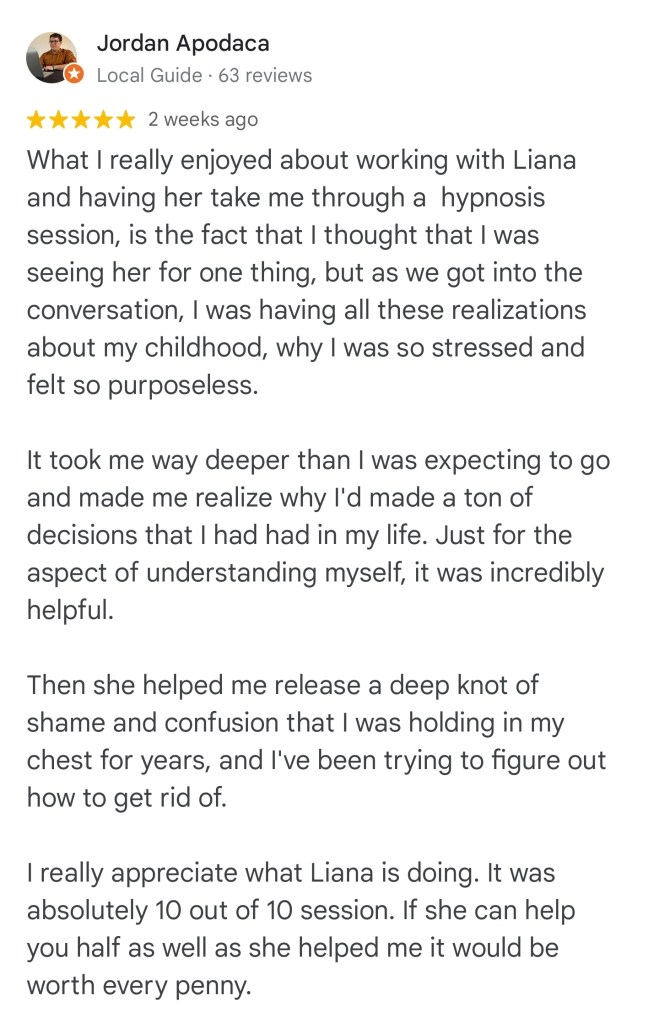
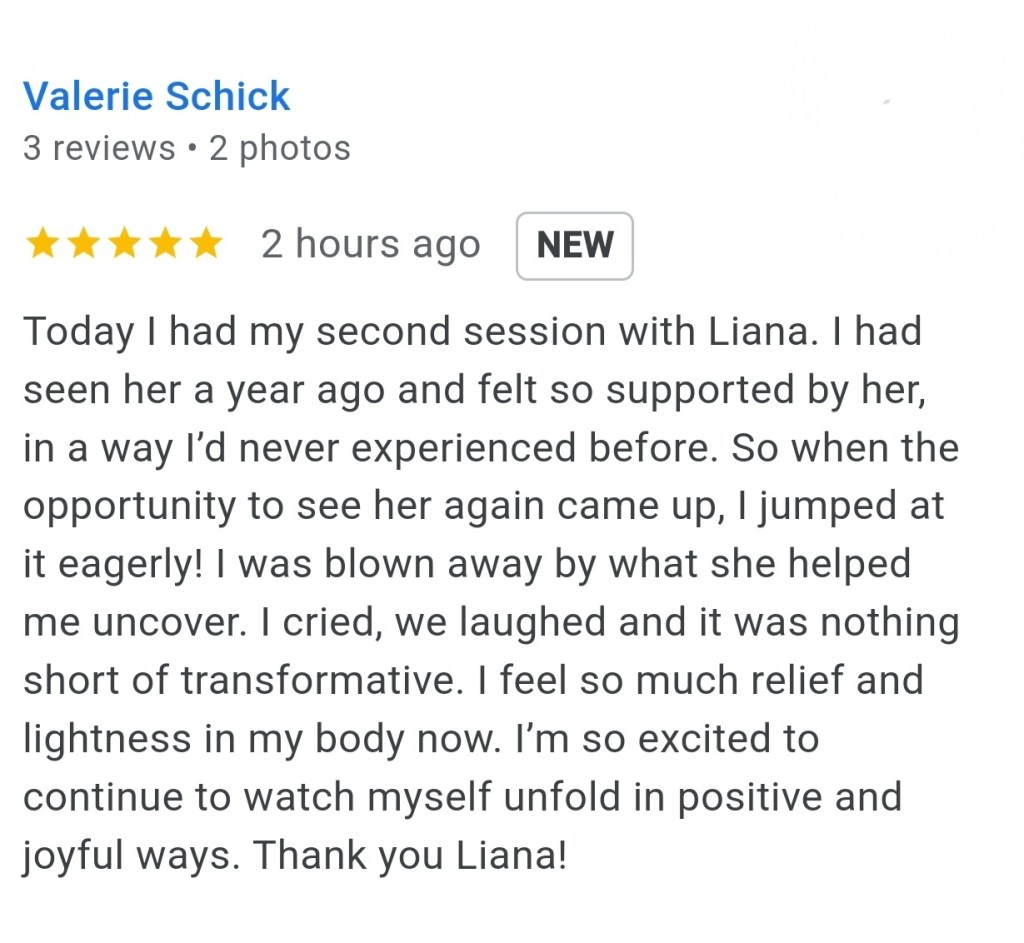
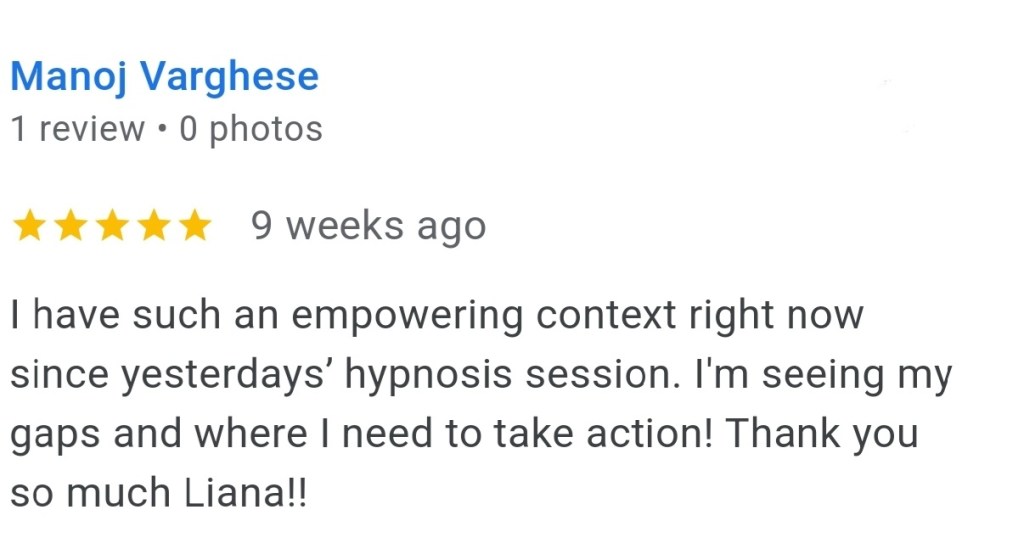
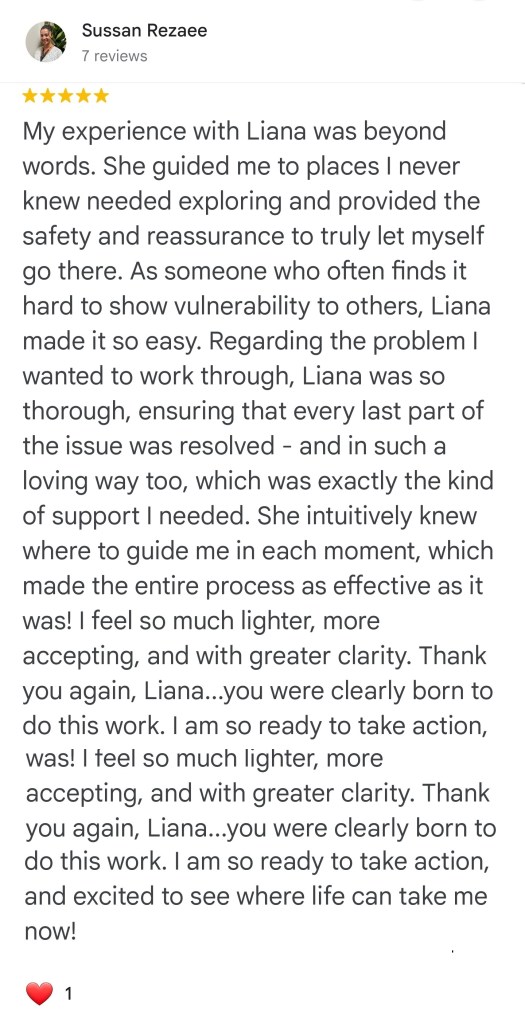
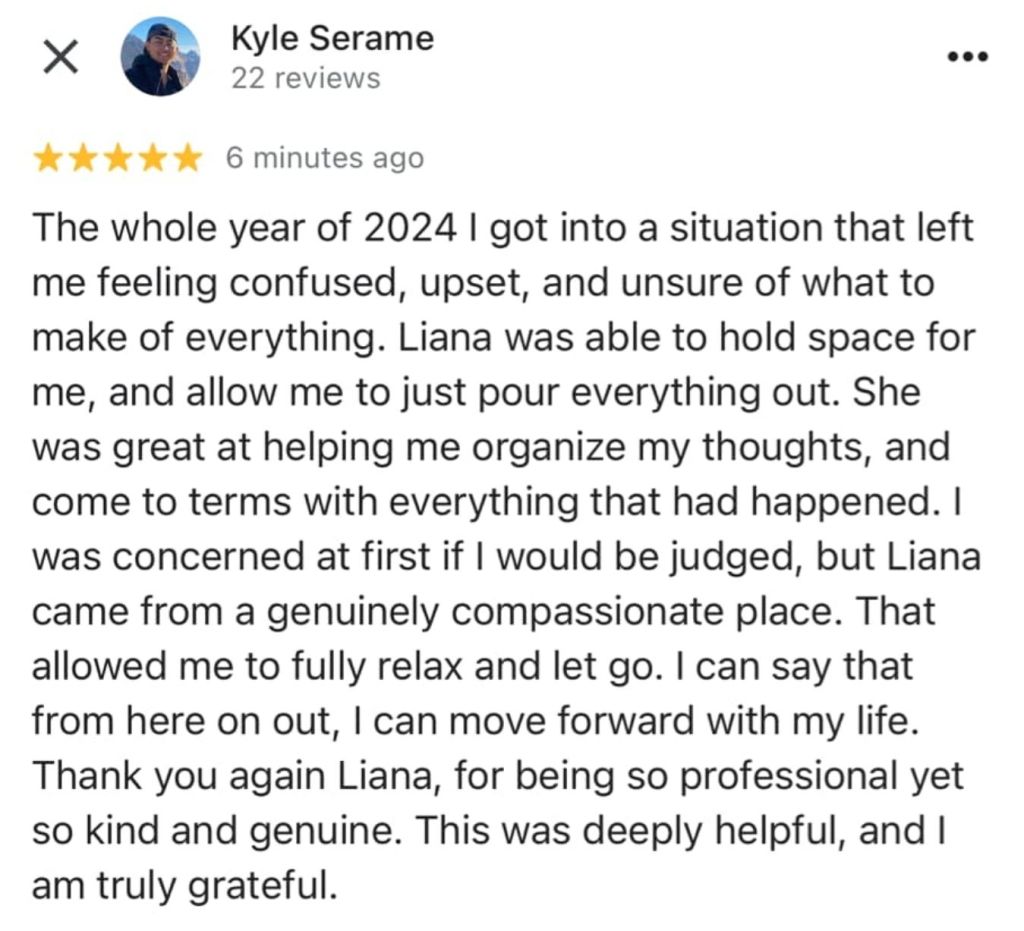
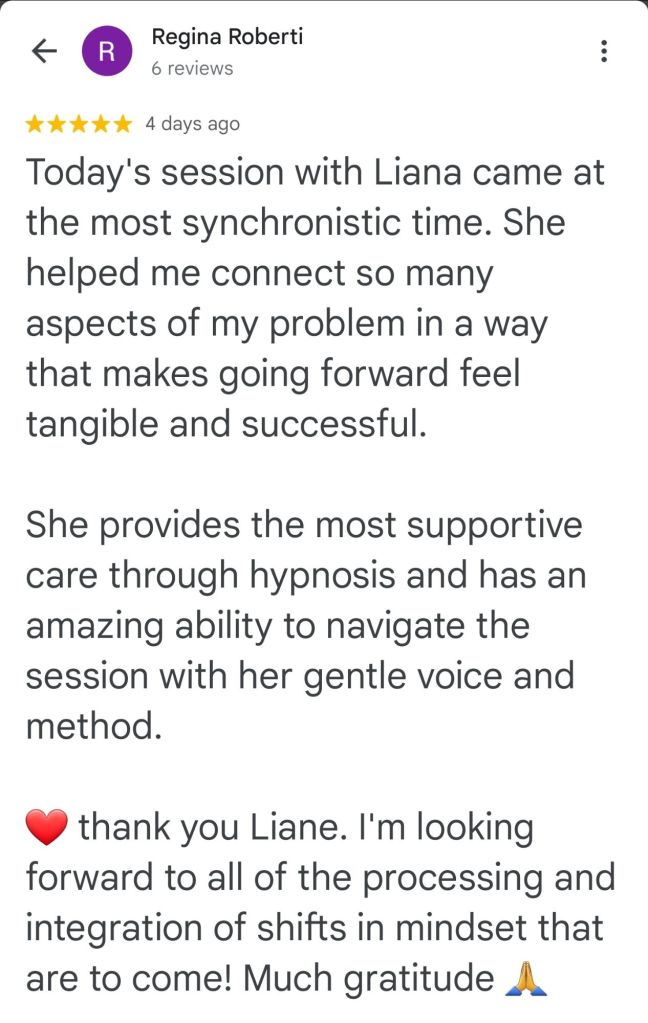
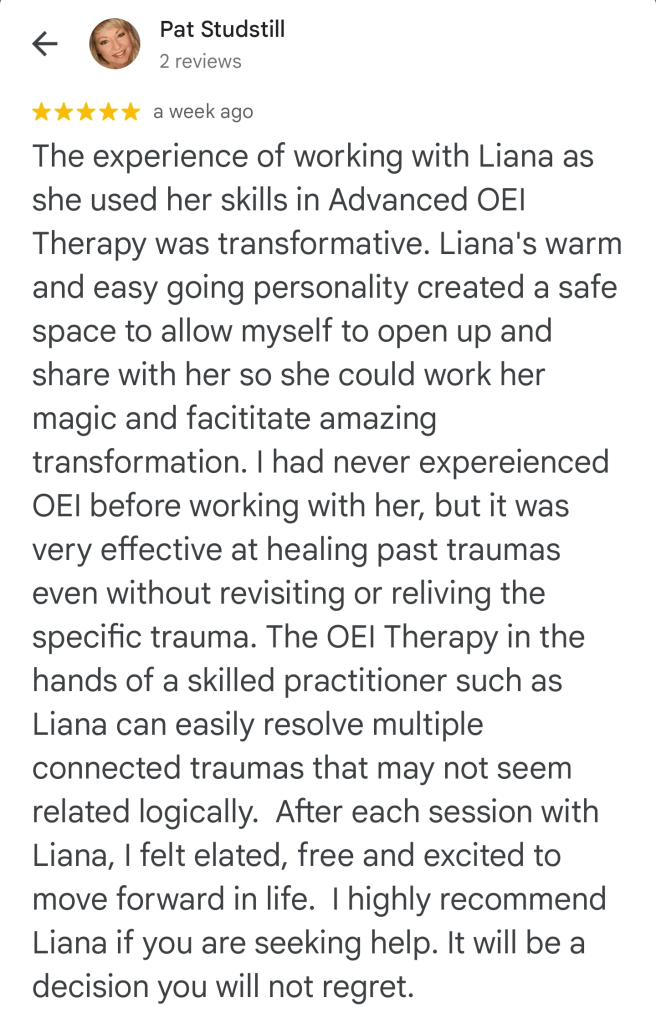
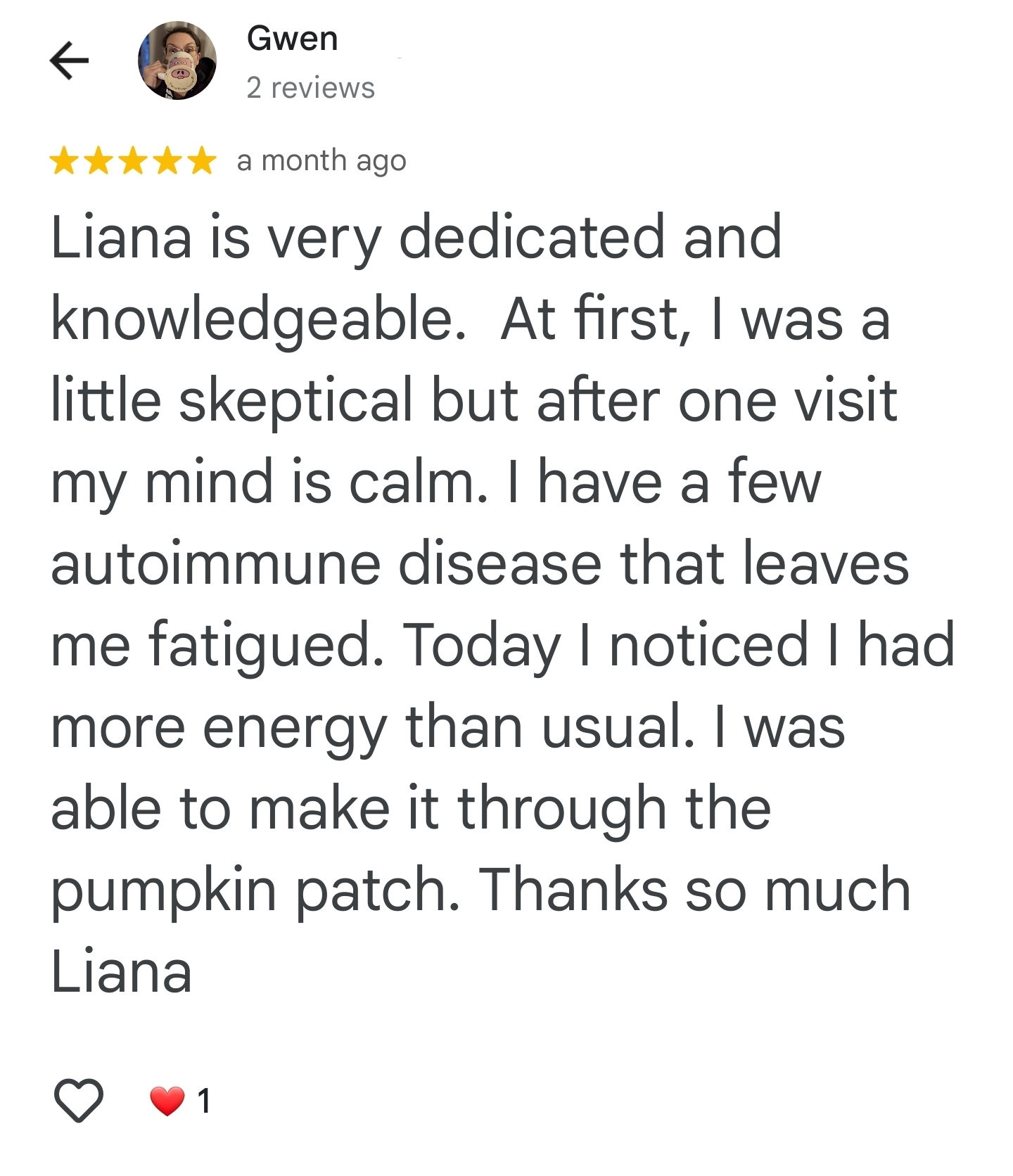
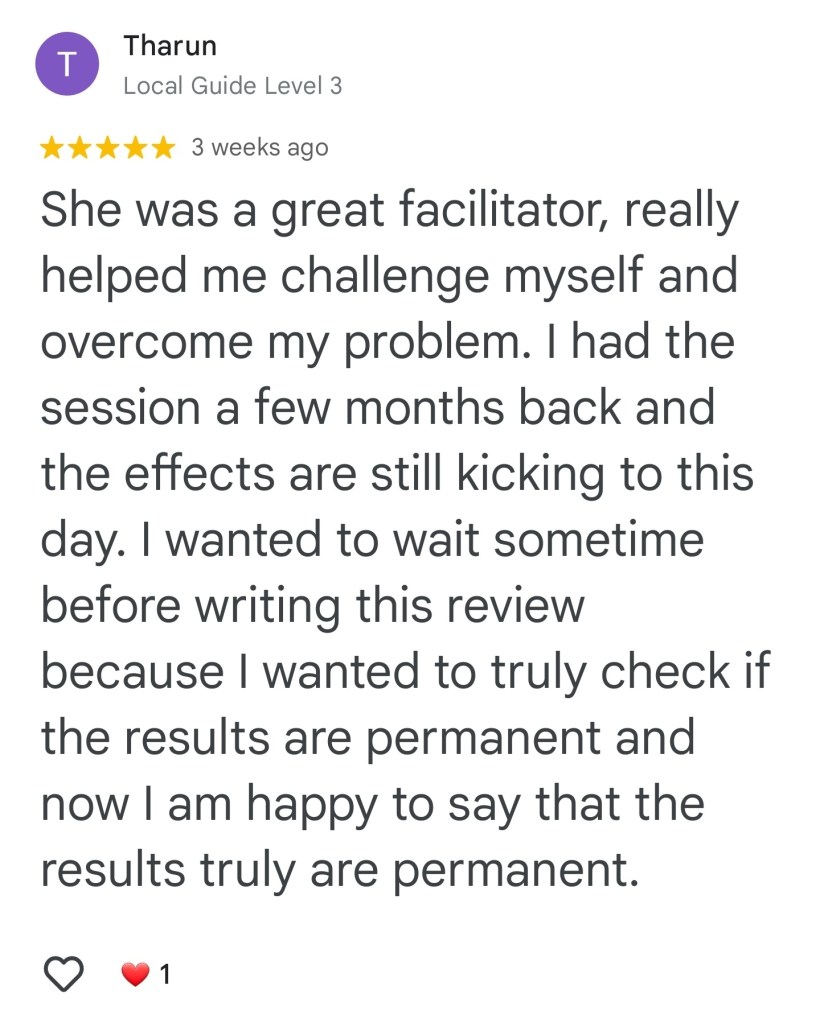
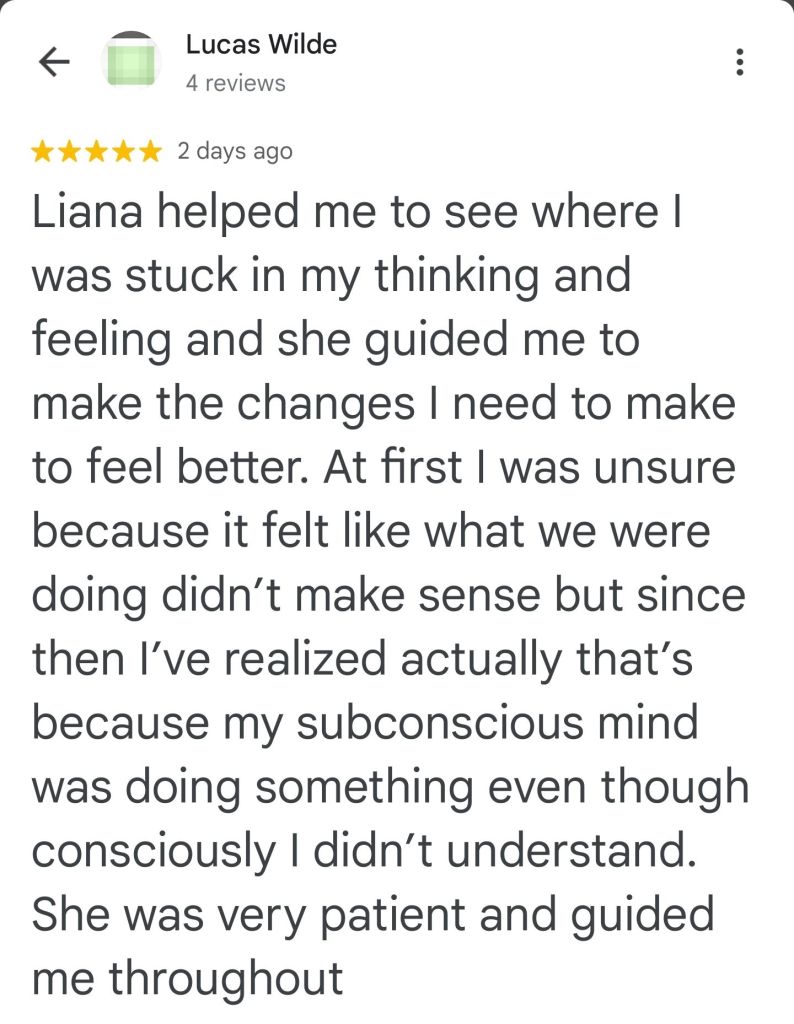
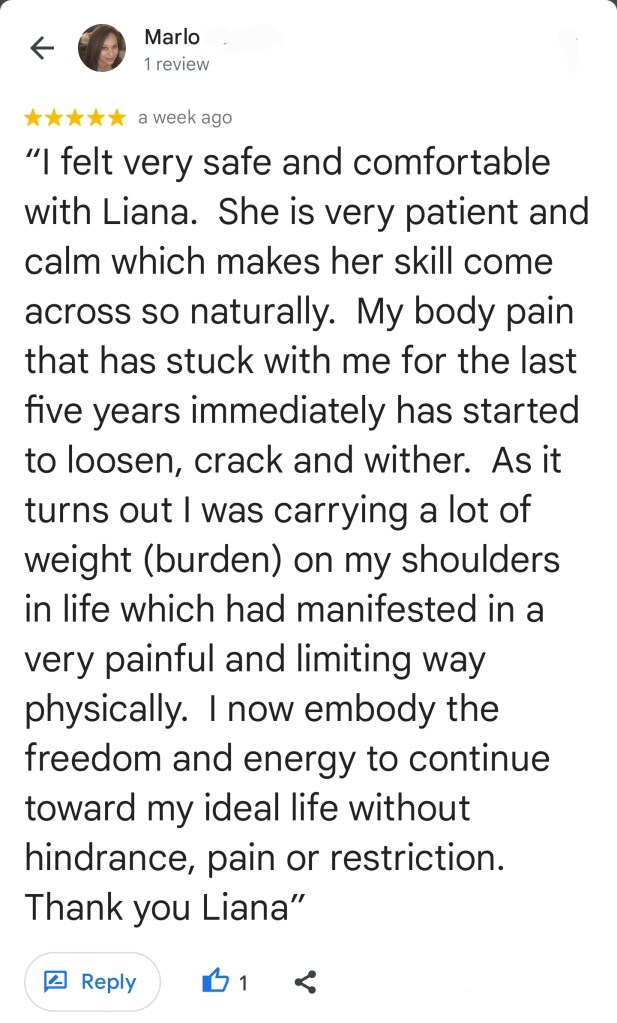
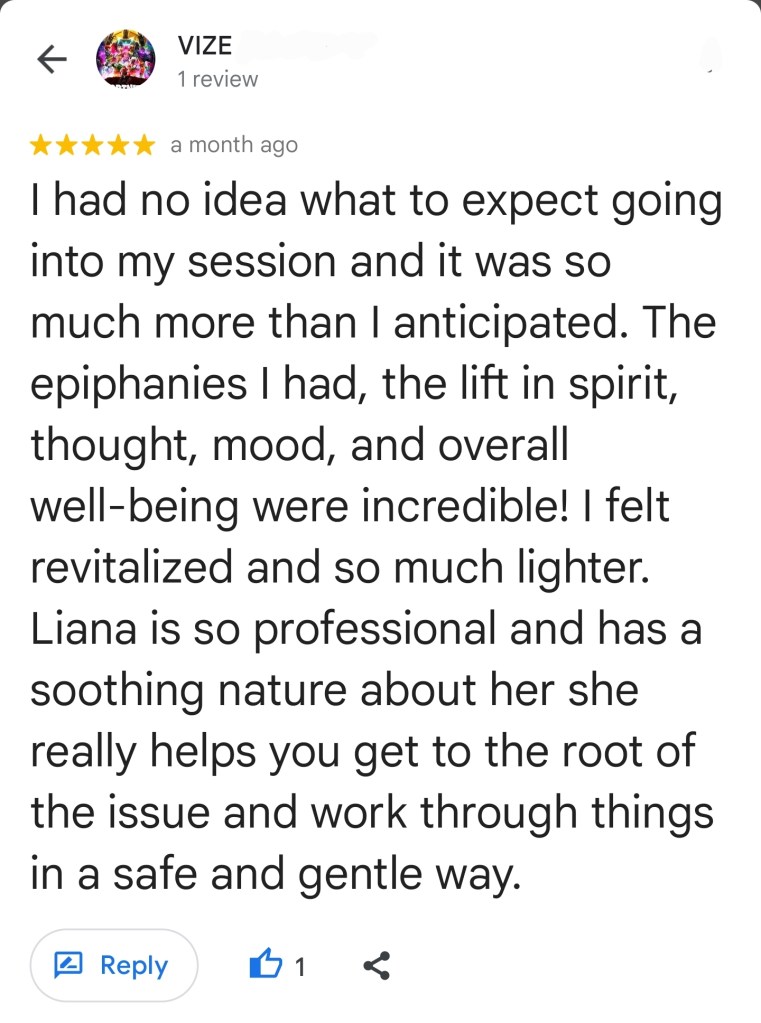
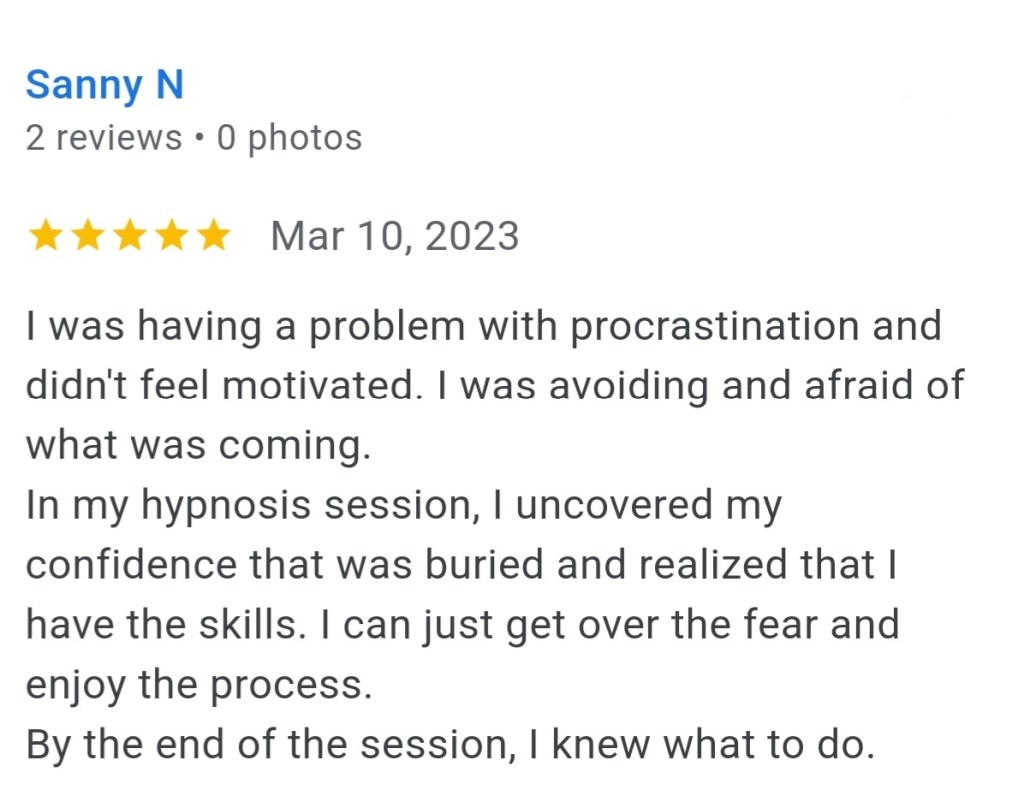
WHAT CLIENTS ARE SAYING
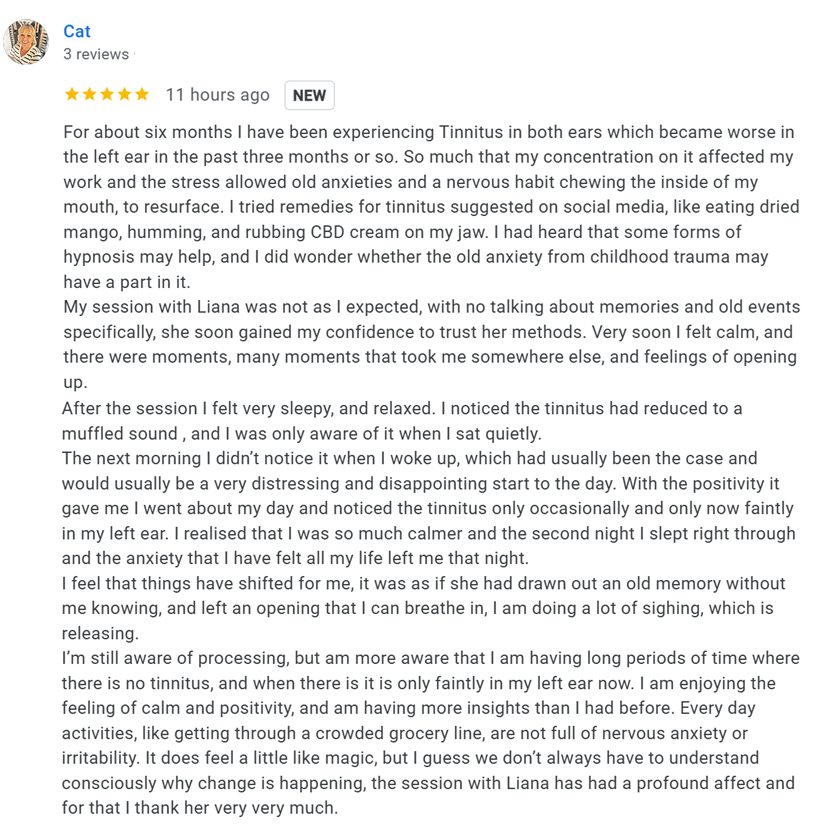
Read text version here































INDIVIDUAL & GROUP HYPNOTHERAPY
RAPID TRAUMA RECOVERY COURSES
 Accelerated Hypnotherapy - Rapid Results
Leave a comment