
Why Securely Attached Women Can Miss Betrayal Trauma Red Flags
A lot of women in betrayal trauma recovery blame themselves for “not seeing it sooner.”
Me included.
But here’s the thing.
Securely attached individuals tend to trust. They assume honesty. They don’t spend their lives scanning for danger, checking phones, interrogating inconsistencies, or trying to catch their partner in lies (like women who are high in attachment anxiety)
And in a healthy relationship, that’s actually normal.
Secure individuals have a sense of worthiness (lovability) plus an expectation that other people are generally accepting and responsive.
But when a securely attached partner ends up with someone deceptive, manipulative, or chronically dishonest, that trust can get exploited.
Sometimes the very traits that make someone emotionally healthy in relationships are the same traits that can make deception harder to detect in the beginning.
When I thought about it, my secure attachment style missed the red flags of betrayal.
Why secure attachment can make betrayal harder to spot
Secure attachment usually develops when someone has experienced enough emotional safety and consistency to believe relationships are generally stable and trustworthy.
Attachment anxiety actually helps anxious avoidants be more accurate in prediction and detection when someone is lying.
A securely attached partner often assumes that there’s probably a reasonable explanation, and then focuses on repair.
That means you might initially believe things like:
“Work ran late.”
“My phone died.”
“You’re overthinking this.”
“She’s my mentor.” (My ex used this one on me to downplay and minimize)
“I’ve just been stressed lately.”
It’s not because you’re naïve.
It’s not because you’re weak.
But because your nervous system is not stuck in chronic hypervigilance.
A totally different way of being.
But ironically, that can delay recognition of betrayal trauma.
The neuroscience of betrayal trauma and hypervigilance
Individuals with anxious attachment or unresolved trauma are often highly tuned into potential threat cues, constantly thinking that something is bad is going to happen, always on guard, always checking.
Their brains scan for inconsistency, subtle shifts, withdrawal, secrecy, changes in tone, or subtle behavioral differences.
Sometimes this creates false alarms and can make you feel a different kinda crazy, even though it also means that sometimes they can detect deception faster.
Secure attachment expectations
Securely attached individuals usually aren’t operating from hypervigilance. Their brains are not constantly searching for danger signals because their baseline expectation is safety, not betrayal.
Research on attachment and deception suggests securely attached individuals may actually show lower suspicion and reduced focus on deceit cues compared to highly anxious individuals.
That doesn’t mean secure individuals are bad at relationships.
It means their nervous systems are optimized for connection, not surveillance.
Secure attachments is linked to positive image of the others, so you see other people as trustworthy and available.
How cheaters exploit emotionally healthy partners
Just a quick note moving forward so you can move forward.
Cheaters often rely on one thing:
Benefit of the doubt.
And securely attached partners naturally give it.
That trust can create the perfect environment for deception to continue unnoticed longer than it otherwise might.
Cheaters may exploit secure attachment:
- High baseline trust
- Secure partners tend to believe explanations unless there’s a consistent pattern of dishonesty.
- Lower hypervigilance
- Because they are not constantly scanning for danger, they may miss early weak signals that something is off.
- Focus on repair and communication
Secure individuals often try to solve problems through conversation, emotional openness, and relationship instead of immediately assuming betrayal.
And unfortunately, chronic deceivers can use that openness to delay accountability.
Why betrayal trauma hits secure women so hard
When securely attached women discover betrayal, the shock can feel like a house on fire (or more accurately, brain on fire).
Because it’s not just the relationship that breaks.
Their entire internal sense of safety gets shattered.
The nervous system suddenly realizes that the person I trusted most was unsafe. This is how betrayal become trauma.
That creates a massive conflict inside the brain.
And this is why betrayal trauma symptoms can become so intense:
- obsessive thinking
- panic
- nervous system dysregulation
- hypervigilance
- inability to trust intuition
- sleep disruption
- emotional flooding
- difficulty concentrating
- checking behaviors
- intrusive thoughts
The brain is trying to rebuild a sense of reality after prolonged deception.
After a while, just like a wildfire, betrayal starts to take over other areas of life, so you lose interest in hobbies and friends, you’re so overwhelmed, it’s hard to do basic things, and eventually, it starts to affect your ability to work, your career, your money, your safety and security.
And for securely attached individuals, that collapse of safety can feel especially devastating because trust was once their default setting.
Do securely attached people stay after infidelity?
Sometimes.
But often not for long without real accountability.
Here’s the good news:
Research consistently shows secure attachment is associated with stronger boundaries, healthier self-worth, and lower tolerance for chronic deception.
Secure individuals may initially try to repair the relationship if:
- the cheating partner takes genuine responsibility
- there is transparency going forward
- consistent behavioral change occurs over time
- emotional safety begins rebuilding
But if deception continues, securely attached partners are often more likely to leave than stay trapped in endless cycles of lies, minimization, gaslighting, and repeated betrayal.
Healthy trust versus denial in betrayal trauma recovery
One of the hardest parts of betrayal trauma healing is learning that being trusting was not the problem.
The problem was being paired with someone who took advantage of the secure attachment and trust.
There’s a huge difference between healthy trust and denial.
Healthy trust says:
“I believe you because your actions consistently match your words.”
Denial says:
“I keep overriding my own nervous system, intuition, and senses to preserve the relationship.”
Healing after betrayal trauma often means rebuilding the ability to trust yourself first.
Without becoming paranoid, emotionally shut down, numbing out, or staying hypervigilant forever.
But learning how to recognize when your nervous system, intuition, and boundaries are telling you that something is wrong.
Because secure attachment should never require abandoning yourself to maintain connection.
So don’t go changing just listen to yourself over someone else trying to gaslight you to cover their ass.
Let’s connect on the next one 🙂
Listen, are you breathing just a little and calling it a life?
-MO
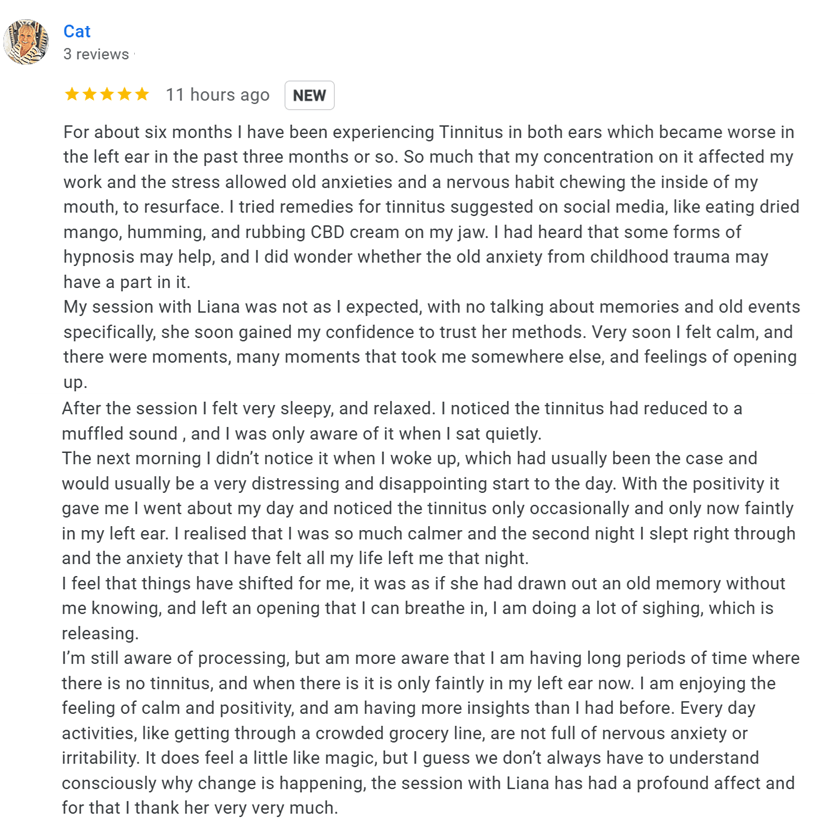
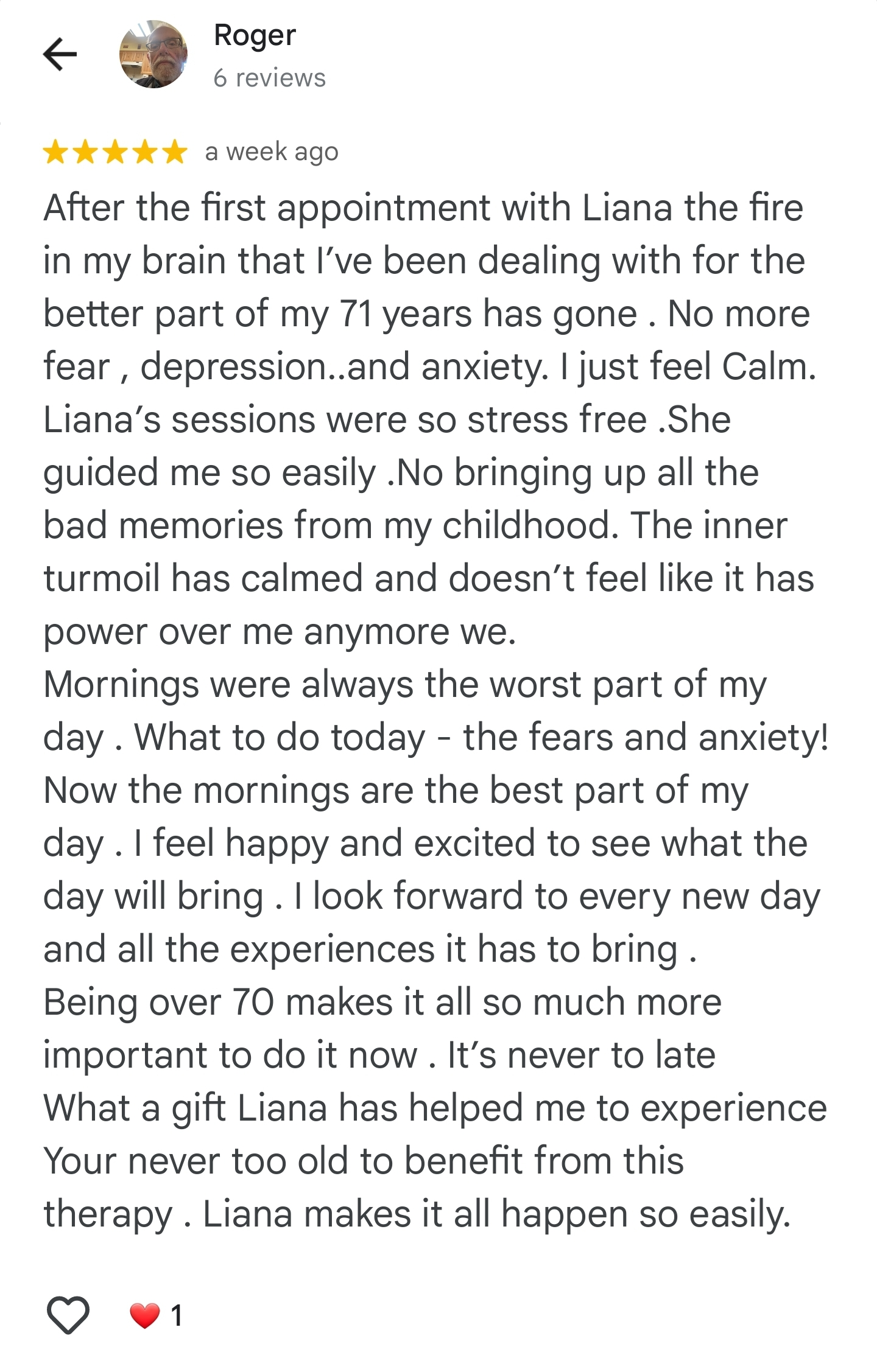
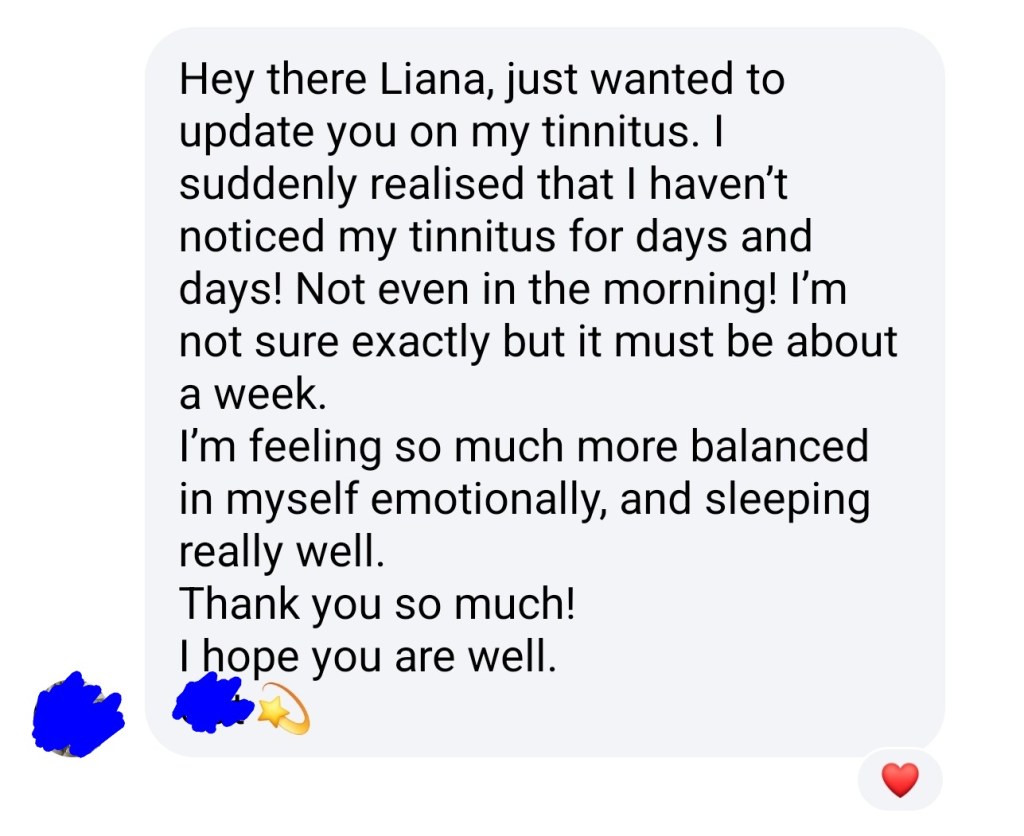
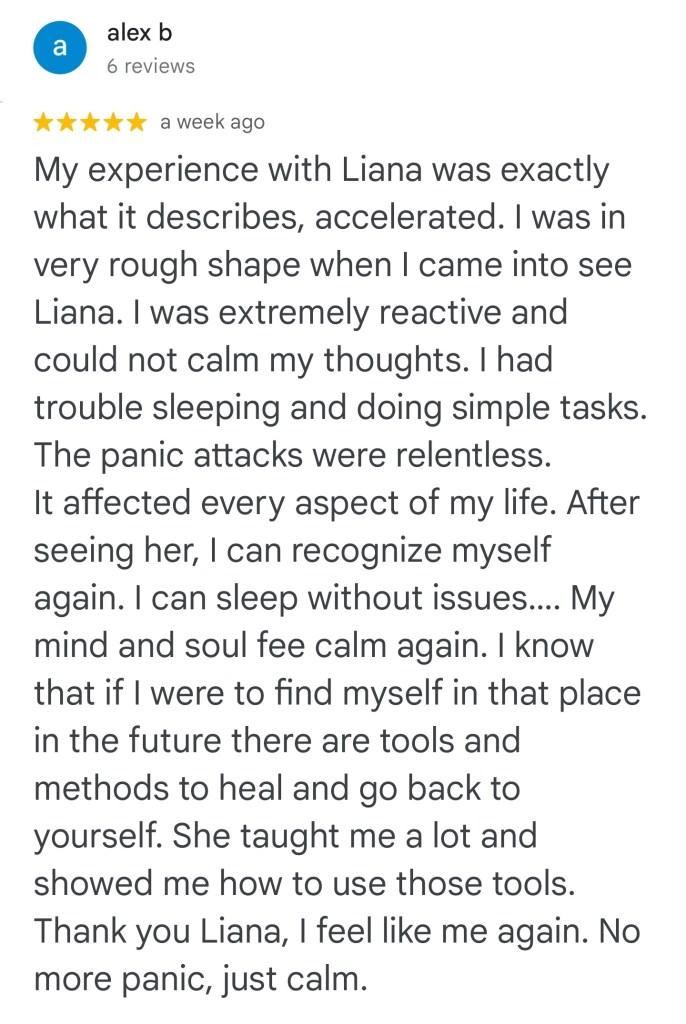
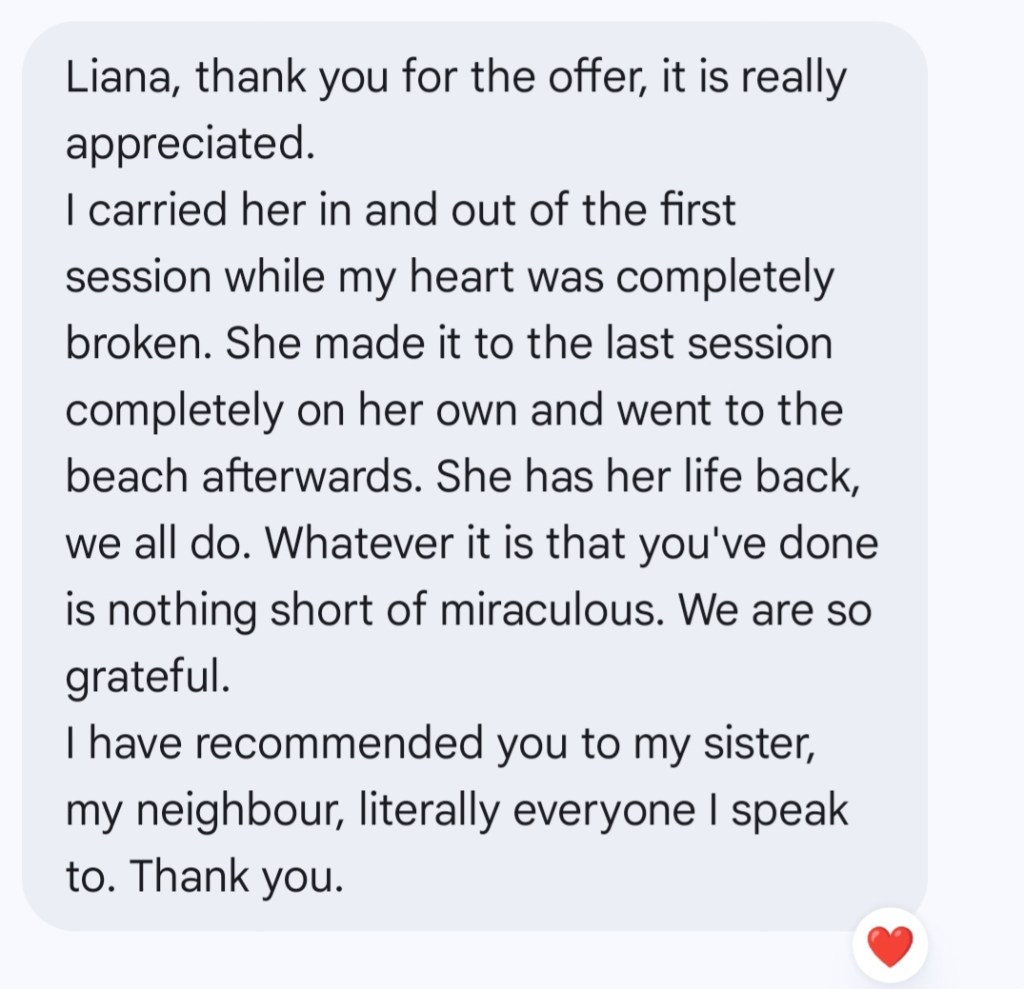
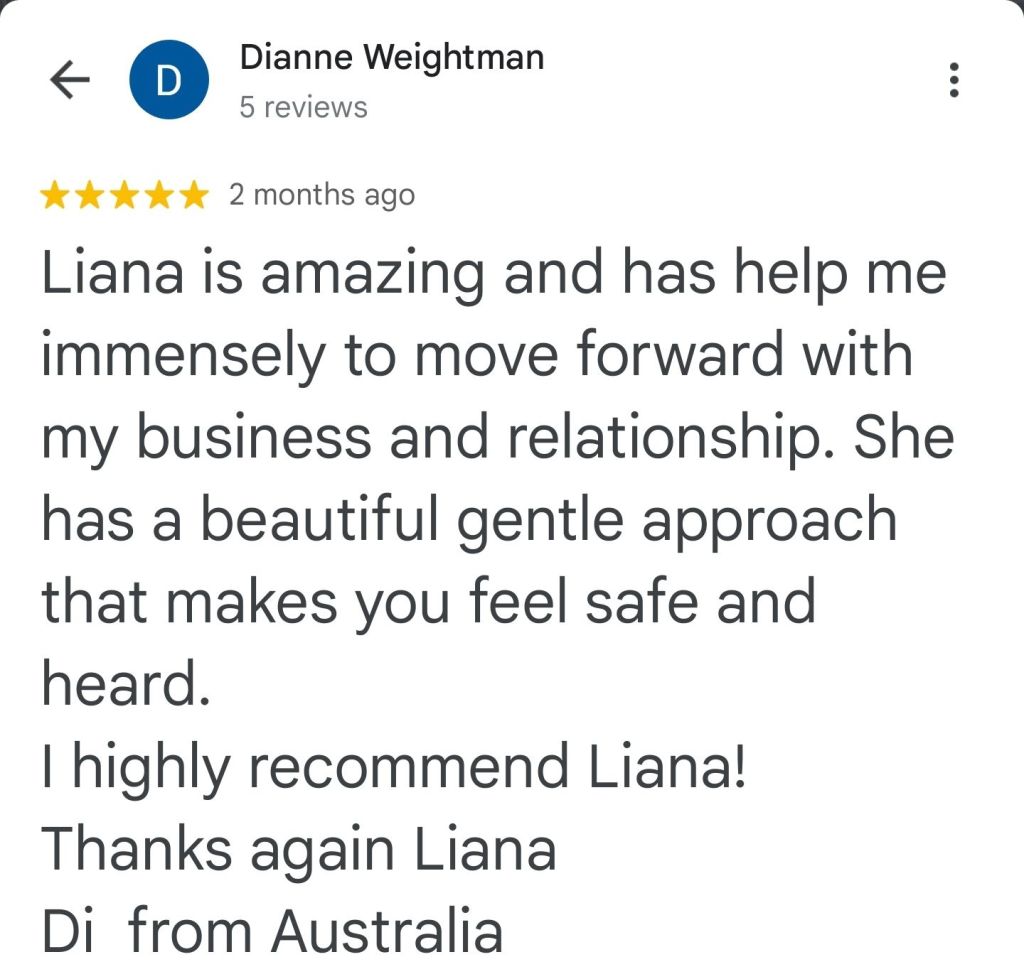
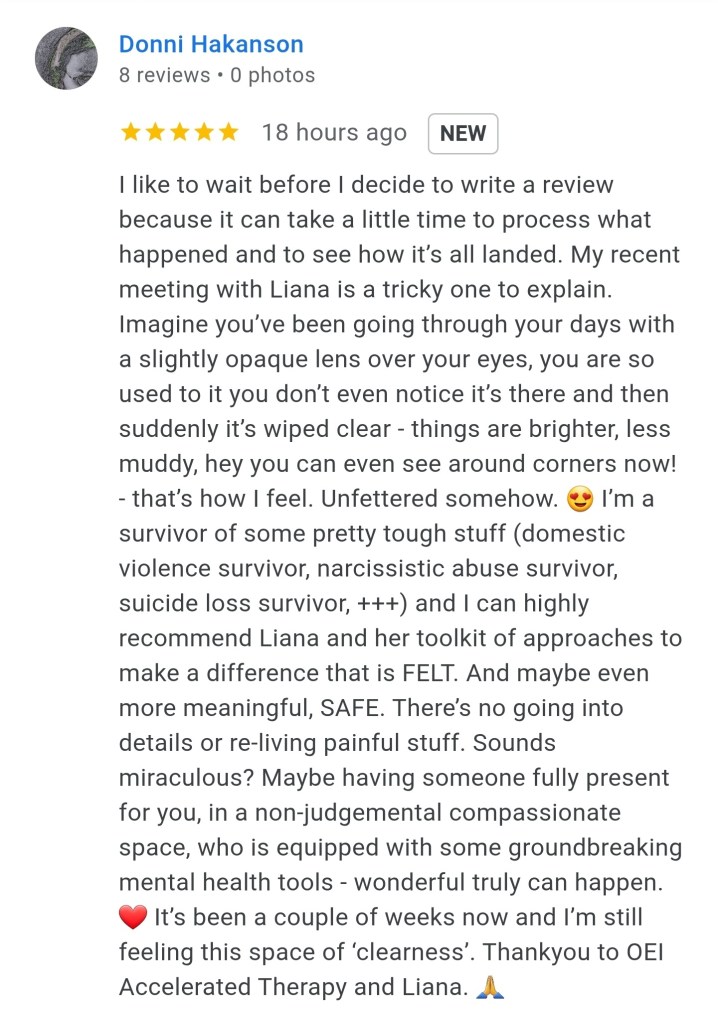
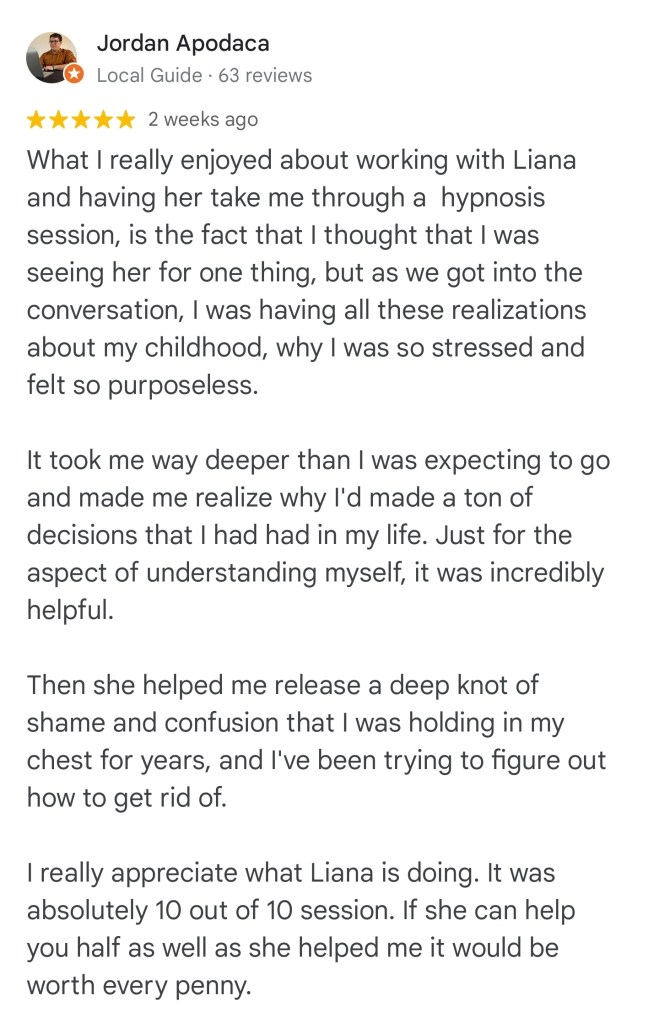
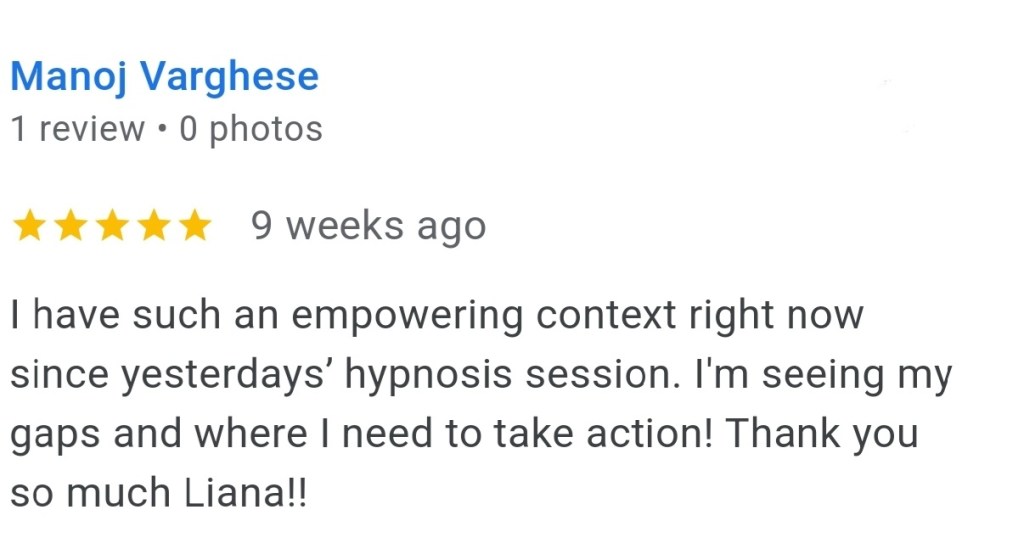
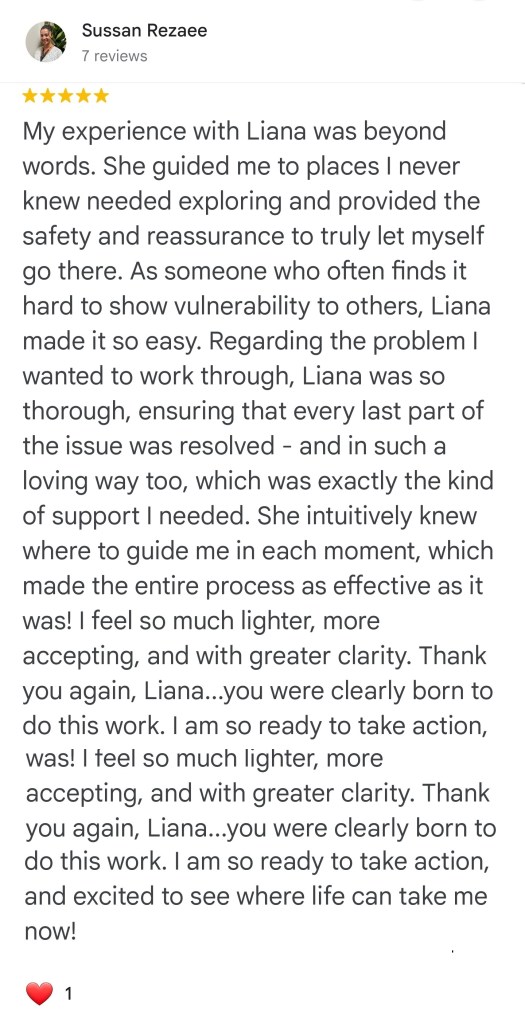
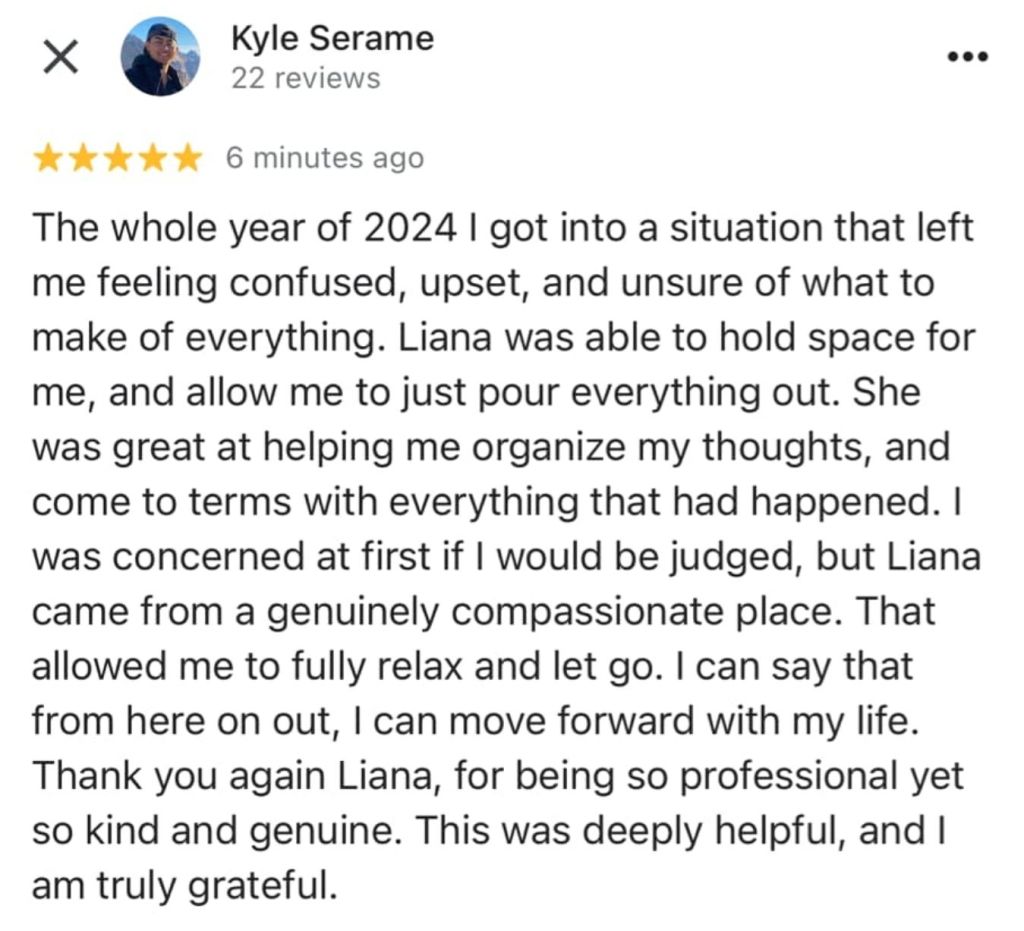
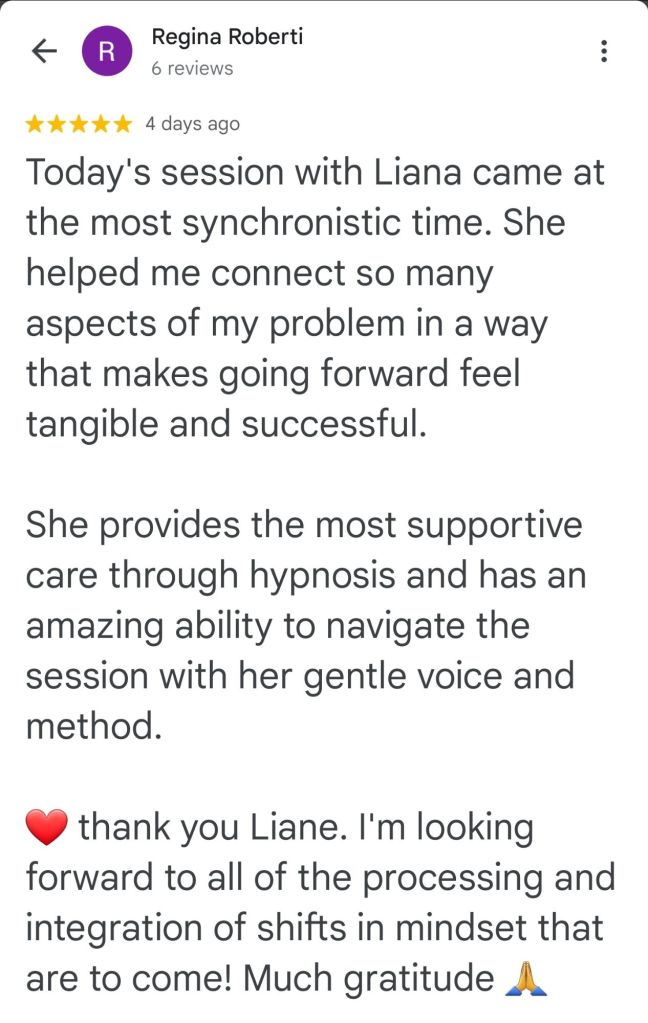
What Clients are Saying
Read text version here



































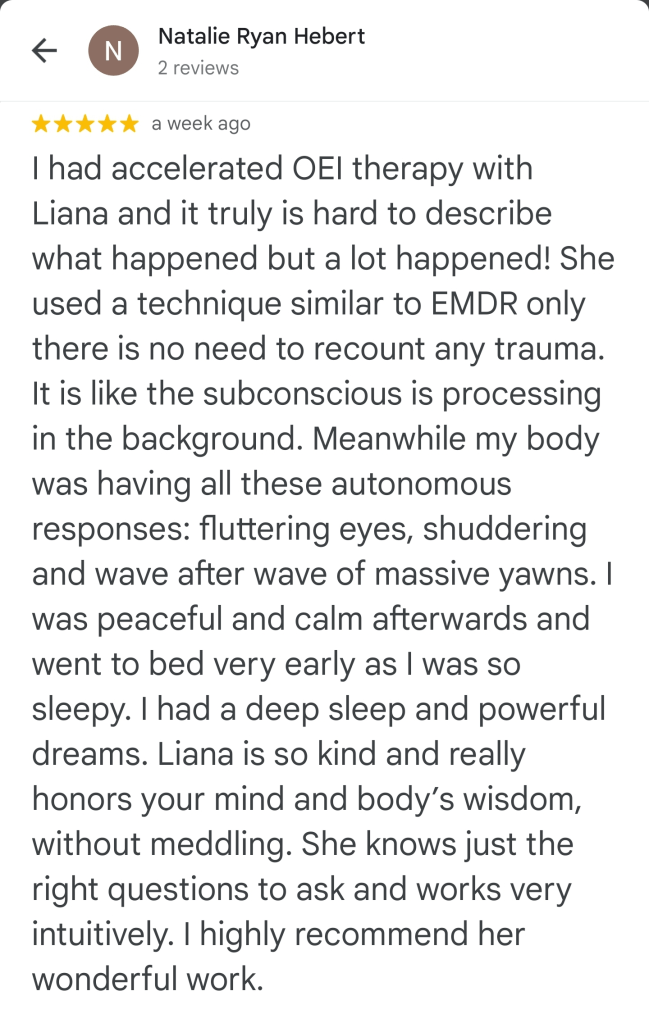
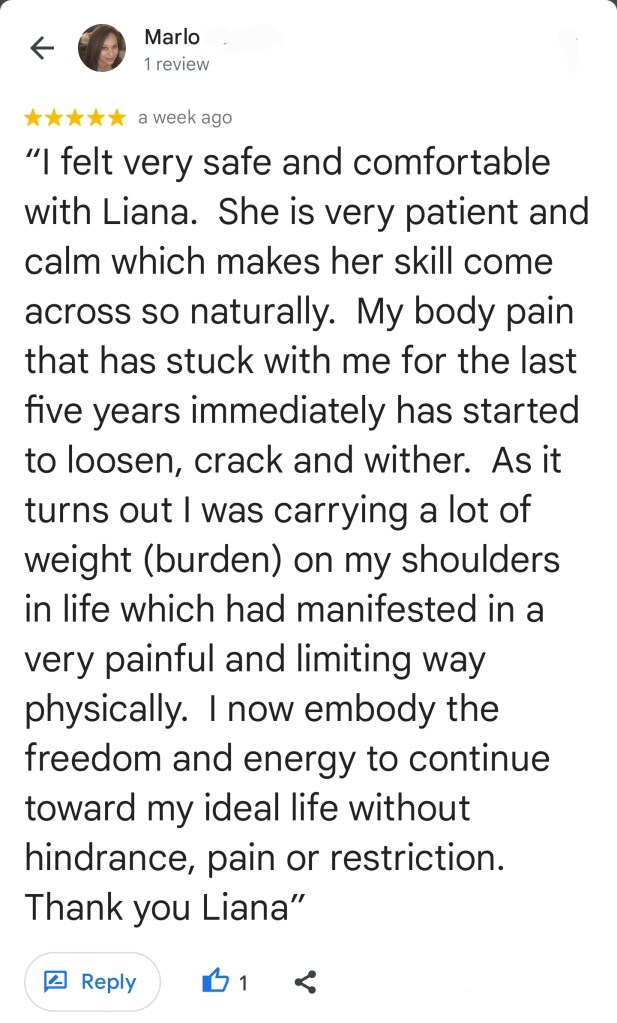
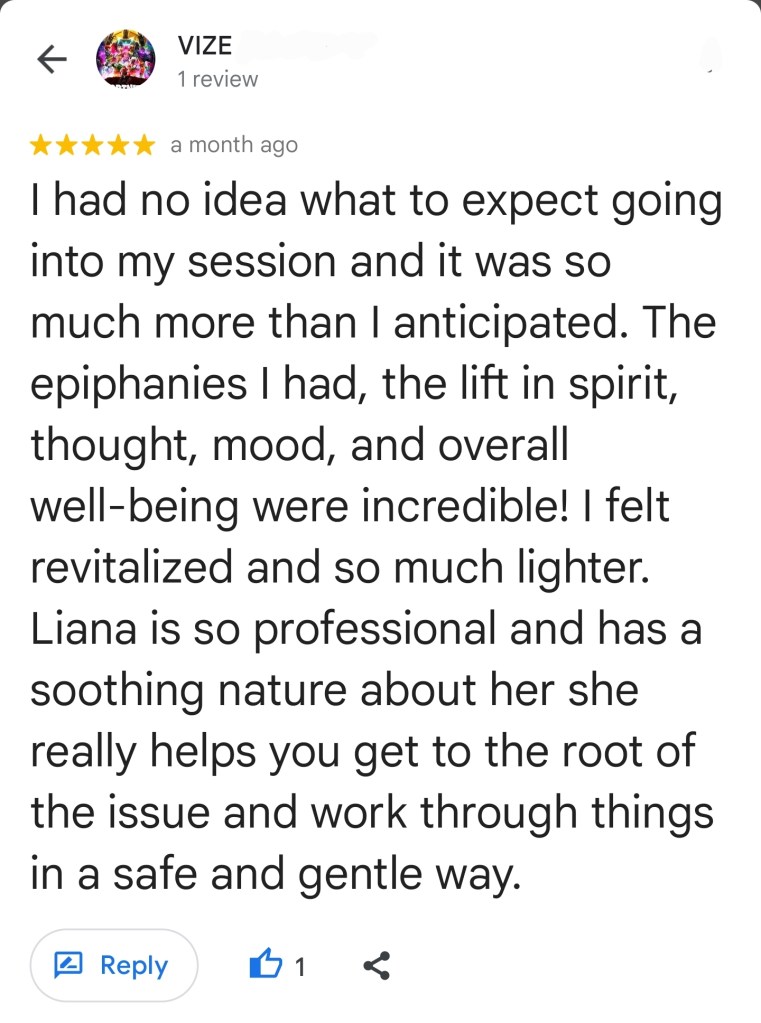




 Accelerated Hypnotherapy - Rapid Results
Leave a comment