
Why You Stop Trusting Yourself: How gaslighting and infidelity create betrayal trauma
Discovering infidelity is painful enough.
But for many women who have experienced betrayal, the affair itself is wasn’t the only thing that made them doubt themselves and allowed the infidelity to go on.
It’s being told that what they saw, felt, and suspected wasn’t real.
Many clients report hearing things like:
“You’re imagining things.”
“You’re paranoid.”
“You’re overreacting.”
“You’re crazy.”
Over time, these statements can cause individuals to doubt their own perceptions. This is where gaslighting and betrayal trauma often intersect.
The betrayal isn’t just the affair.
The betrayal is also being disconnected from your own reality and the trust that was lost, in the cheater.
But mostly the trust that was lost in yourself.
What is gaslighting in a relationship?
Gaslighting is a form of psychological manipulation that causes an individual to question their memory, feelings, instincts, or perception of events.
In relationships affected by infidelity, gaslighting often happens before discovery.
The unfaithful partner may deny obvious evidence, minimize concerns, or create alternative explanations for suspicious behavior.
The goal may not always be intentional manipulation. Sometimes individuals lie to avoid consequences, shame, or conflict.
But regardless of intent, the impact can be devastating.
The betrayed partner begins trusting the explanations more than their own observations.
Signs of gaslighting to hide infidelity
Many of my clients describe similar experiences.
- You notice inconsistencies.
- You feel something is wrong.
- You ask questions.
Then the focus shifts away from the suspicious behavior and onto you.
- Common signs include:
- Being told you’re overreacting
- Having your concerns dismissed
- Being accused of being controlling or insecure
- Feeling confused after conversations
- Questioning your memory of events
- Apologizing for things that weren’t your fault
- Feeling responsible for your partner’s deception
When this pattern repeats, your confidence in your own judgment starts to wear down.
Why betrayal trauma feels so overwhelming
Here’s the thing.
Your brain is designed to keep you safe.
When your observations repeatedly conflict with what you’re being told, your brain gets trapped in a state of uncertainty.
Part of you sees the evidence.
Part of you is being told not to trust what you see.
The brain struggles to reconcile these two realities.
From a neuroscience perspective, this creates a form of cognitive dissonance in the part of the brain responsible for conflict monitoring (anterior cingulate cortex).
At the same time, it detects threat (in the amygdala), increasing emotional intensity and fear responses.
Chronic gaslighting can dysregulate the part of the brain that plays a key role in memory processing (hippocampus), making individuals feel unsure about what actually happened.
This creates chronic stress, anxiety, hypervigilance, and emotional overwhelm.
Additionally, the part of the brain that supports rational thinking and decision-making (prefrontal cortex), can become less effective under prolonged stress.
This means even when something feels “off,” the ability to confidently interpret and act on that signal becomes impaired.
Your brain and body have shifted into survival mode, prioritizing safety over clarity, which reinforces self-doubt.
Many individuals think they’re losing control.
They’re not.
Their nervous system is trying to make sense of conflicting information.
How gaslighting damages self-trust
One of the biggest injuries caused by gaslighting is the loss of self-trust.
You stop listening to your intuition.
You second-guess your decisions.
You question your emotions.
You look outside yourself for answers because you’re starting to learn how to not to trust your own internal signals and ignore your intuition.
Neurologically, this reflects a breakdown of your brain’s ability to accurately read internal states.
When external information is repeatedly prioritized over internal experience, your brain begins to prioritize external validation over internal cues, weakening intuitive decision-making over time, causing you to lose trust in yourself.
For many betrayal trauma survivors, rebuilding self-trust becomes one of the most important parts of healing.
How to heal from gaslighting and betrayal trauma
Recovery begins when you stop ignoring your own experience.
That doesn’t mean every thought is accurate.
It means your feelings, observations, and concerns are valid and deserve attention.
Healing involves reconnecting with yourself.
Learning to trust your instincts again.
Learning to recognize manipulation.
Learning that healthy relationships make room for questions, concerns, and honest conversations.
Your questions deserve real answers.
When I work with clients, they reconnect with their intuition and their sense of self.
The goal isn’t simply recovering from infidelity.
The goal is rebuilding confidence in your own reality.
Because when trust has been broken, the most important relationship to repair may be the one you have with yourself.
Let’s connect.
Listen, are you breathing just a little and calling it a life?
-MO
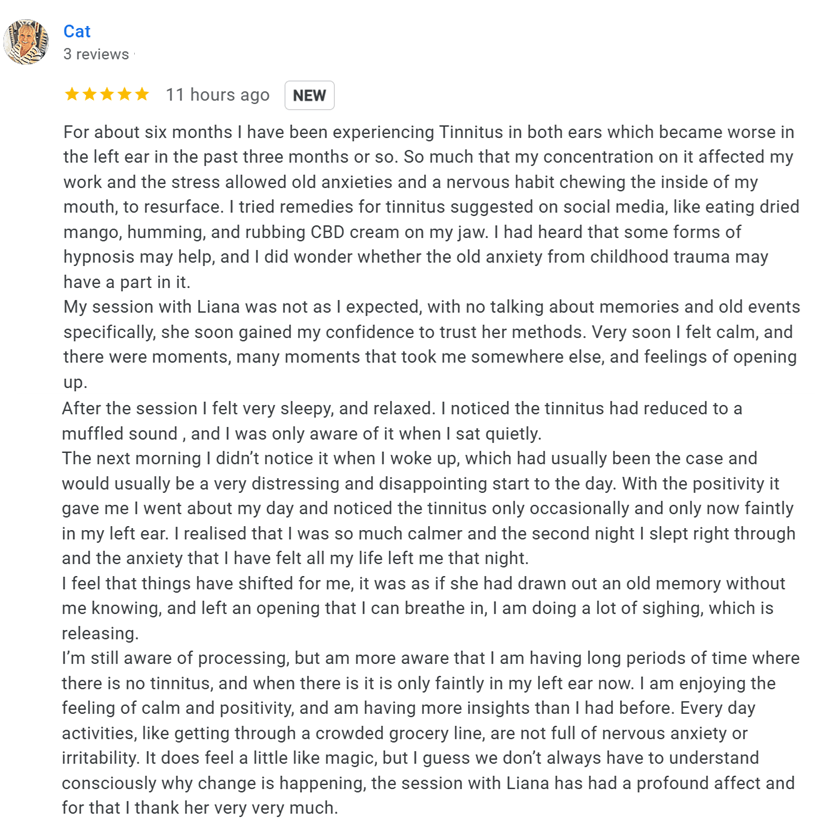
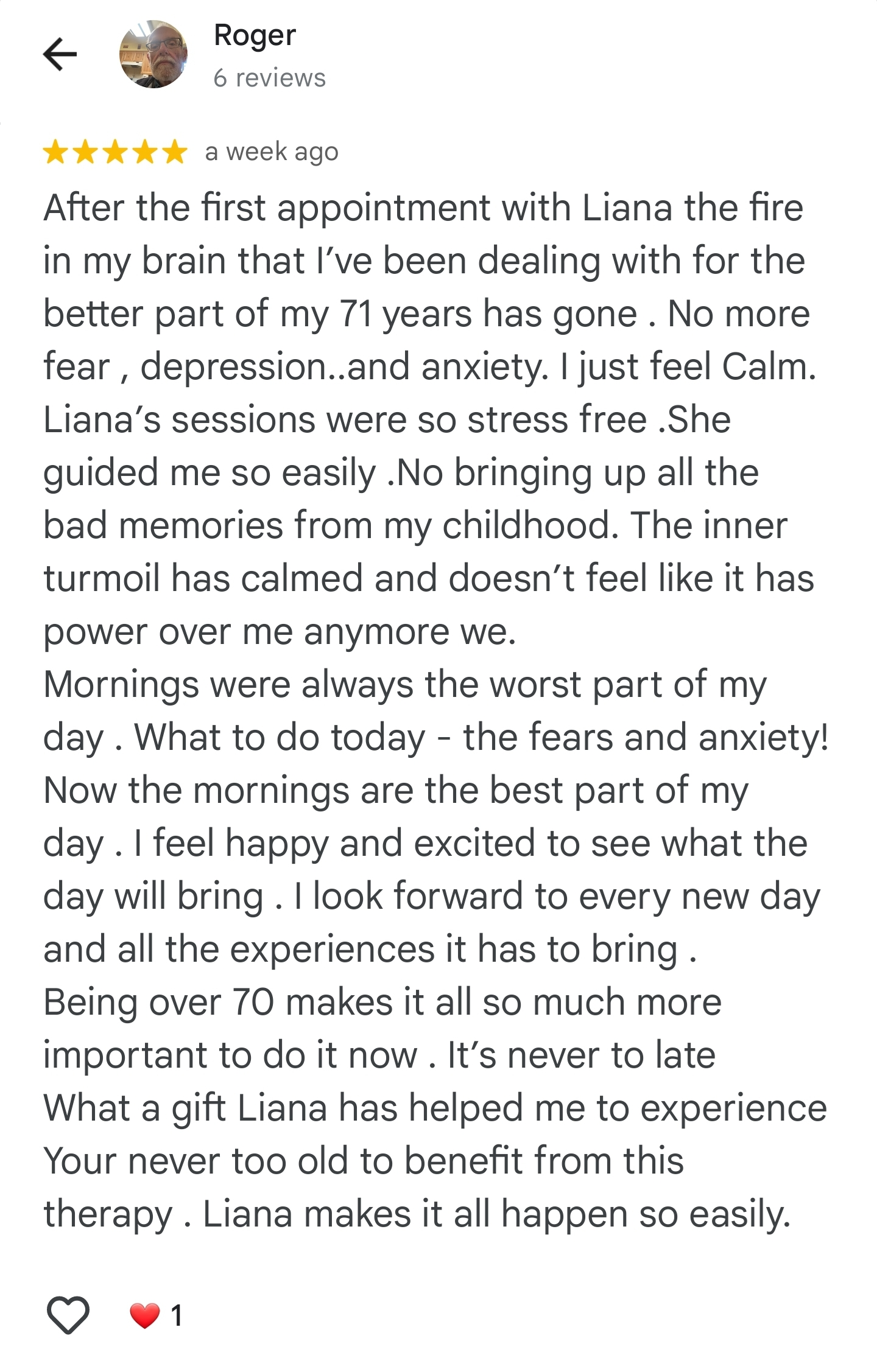
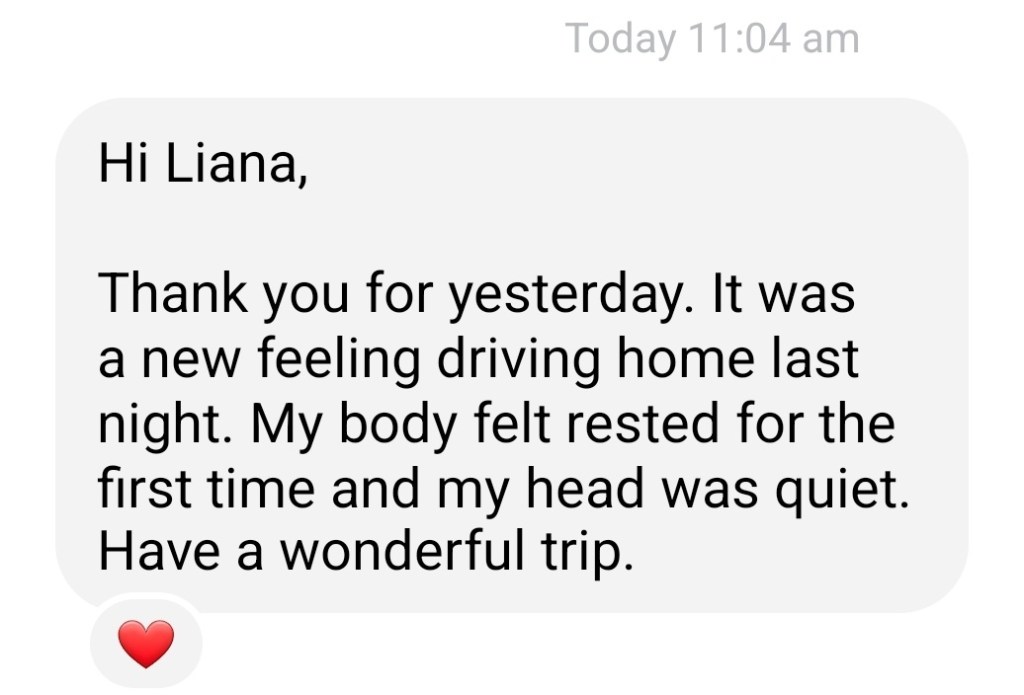
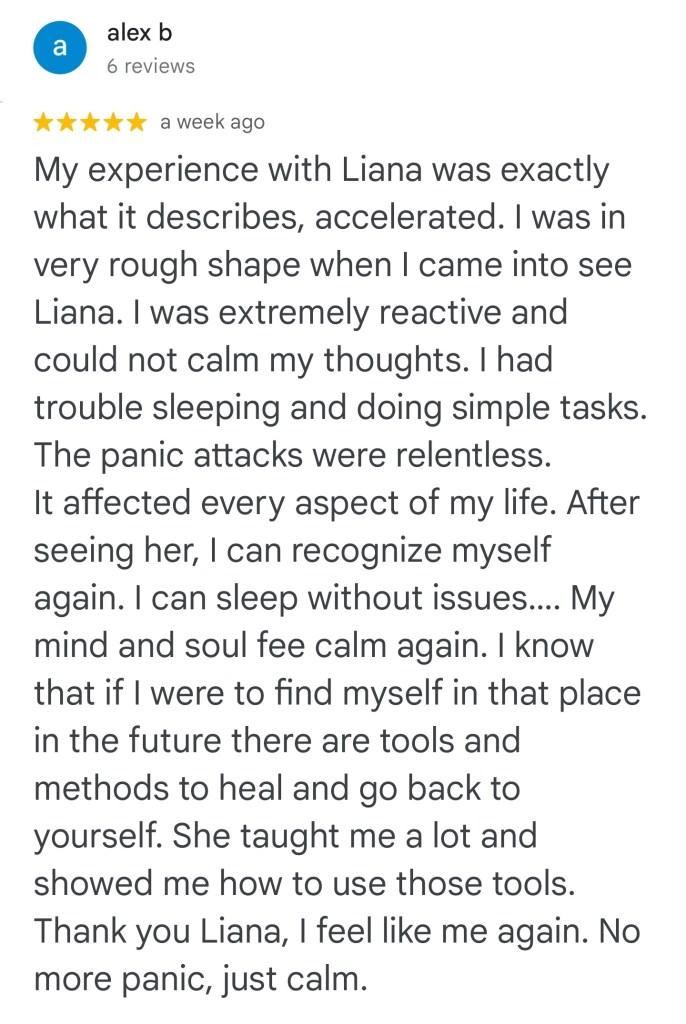
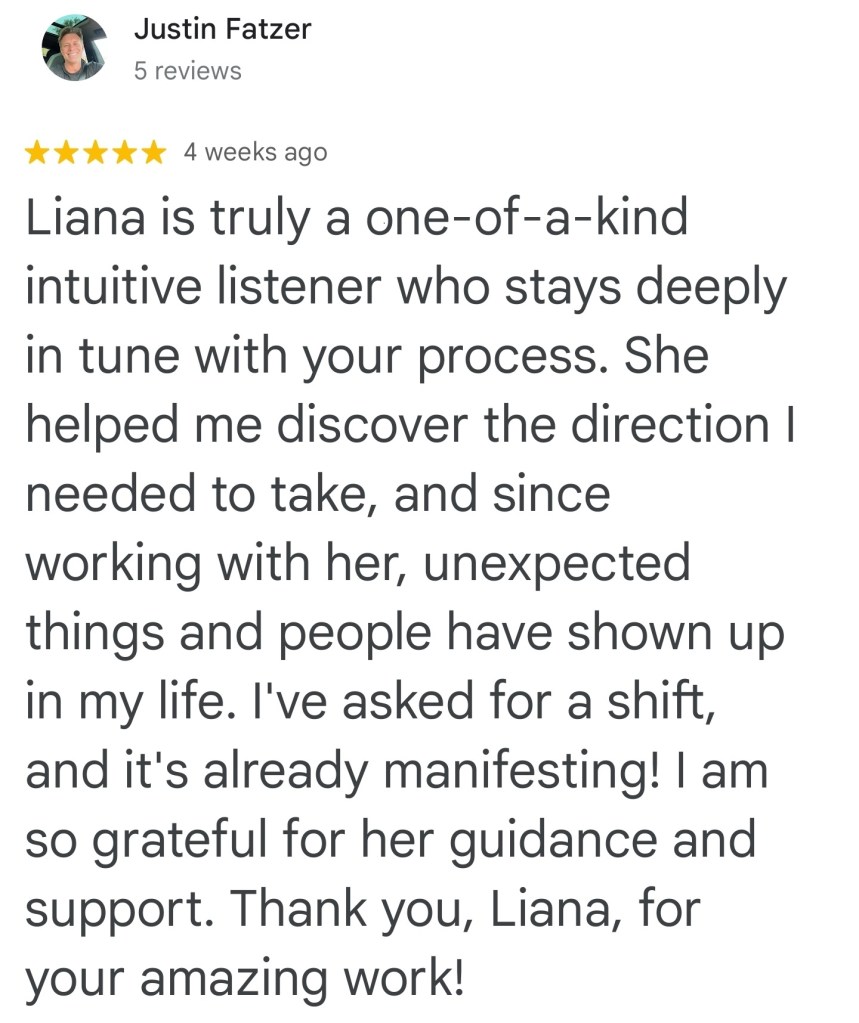
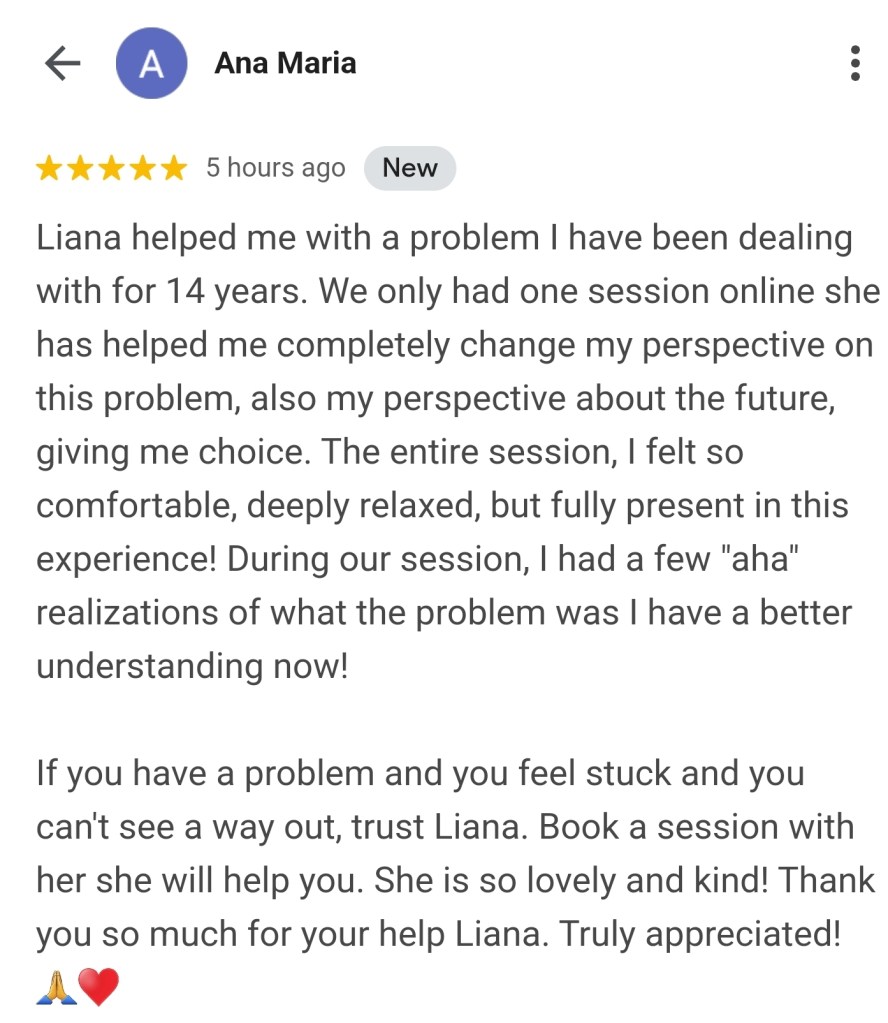
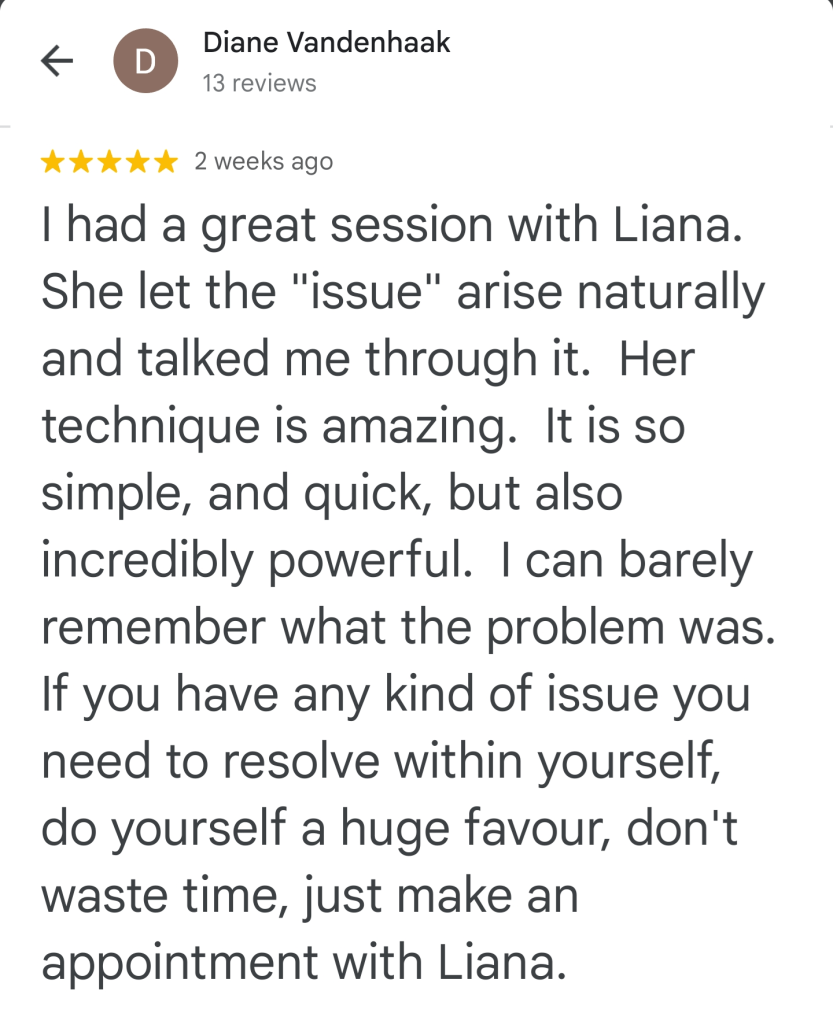
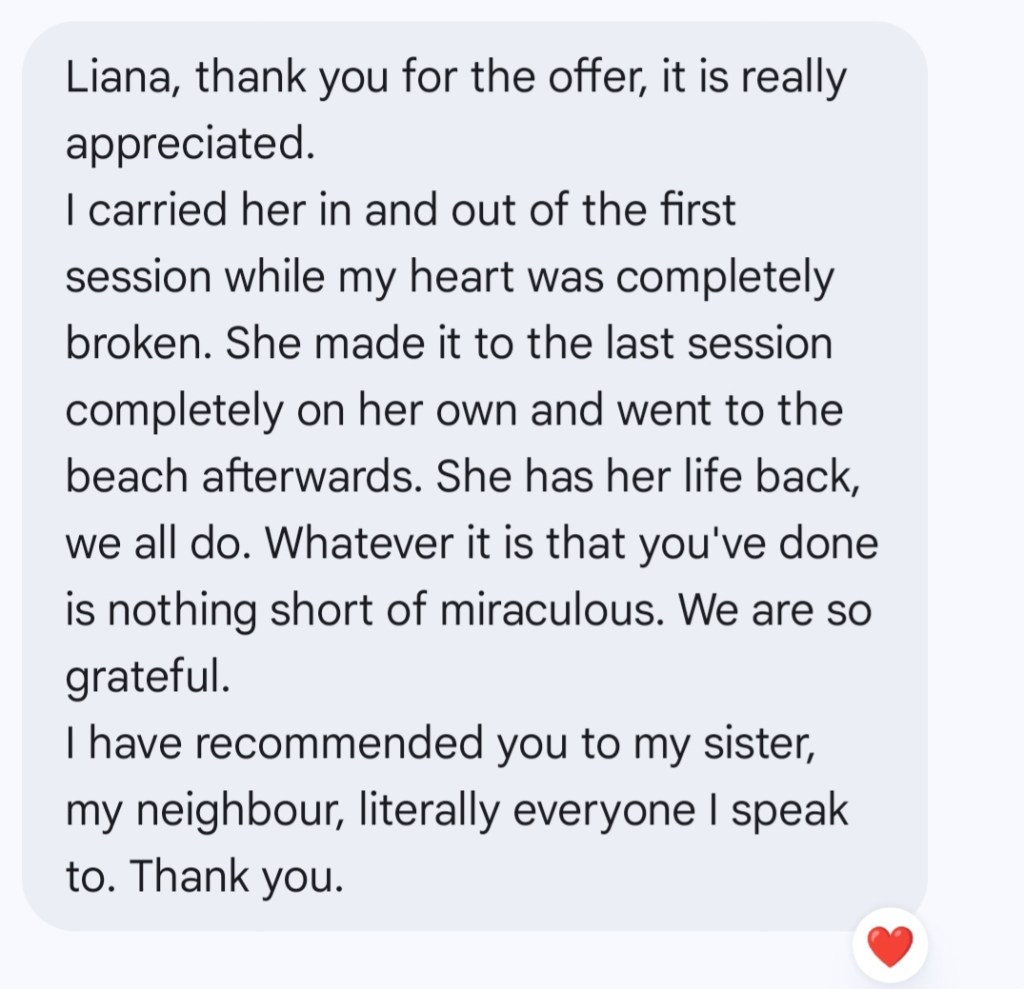
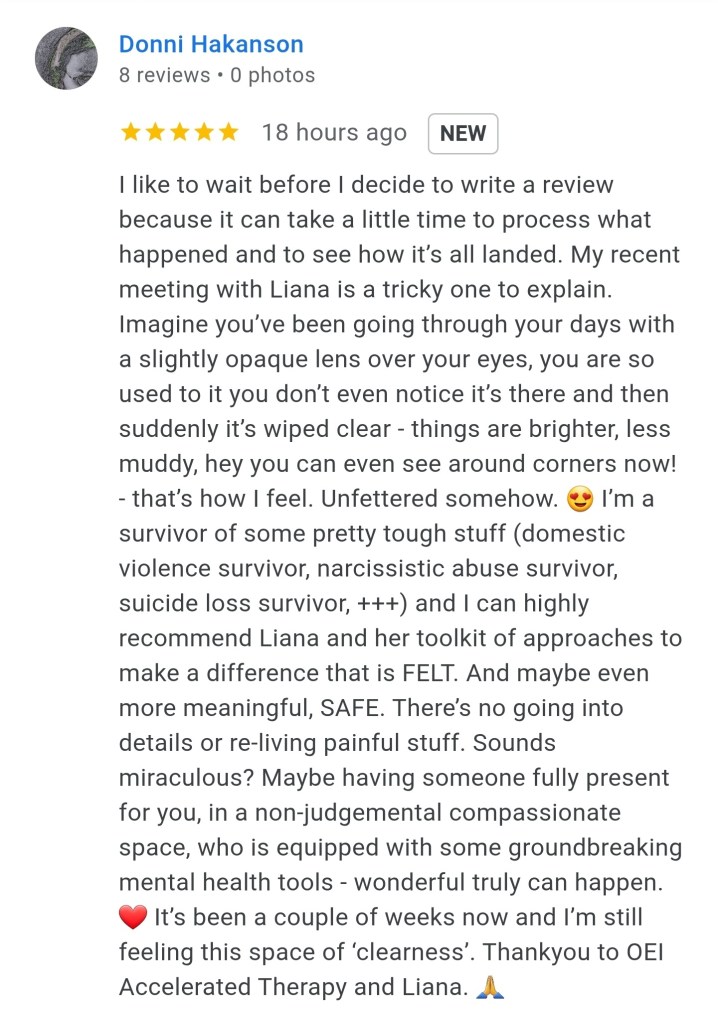
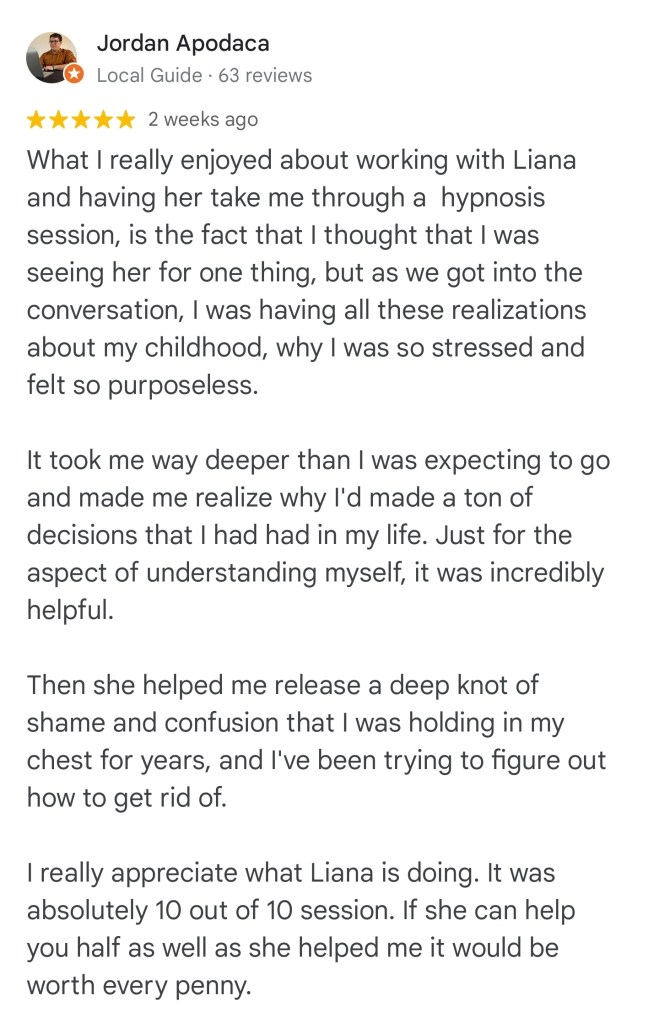
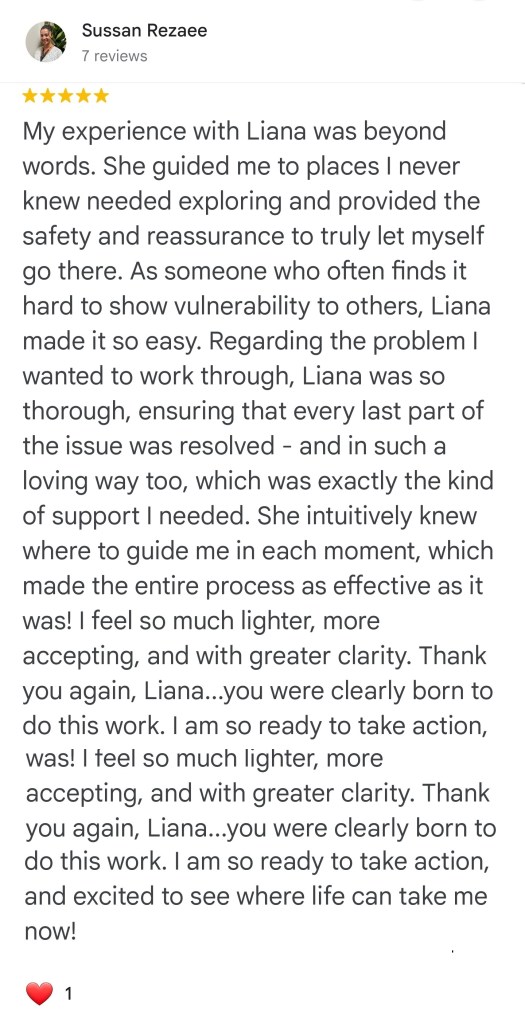
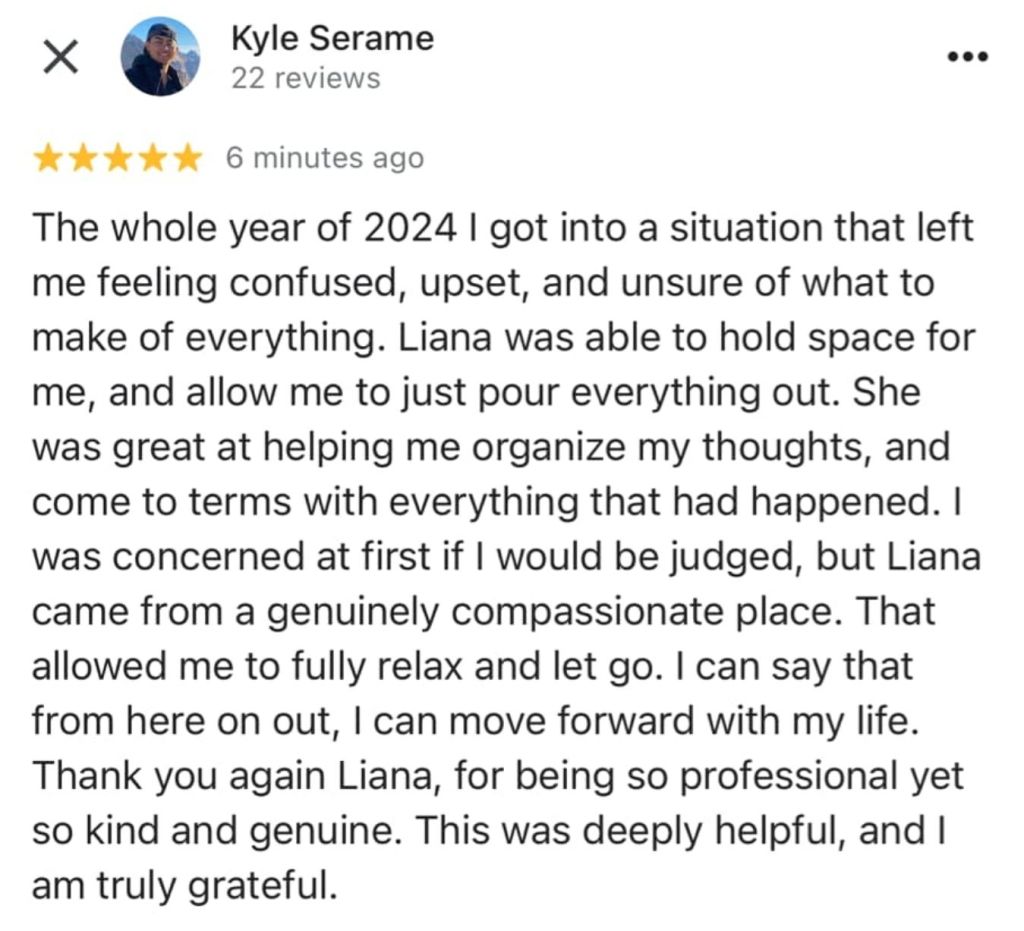
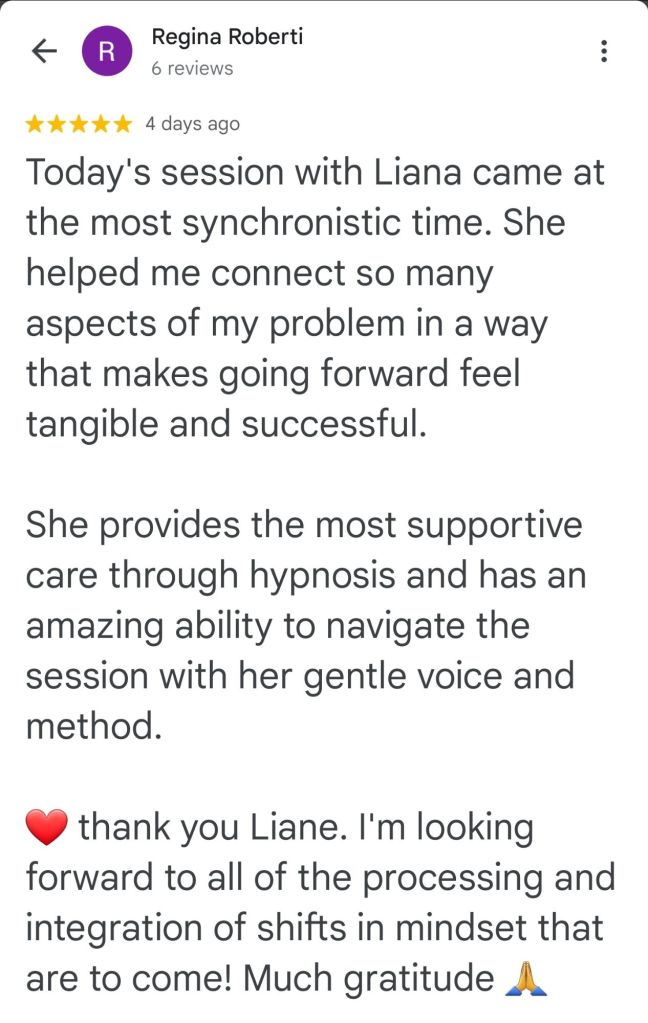
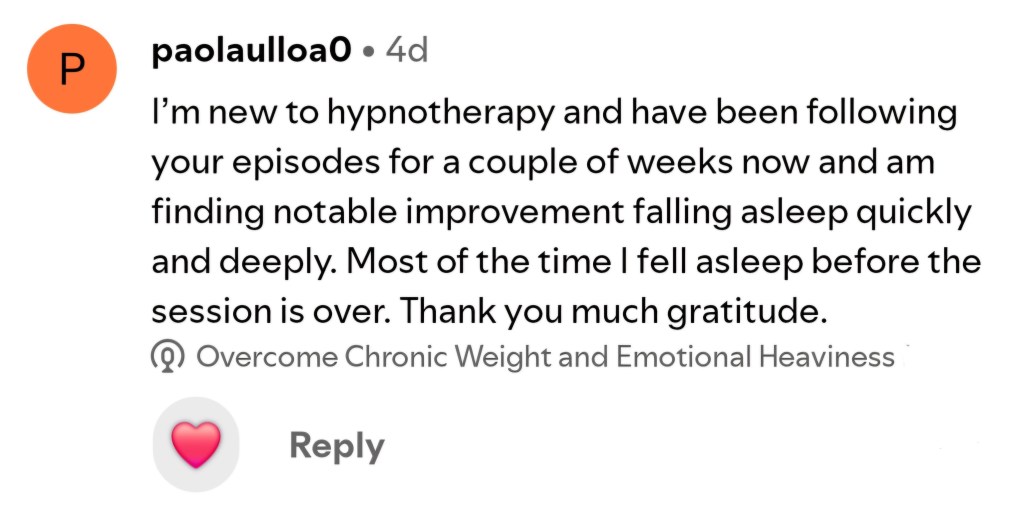
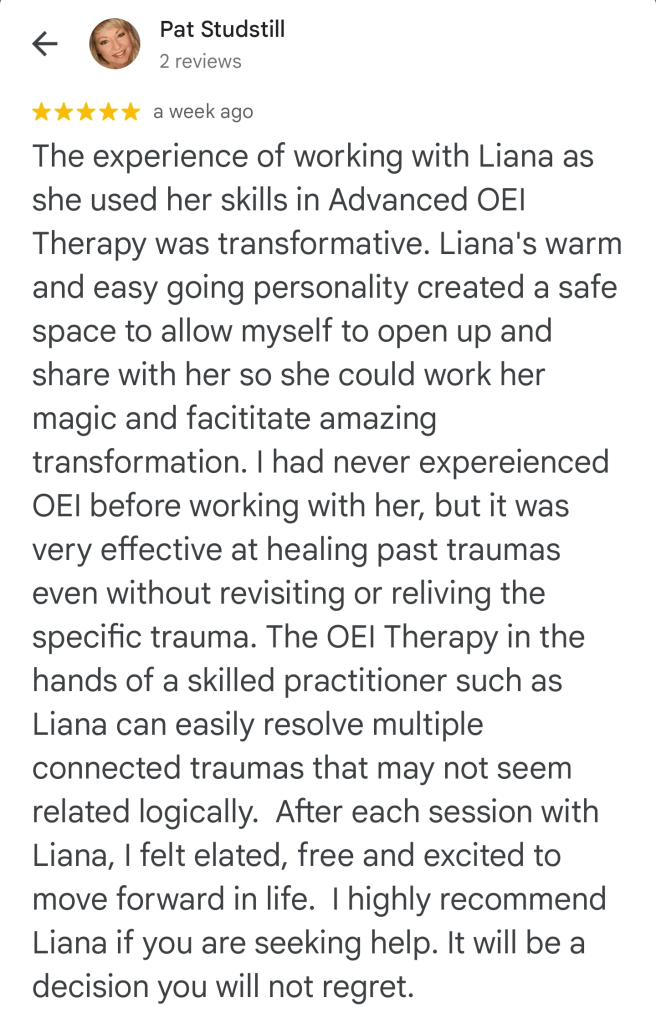
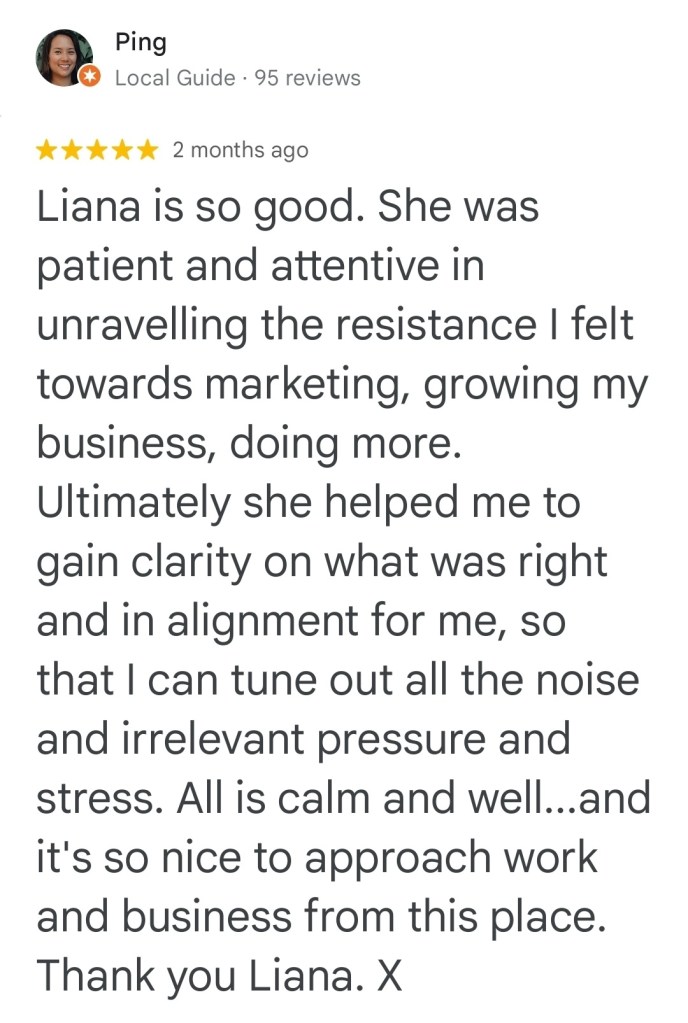
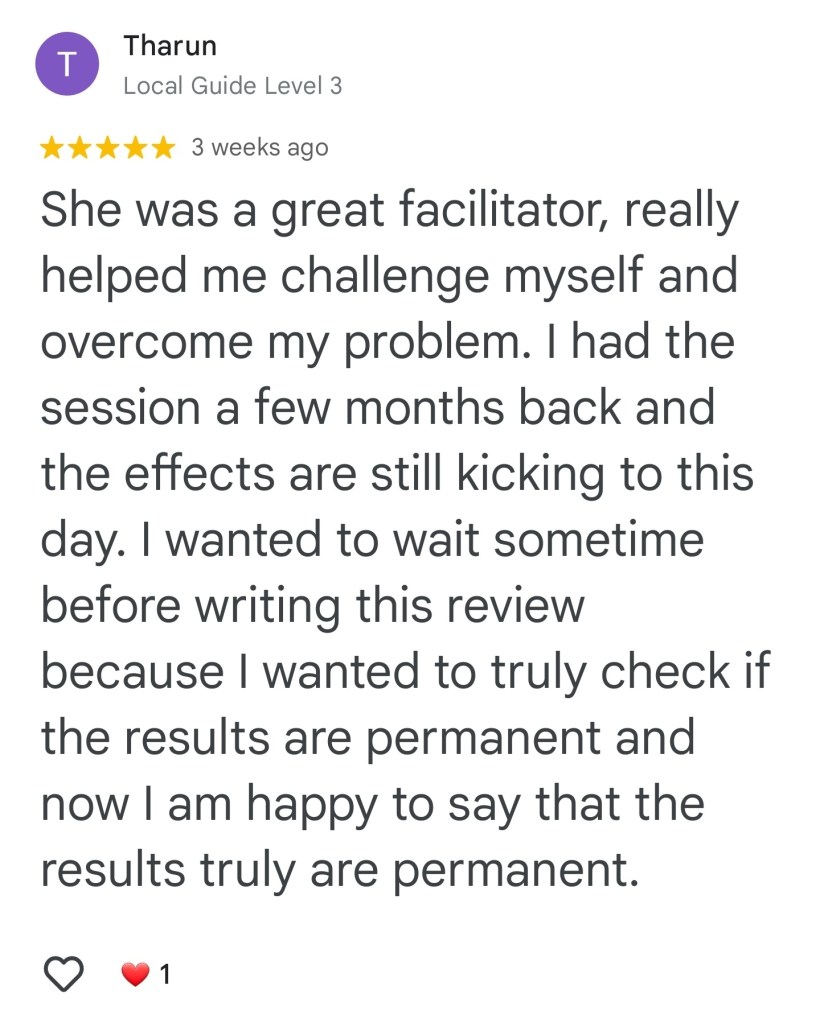
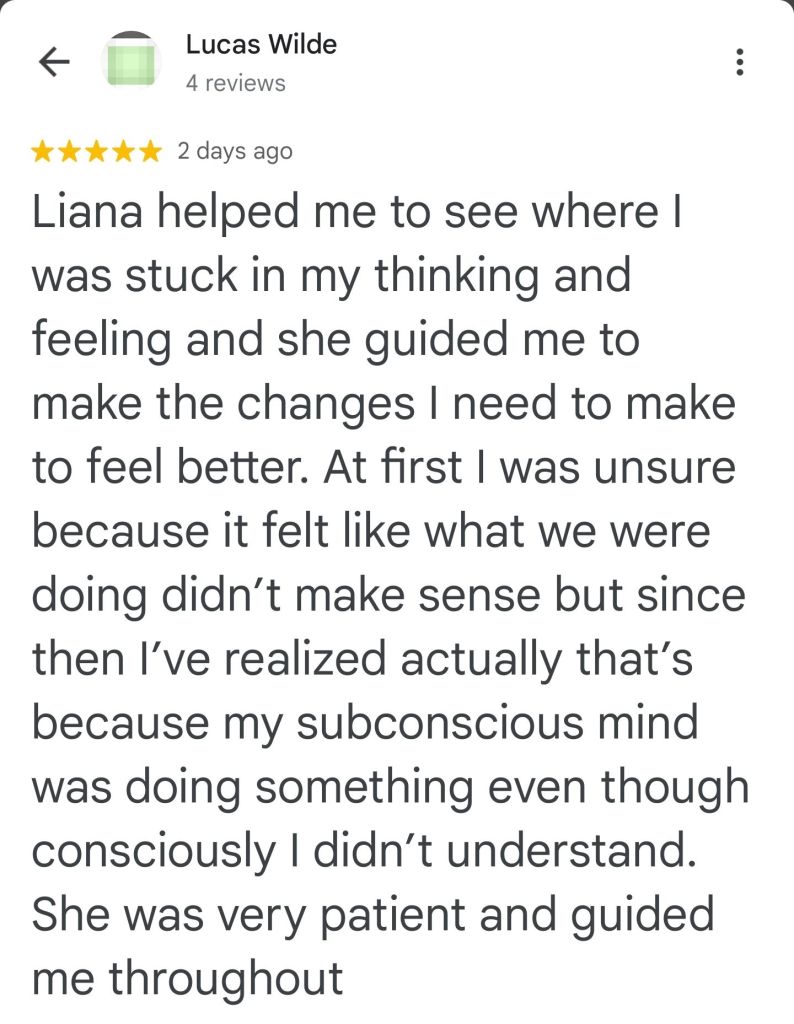
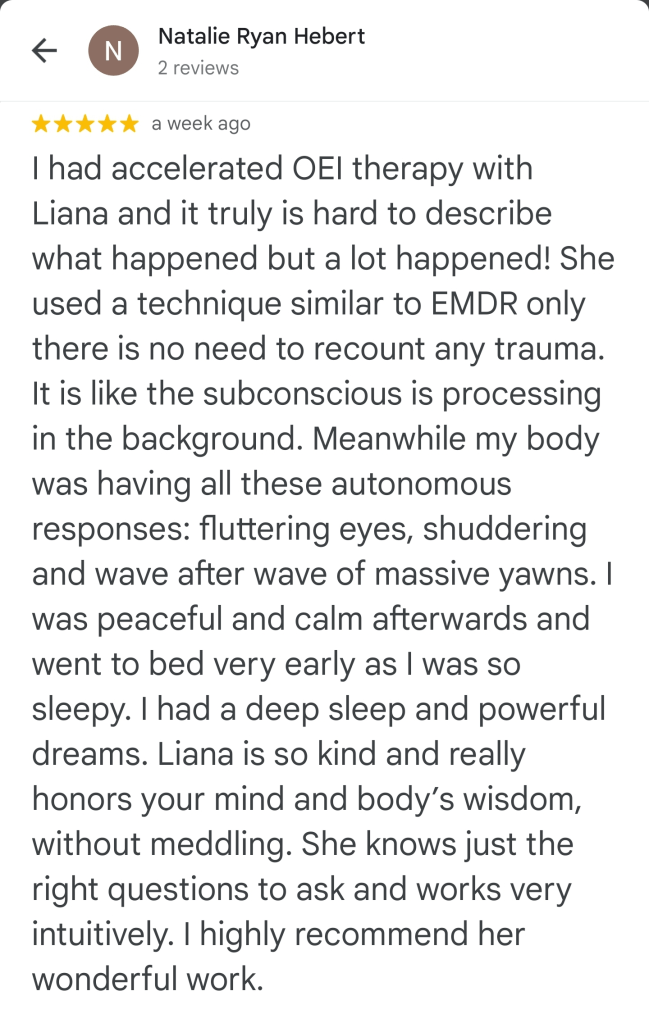
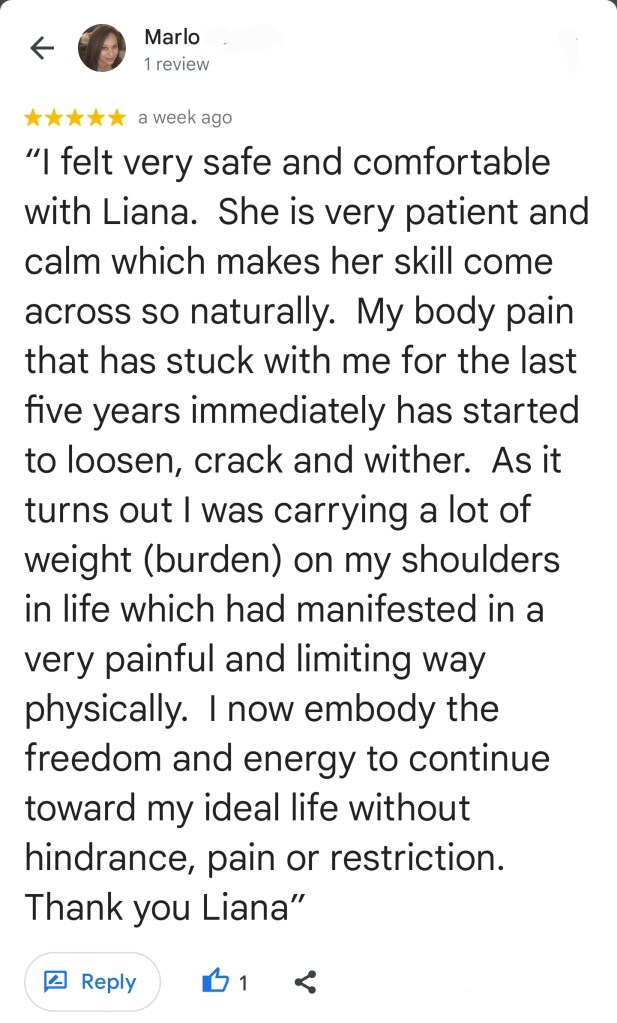
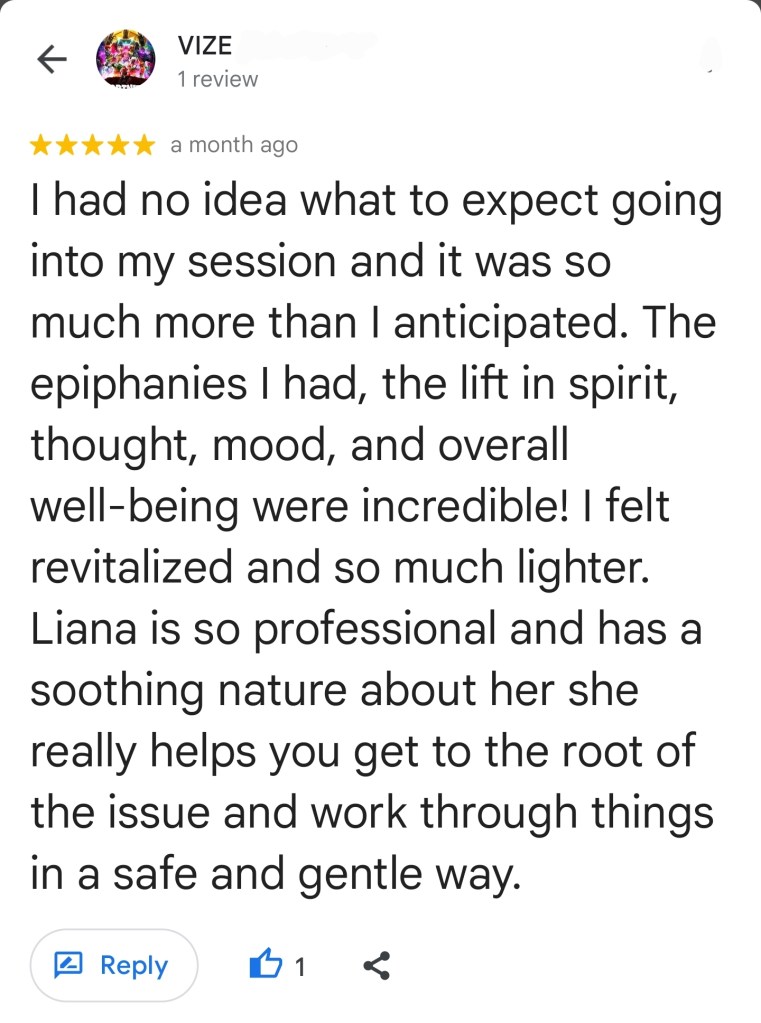
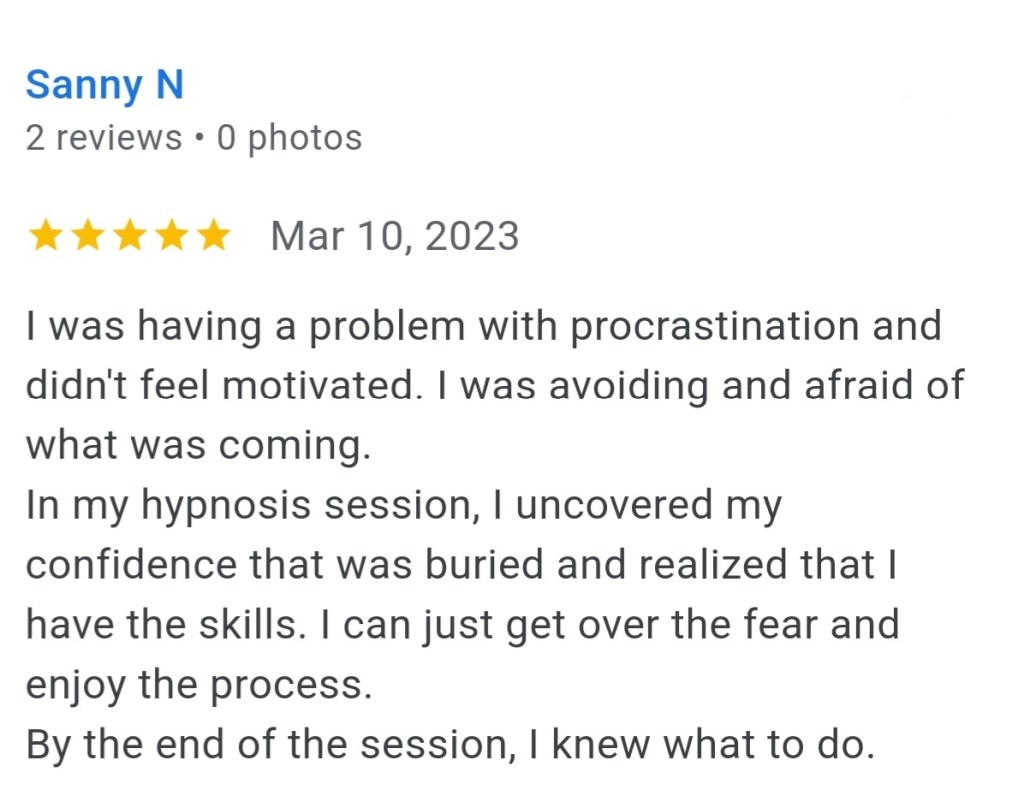
What Clients are Saying










































 Accelerated Hypnotherapy - Rapid Results
Leave a comment