Taking Care of Others—But What About You?
Have you ever said “yes” when you really wanted to say “no”? Maybe you haven’t really thought about it because saying yes is so automatic.
Have you been doing things for everyone else and your needs seem to come dead last.
Do you find yourself constantly monitoring someone else’s mood, trying to keep them calm, happy, or comfortable?
Sometimes putting others first is not out of kindness and a place of abundance but from a place of lack, survival, and trauma.
You might be enduring silently like I was because you’re just resigned, exhausted.
For individuals who have experienced trauma, rejection, or an emotionally unpredictable childhood or relationship, people pleasing can become a survival strategy.
Fawning as a trauma response alongside fight, flight, and freeze.
Fawning is when you prioritize another person’s comfort, needs, approval, or emotional state in an attempt to reduce conflict and create a sense of safety.
Fawning often carries an unconscious message:
“If I stay agreeable, useful, and easy to be around, I’ll be safer.”
You might do everything to avoid conflict, anticipate what others needs, suppress your feelings, or make yourself smaller to keep thing running smoothly.
The problem is that what once helped you feel safe can eventually become the very thing that leads you away from yourself.
When pleasing becomes self-abandonment
Fawning can make you highly attuned to everyone else while becoming disconnected from yourself.
You may know exactly what your partner, friend, parent, or coworker needs, but not sure about how you feel, and what you really want.
You may have trouble creating boundaries because you’re not sure what is acceptable for you anymore.
You may be feeling hopeless and have lost touch with your sense of self.
It’s not gone.
You have just pushed into the background while you focus on everyone else and try to figure out what they feel, what they want.
Infidelity and People Pleasing
Here are some of the ways fawning shows up after infidelity, especially if you are financially dependent on the person who cheated. Financial dependence can create genuine constraints.
Betrayal can create a painful sense of “I don’t have a choice.” You may feel angry, hurt, trapped and confused AF because leaving may not feel financially possible right now.
Avoiding difficult conversations: You may avoid confronting your partner about the betrayal because you’re afraid of what could happen if the relationship becomes unstable. You may prioritize keeping the relationship calm and secure when you feel that your housing, finances, or stability depend on it.
Difficulty saying no: You may find yourself agreeing to things you’re uncomfortable with because you fear losing financial support or creating more conflict because keeping the other person satisfied feels safer than asserting your own boundaries.
Seeking reassurance from the person who hurt you: You may desperately want your partner to reassure you that they still love you, choose you, or won’t leave because your sense of safety feels dependent on restoring connection with the person whose approval or support you rely on. This can also create a trauma bond because you have been betrayed by the very person that you trusted and relied upon.
Trying to keep everyone happy: You may minimize your own hurt or take responsibility for keeping the relationship functioning because you feel you cannot afford for it to fall apart. So you focus on managing your partner’s emotions instead of checking in with yourself.
Conflict avoidance: You might stay quiet about questions, anger, or boundaries because confrontation feels too risky. You may find yoursel automatically adapting to the person you are dependent on to reduce perceived danger, rejection, or instability, even though they have betrayed you. Confusing AF.
Fear of abandonment: You may feel terrified that setting boundaries or expressing your true feelings will affect the relationship and that you won’t be able to support yourself financially. So maintaining connection can become a survival priority, even when the relationship is not serving you and there’s no real change or responsibility taken.
Compartmentalizing: You may find yourself separating the betrayal from everyday life—going to work, caring for children, or maintaining the household while trying not to think about what happened. It’s more important to keep things together than taking time to process your own emotions and what you really want to do.
Difficulty identifying your own needs: You may become so focused on what your partner wants, what will keep the household stable, or what will prevent another conflict that you lose touch with what you want.
Repeatedly prioritizing someone else’s needs can make your own needs and boundaries harder to recognize.
Most importantly: Financial dependence can create a real constraint, and recognizing that constraint does not mean you are weak.
My Trauma Bond
I was in a situation that involved threats, intimidation, and I was afraid of what my ex might do if I said what I really felt, if I disagreed or was even self-expressed, so I became very small, hoping he wouldn’t notice, wouldn’t be set off.
I kept my cards close to my chest, like many of my clients who are in a similar situation and planning to make their escape. Stay safe while you weigh your options.
Accelerated Hypnotherapy can create the right conditions for your brain to integrate and heal from the trauma, you will gain access to your logical, thinking brain that can help you make good decisions for yourself.
Conflict after Betrayal
If you recognize yourself in people-pleasing, it probably means you learned to adapt to something when you didn’t feel safe. It might have been something you’ve been doing since you were a child.
You might have learned that staying agreeable, quiet, useful, or small was the safest way to cope with trauma, betrayal, conflict, intimidation, or financial dependence.
But over time, constantly managing someone else’s moods and needs can leave you exhausted, resentful, and disconnected from your own feelings, boundaries, and sense of self.
Healing does not require you to make big decisions before you are safe or ready; it can begin with looking for ways to ask yourself what you feel, what you need, and what feels right for you right now.
You can care about others without abandoning yourself.
Your true self is not gone; it may simply have been pushed into the background while you’ve been trying to survive.
If you are ready to stop losing yourself in other people’s needs and begin reconnecting with yourself, your needs, boundaries, and sense of safety, let’s connect. You do not have to figure it all out alone.
TRAUMA RECOVERY COURSE
Register for my Infidelity & Betrayal Trauma Recovery course
“We cannot ignore our pain and feel compassion for it at the same time.”
-Brené Brown
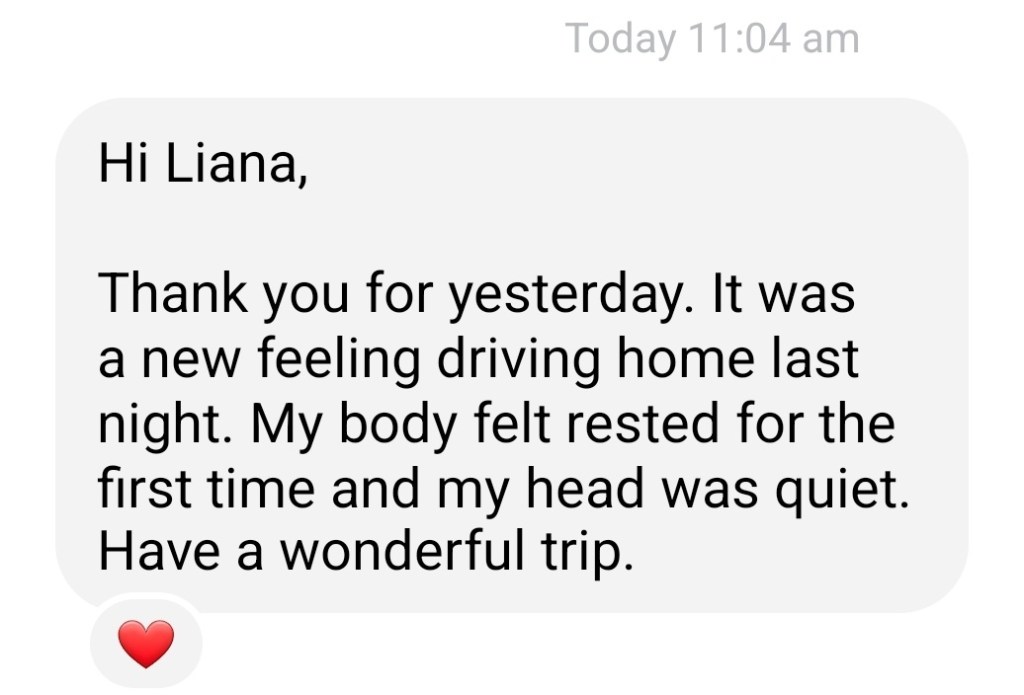
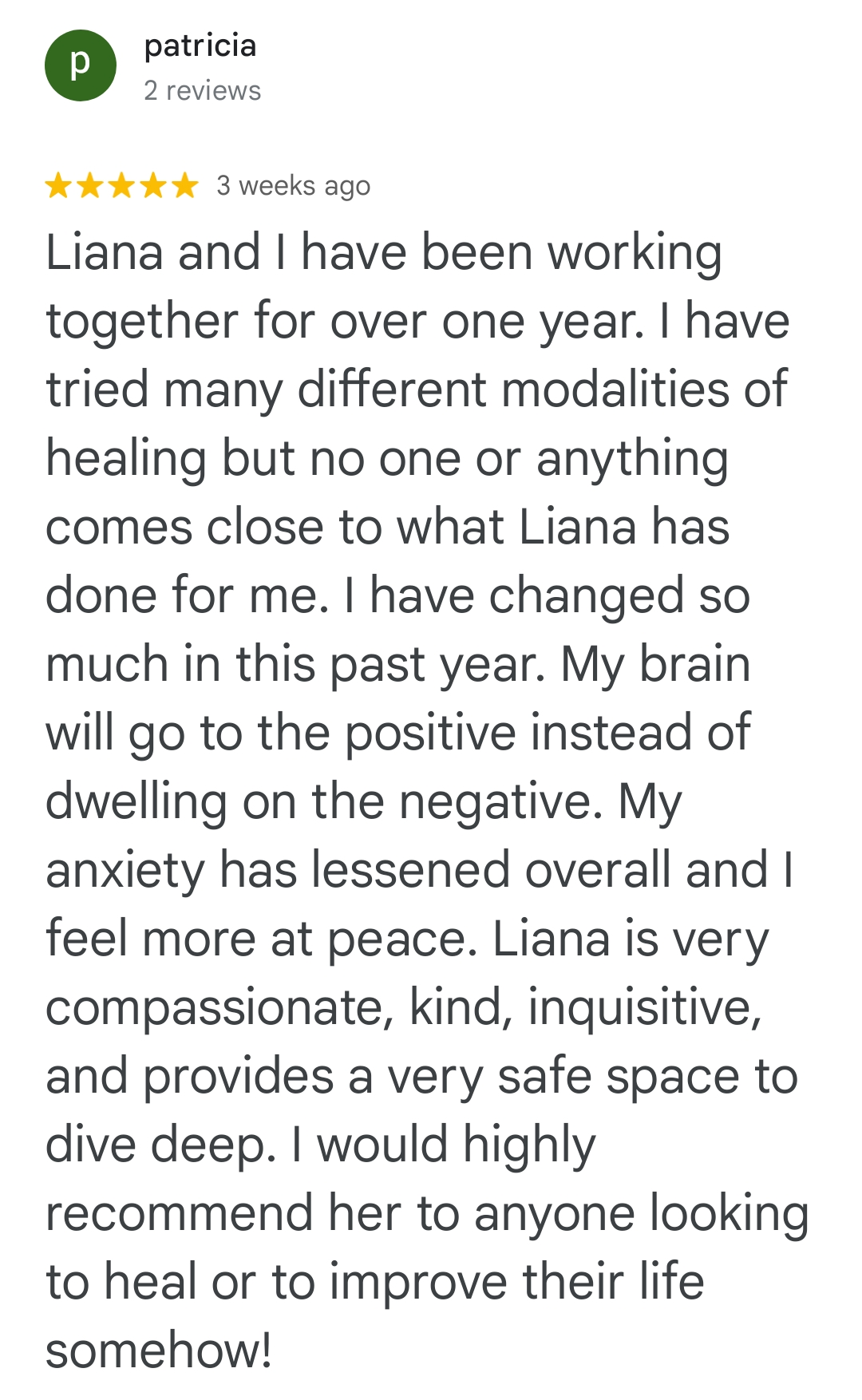
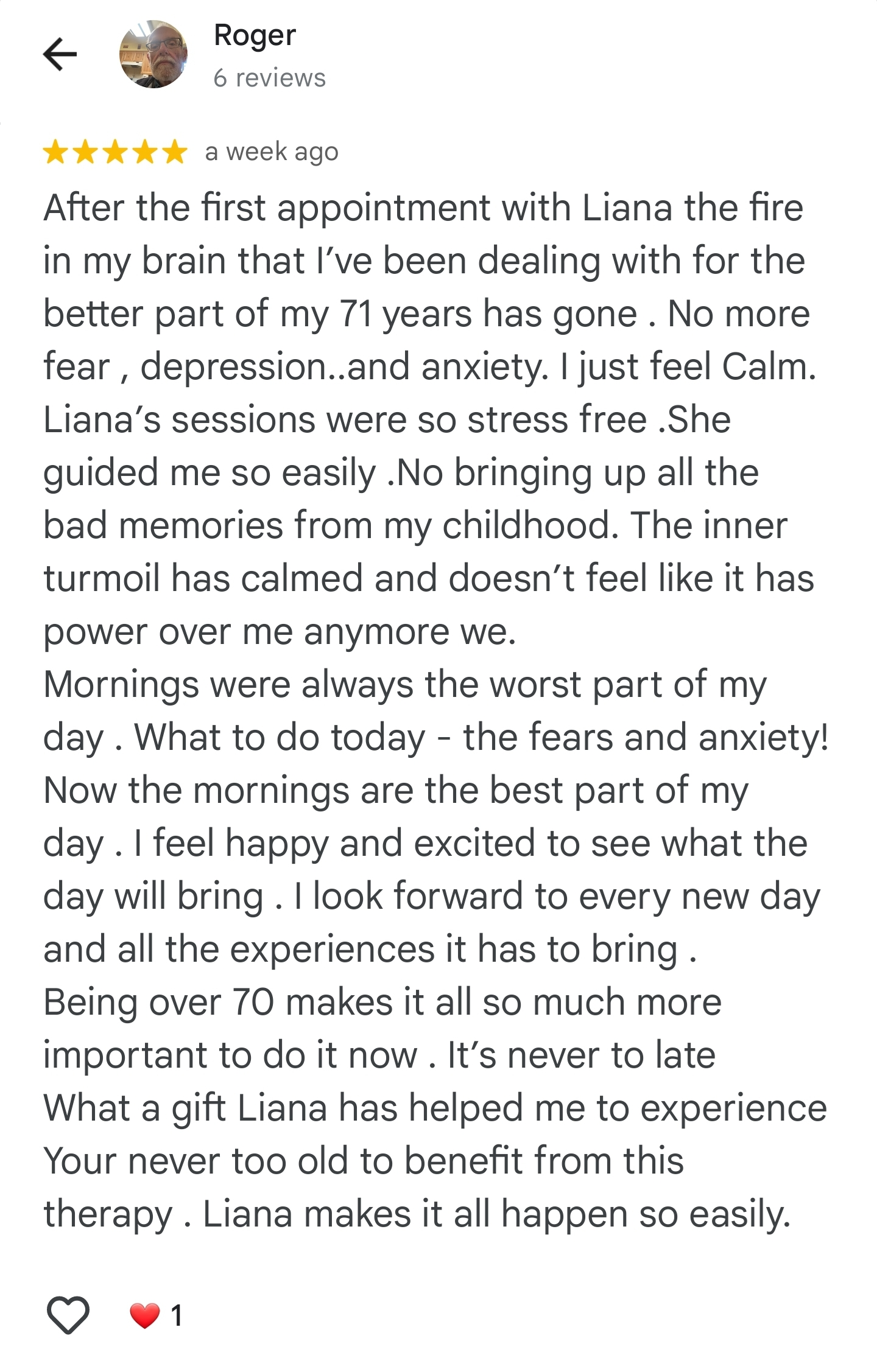
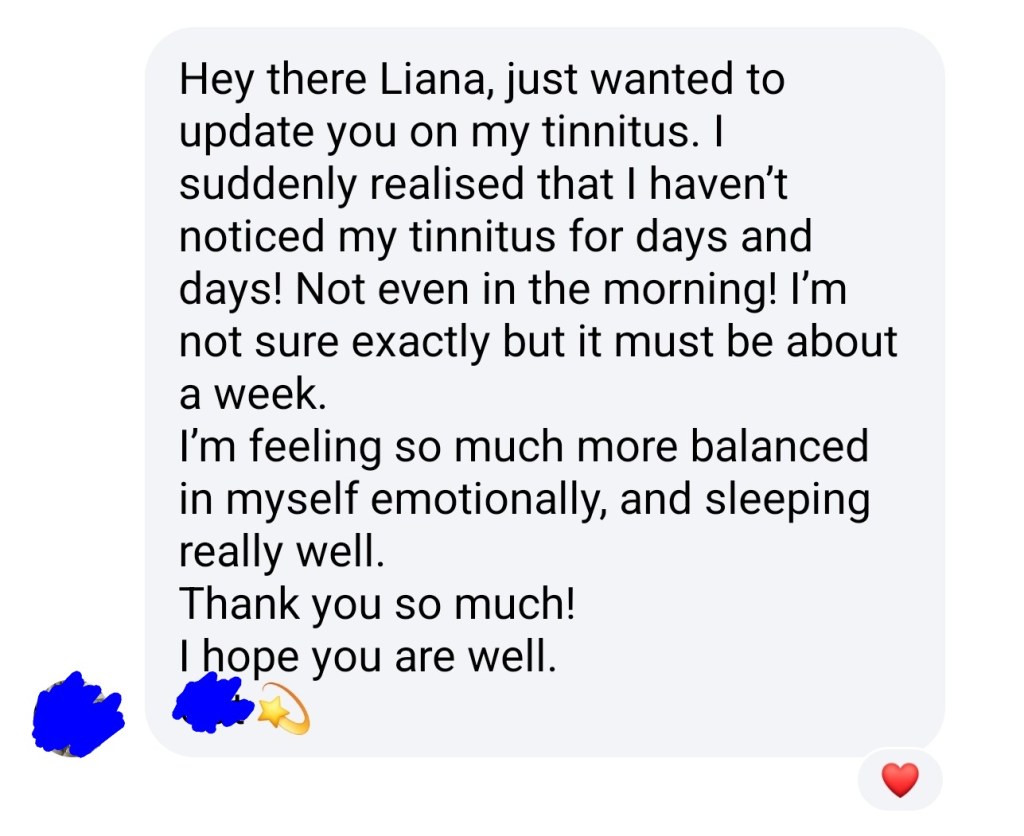
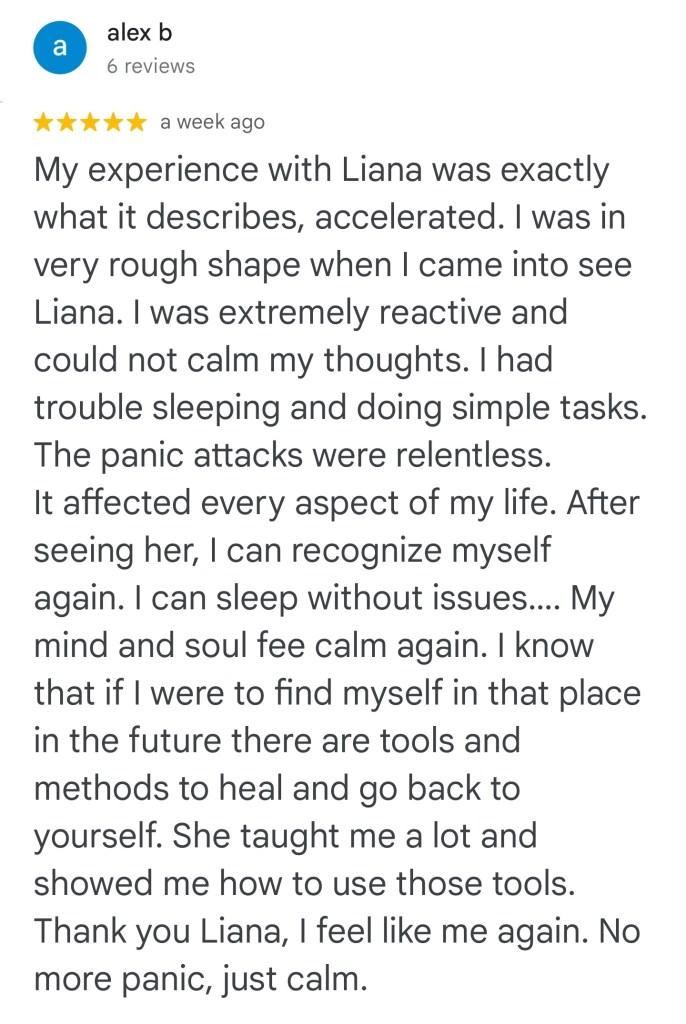
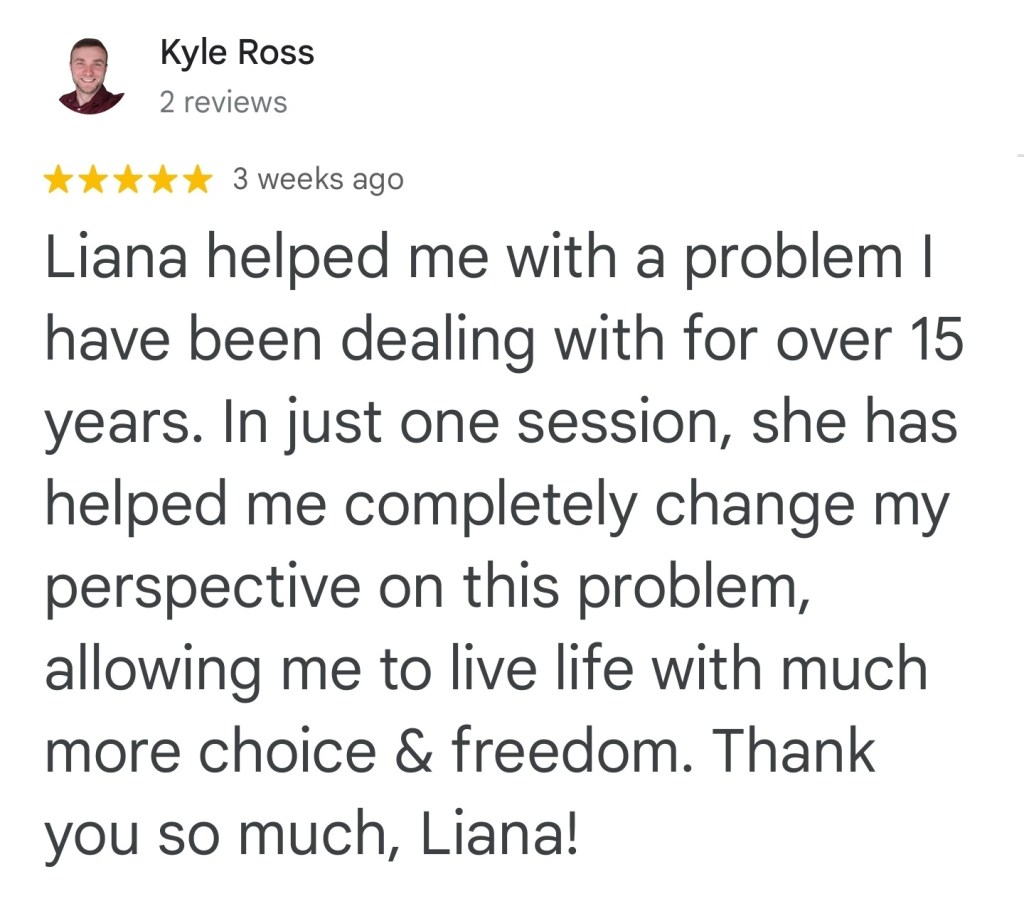
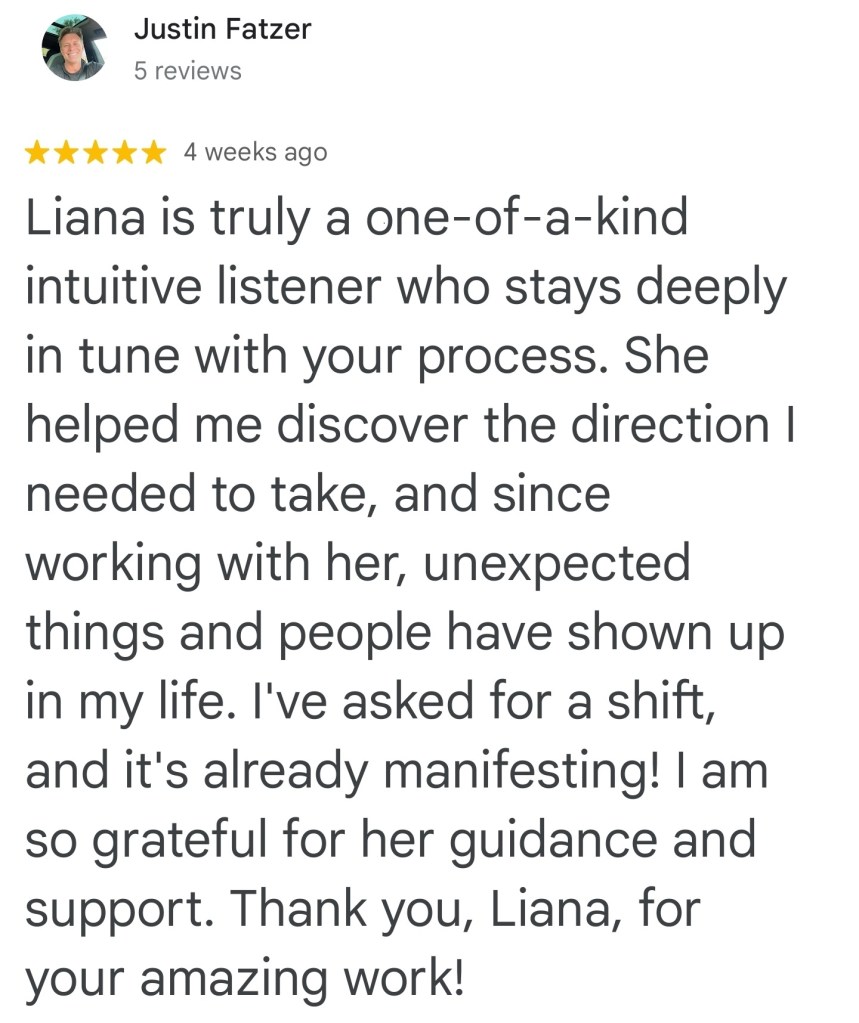
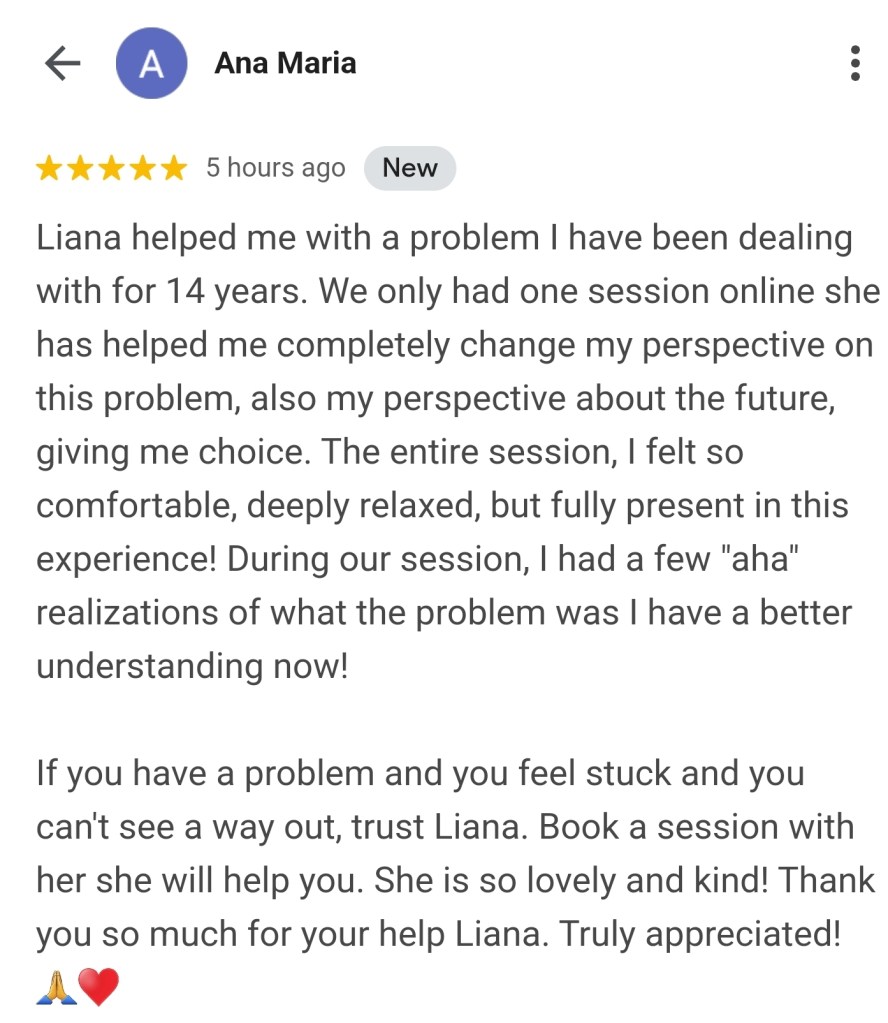
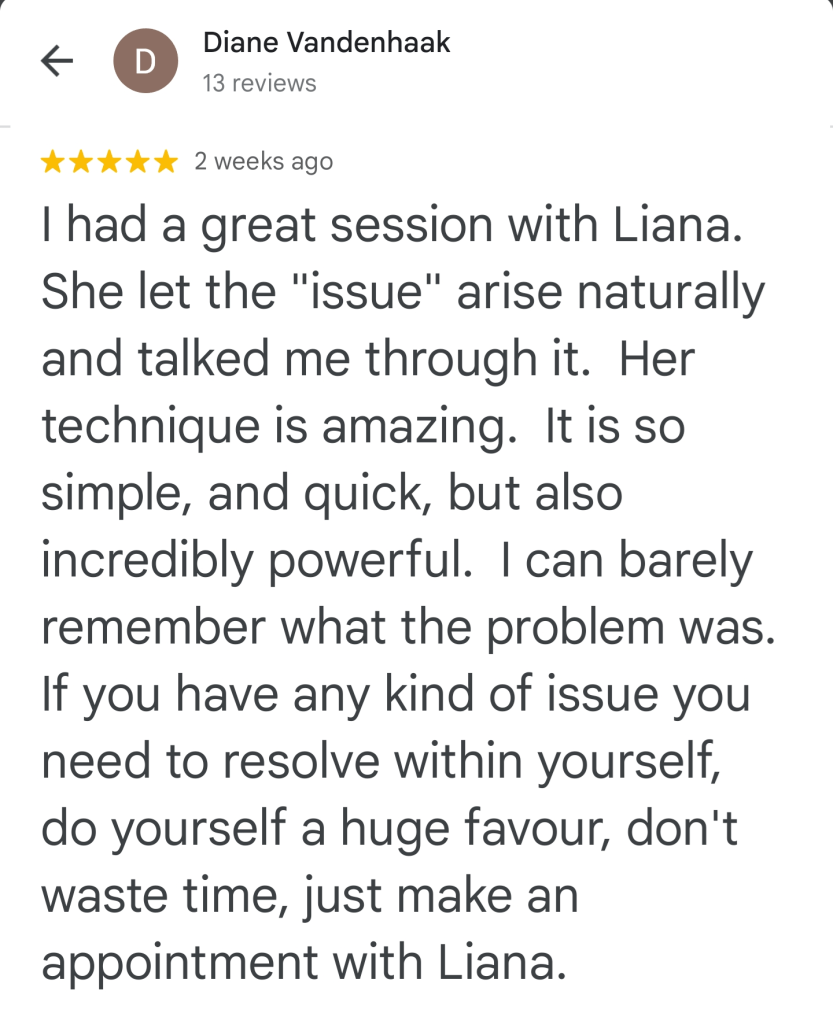
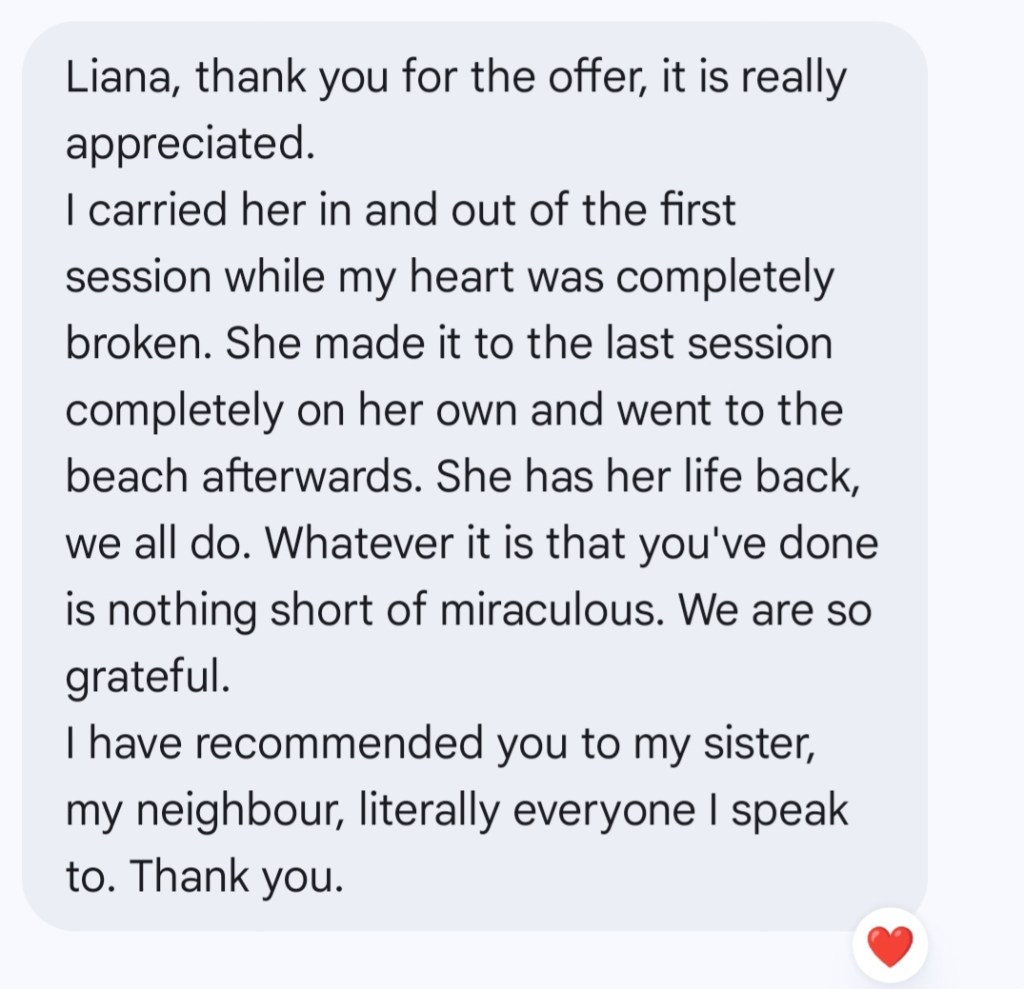
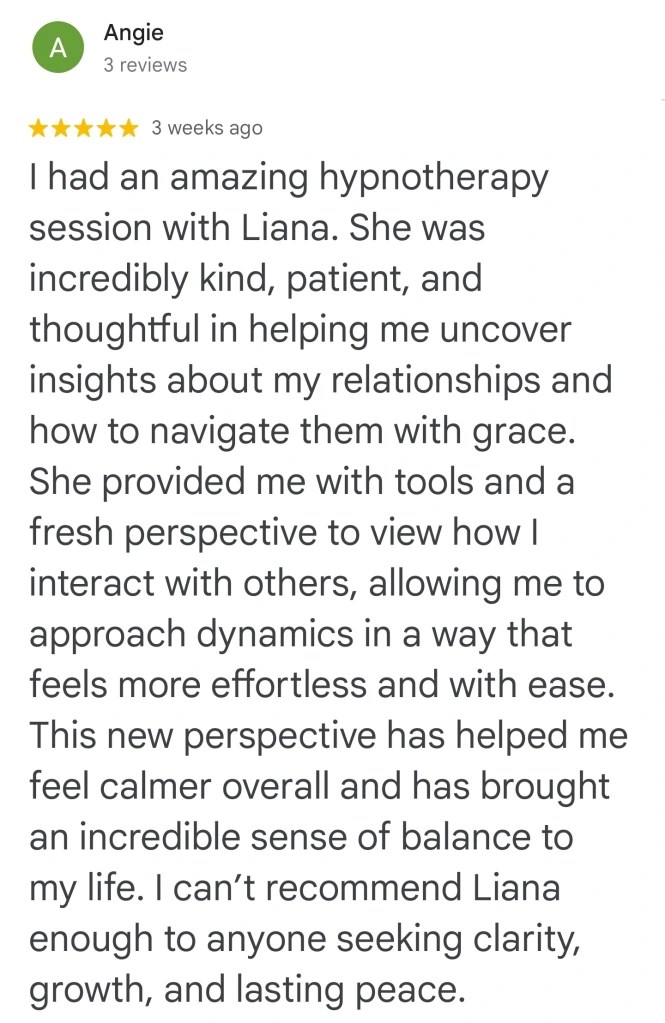
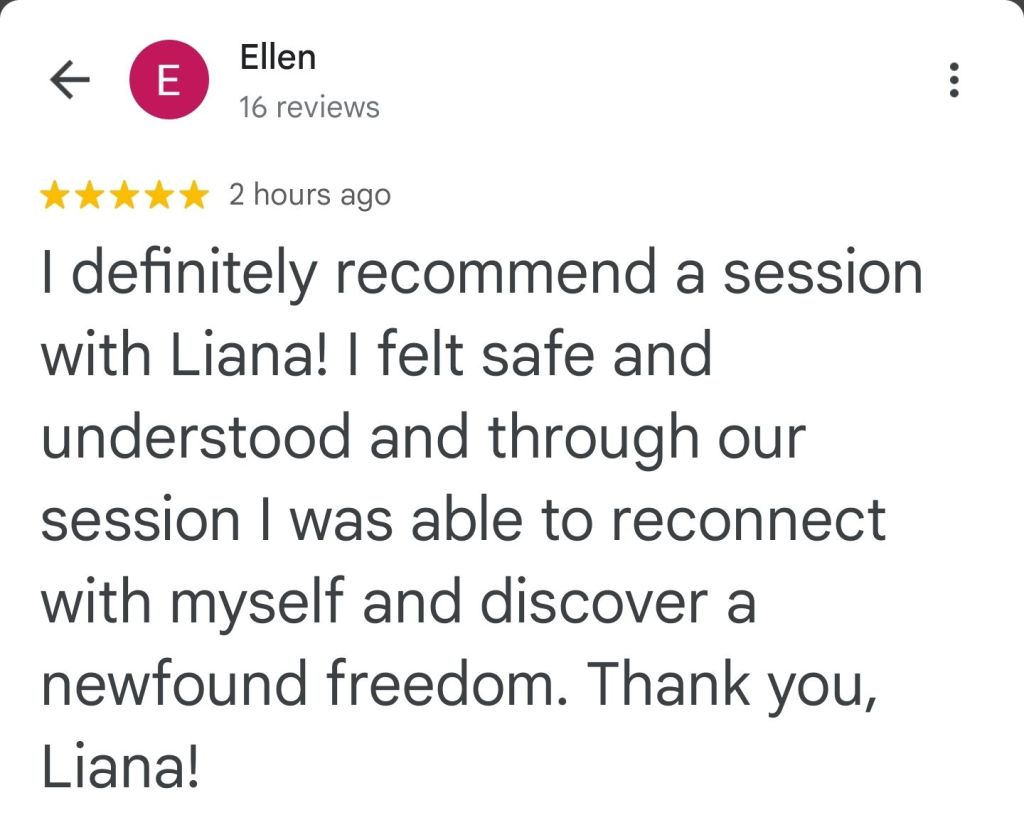
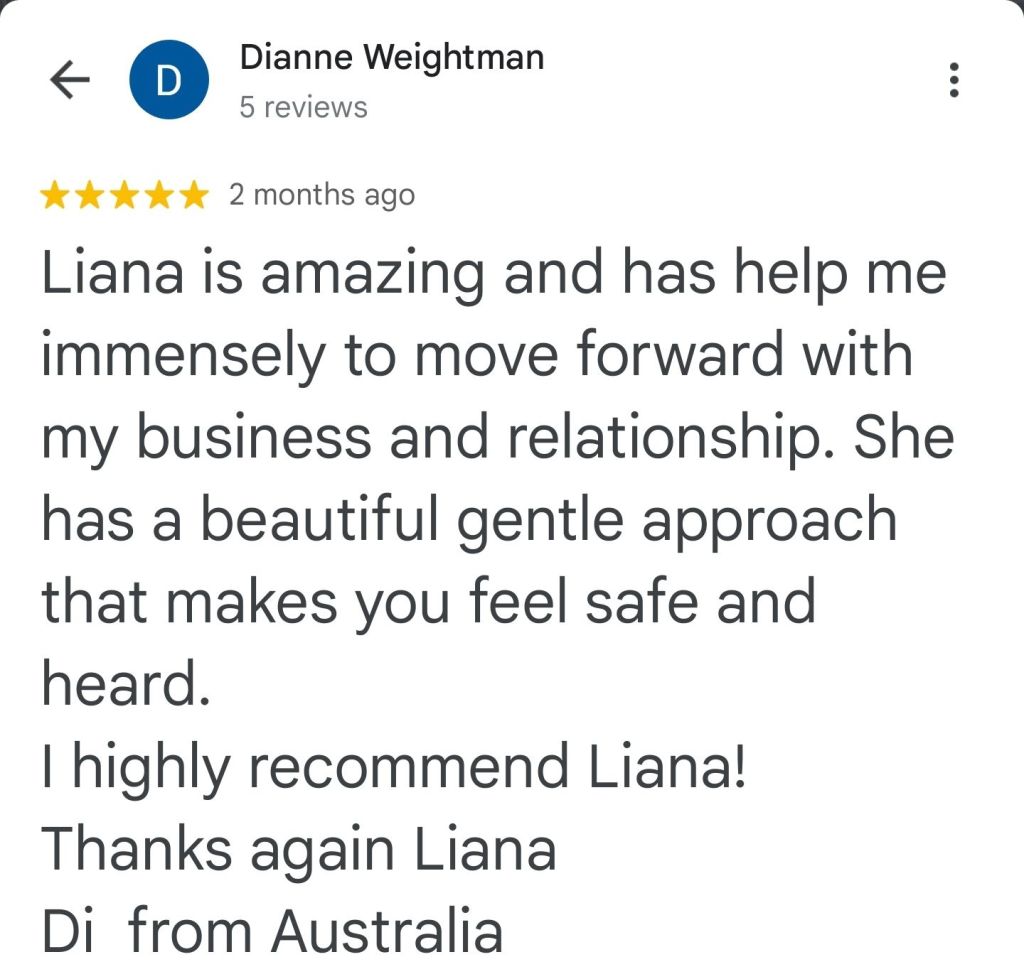
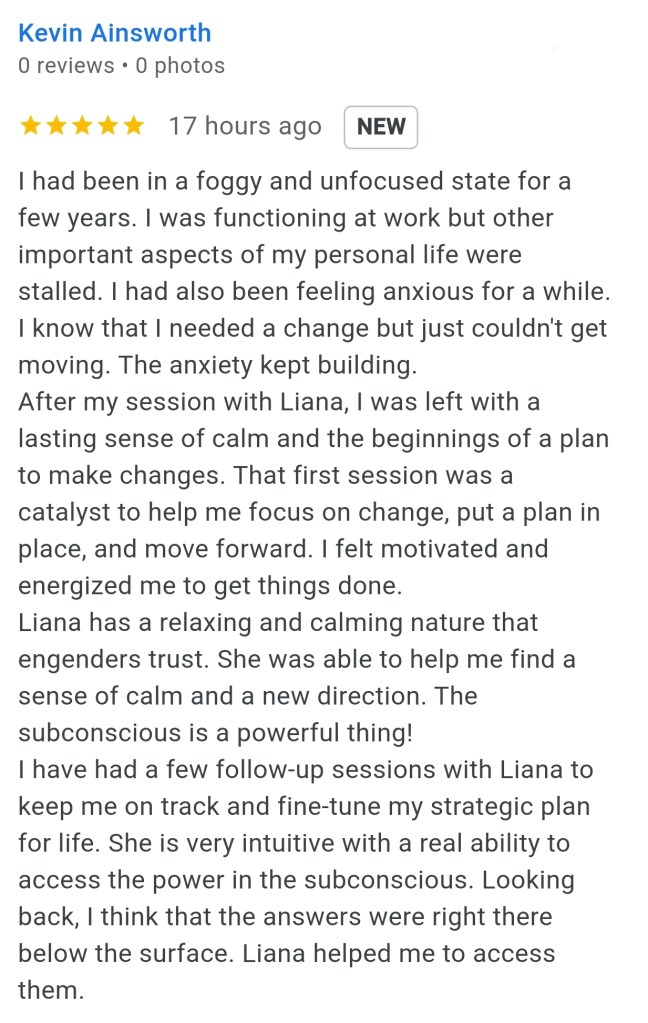
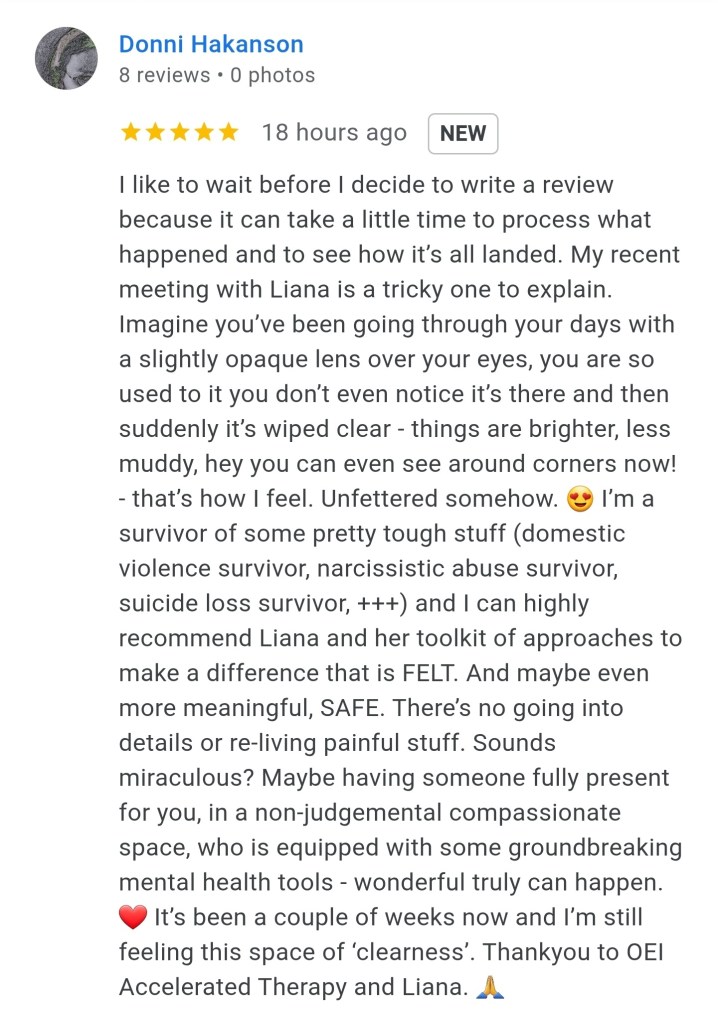
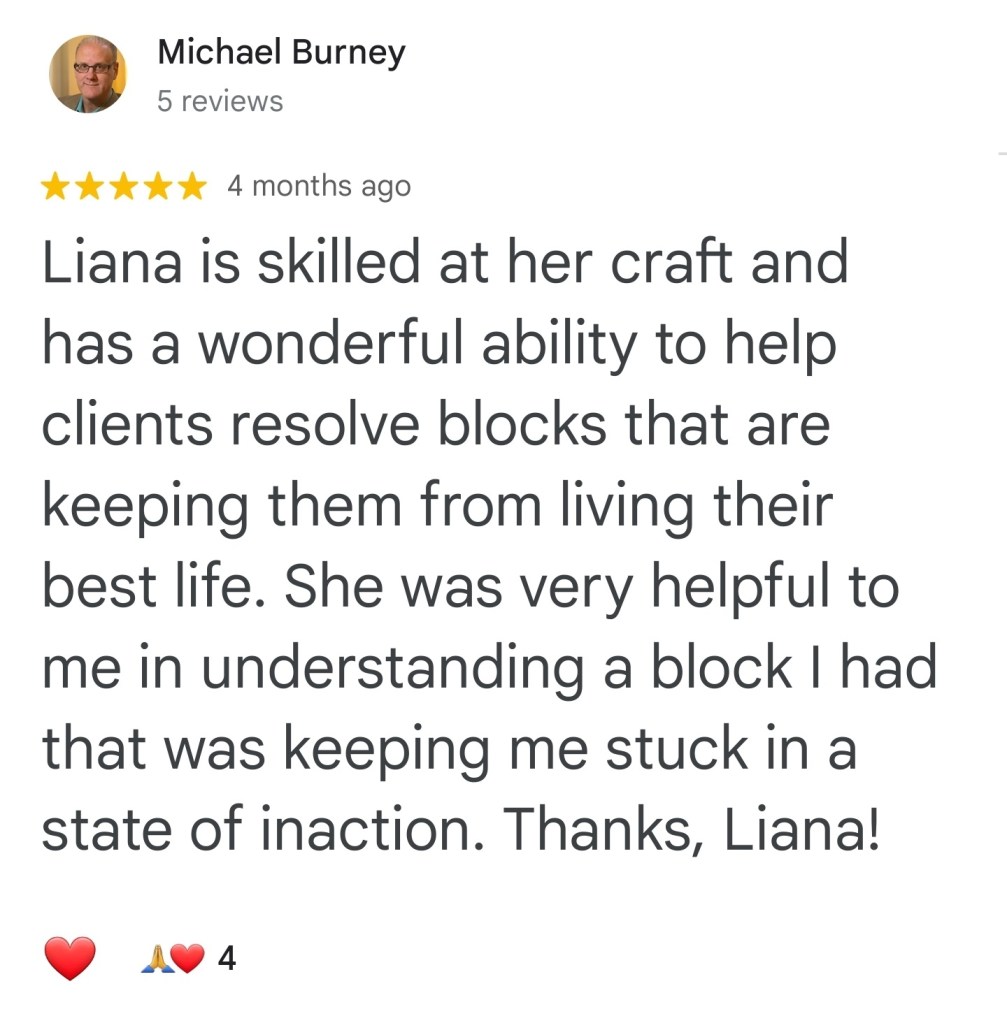
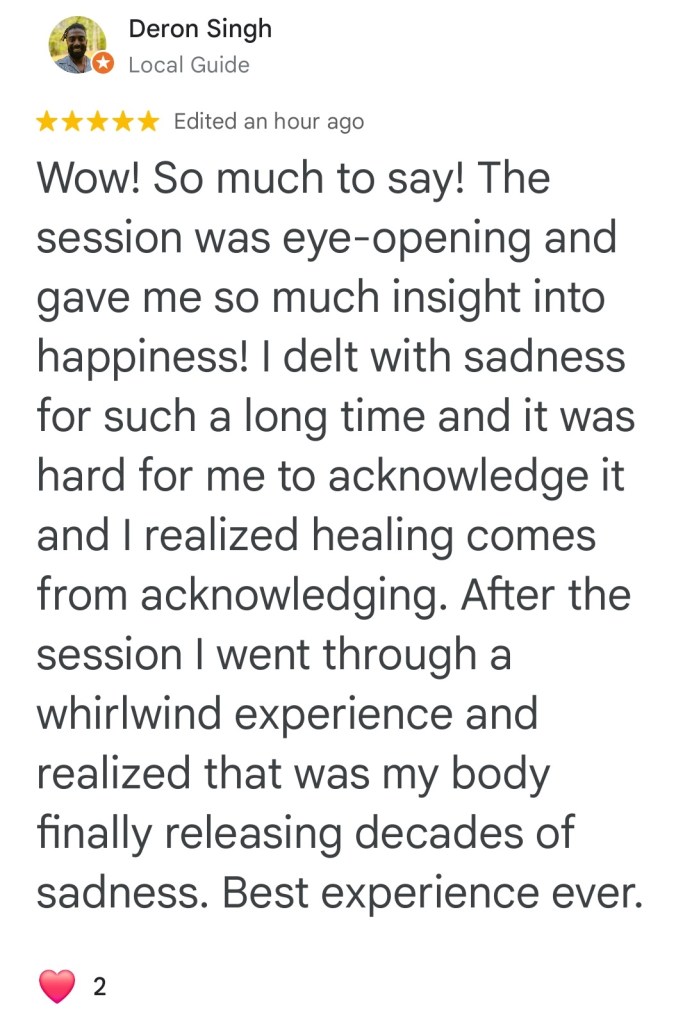
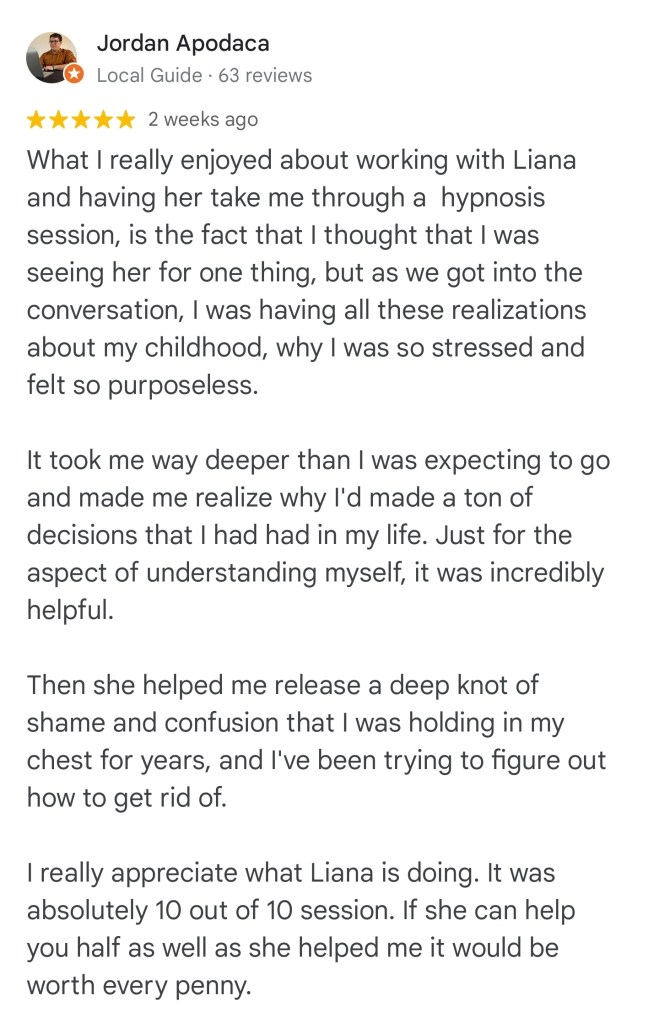
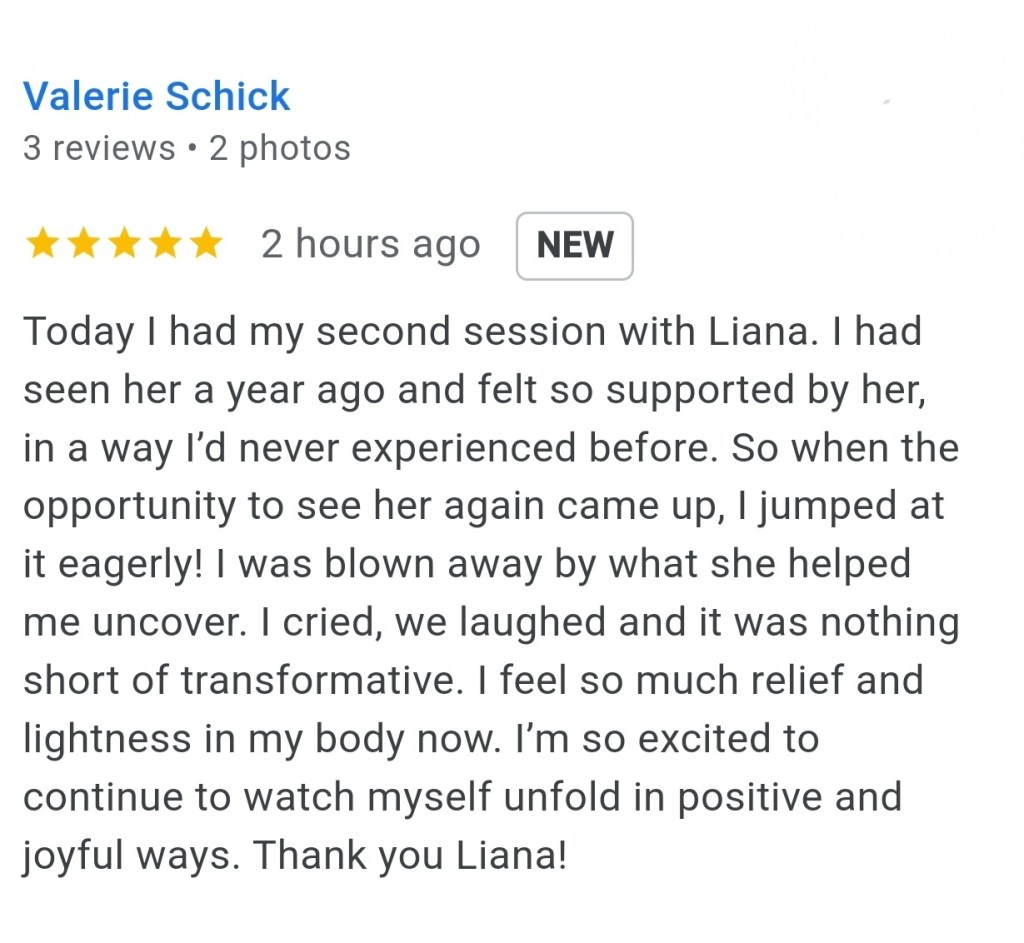
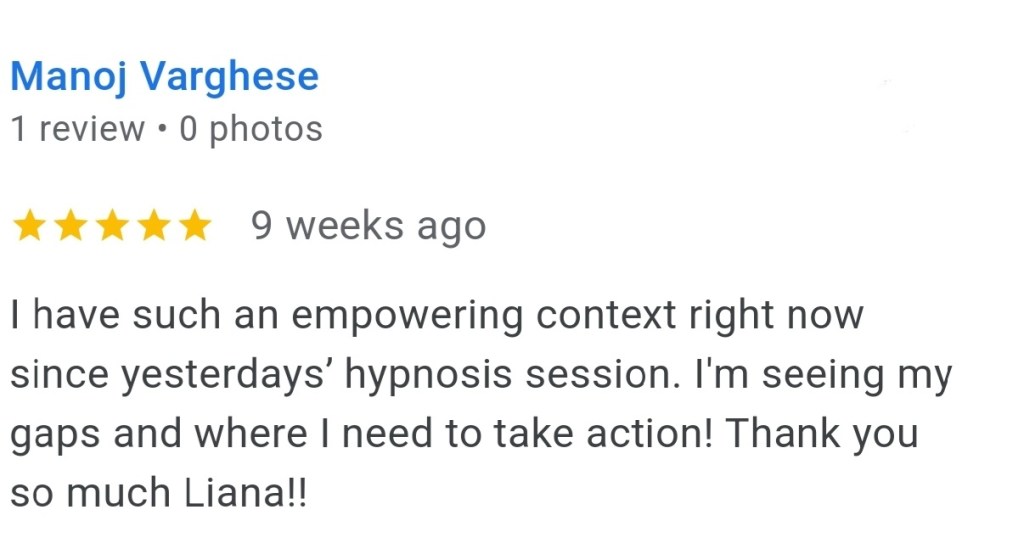
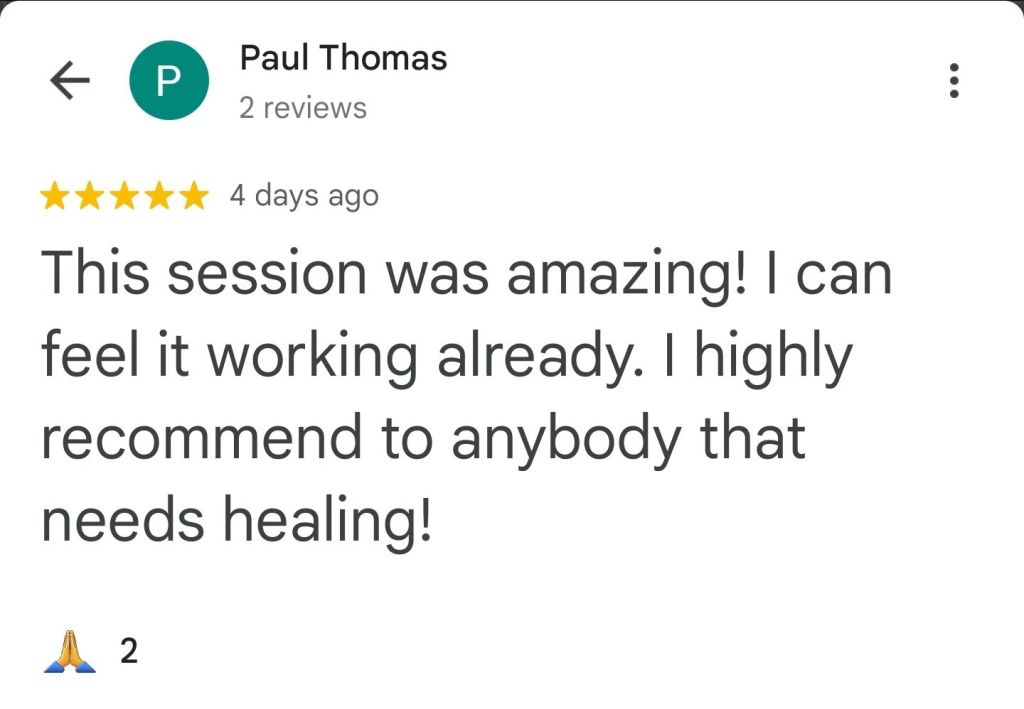
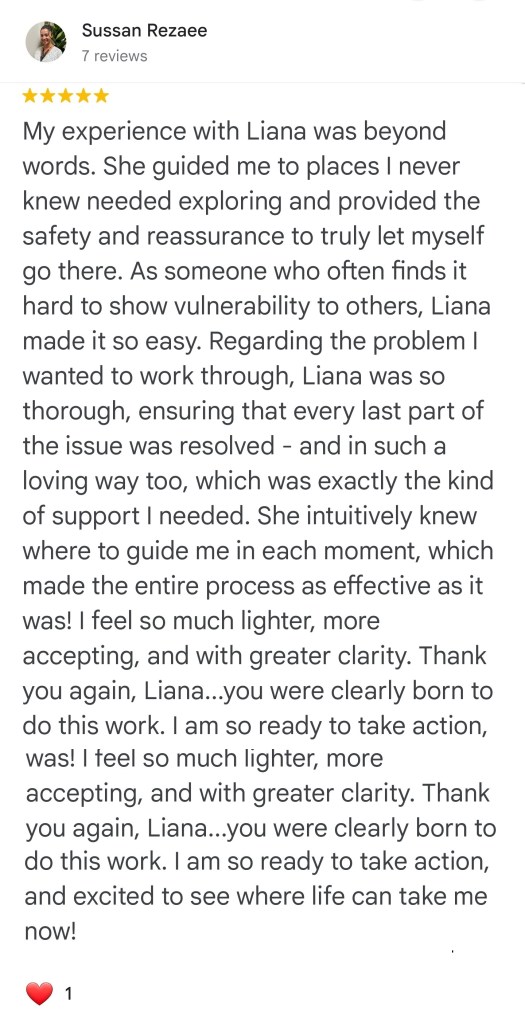
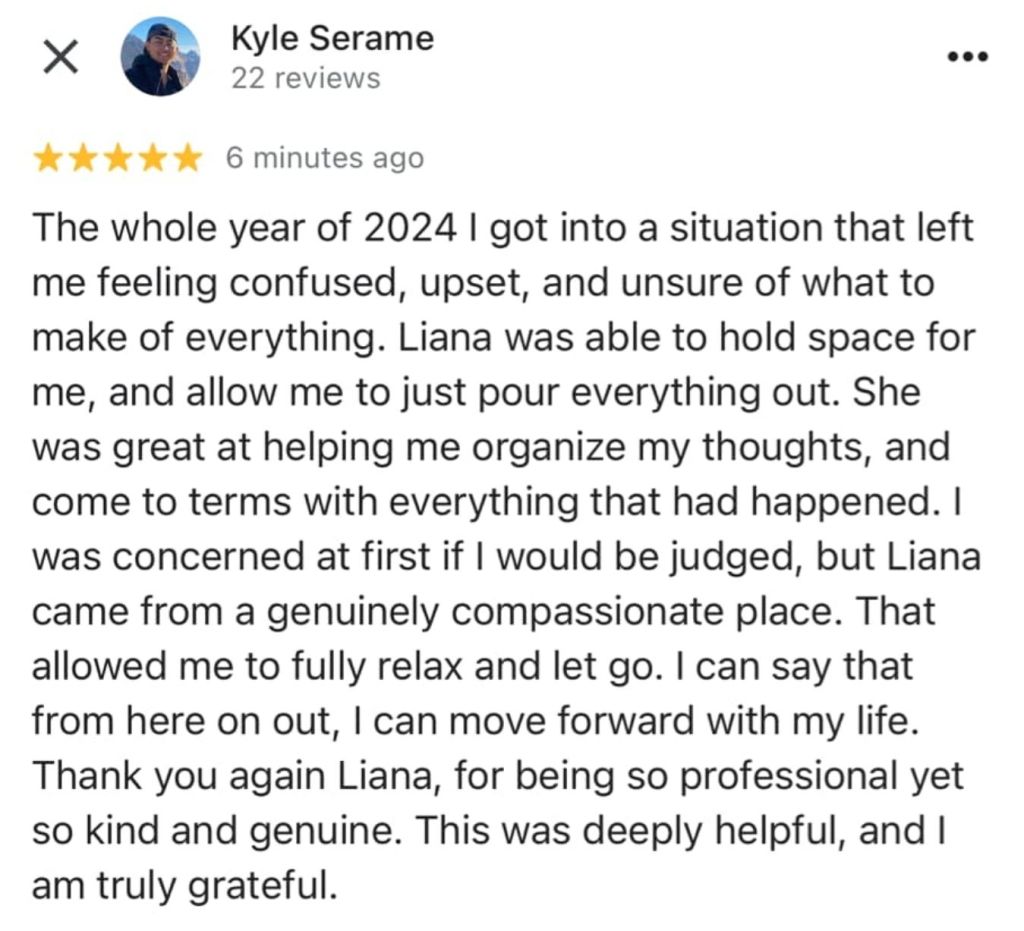
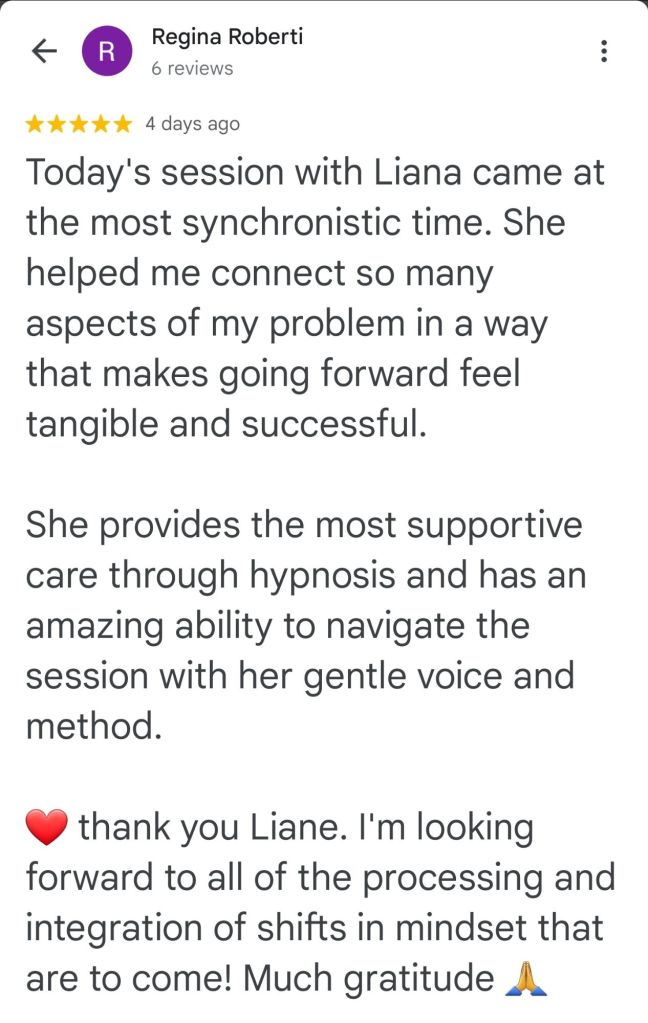
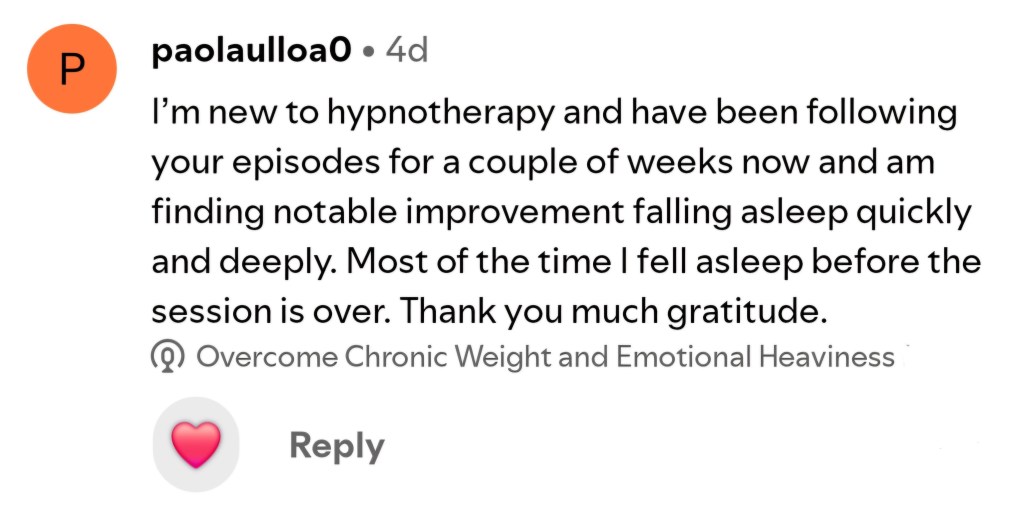
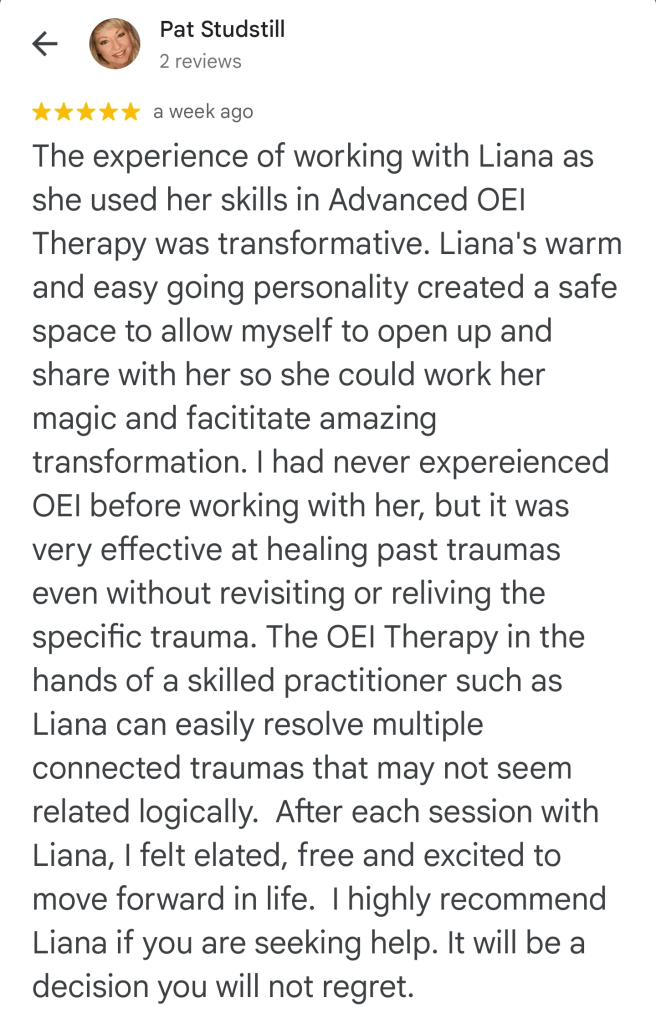
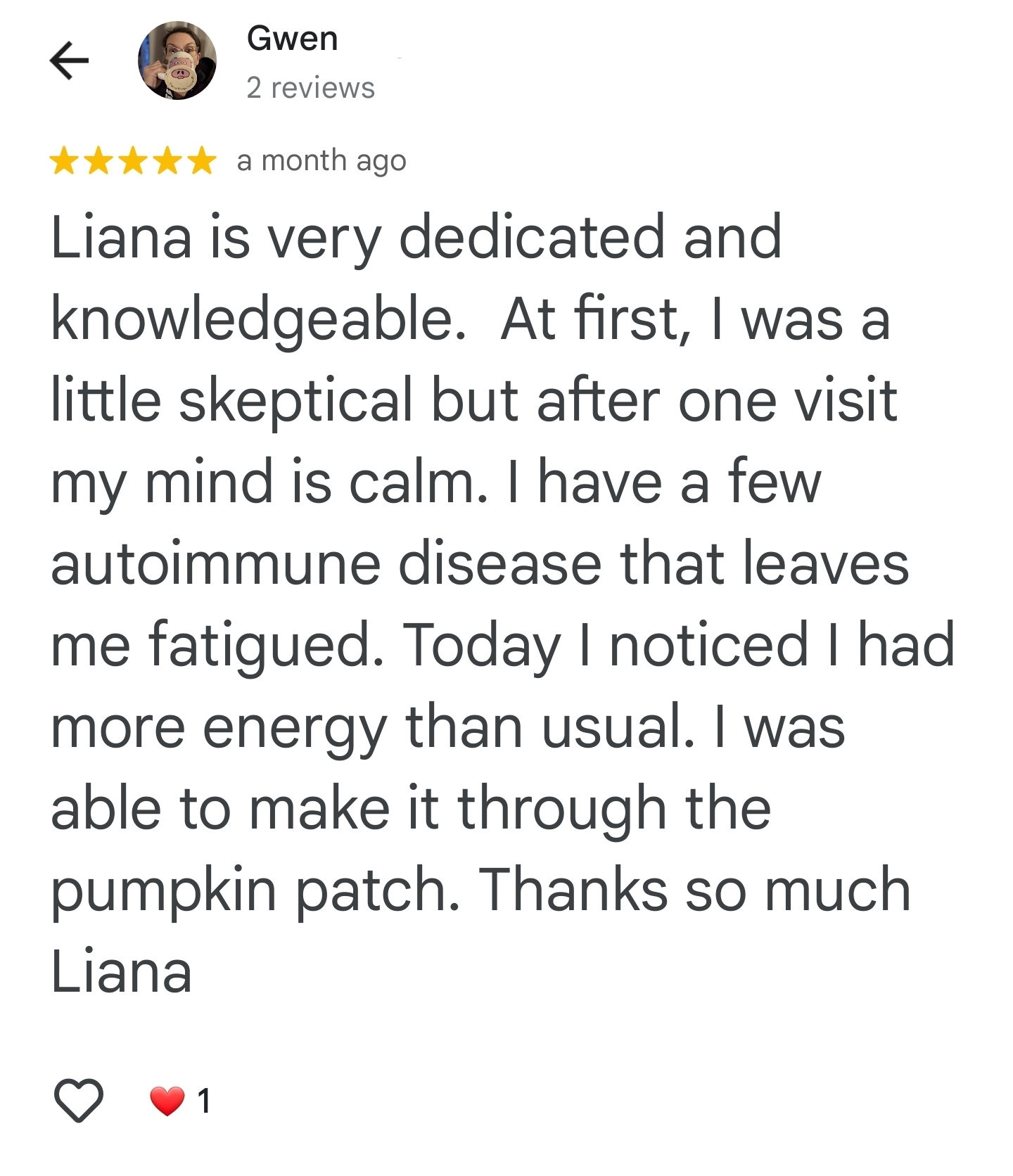
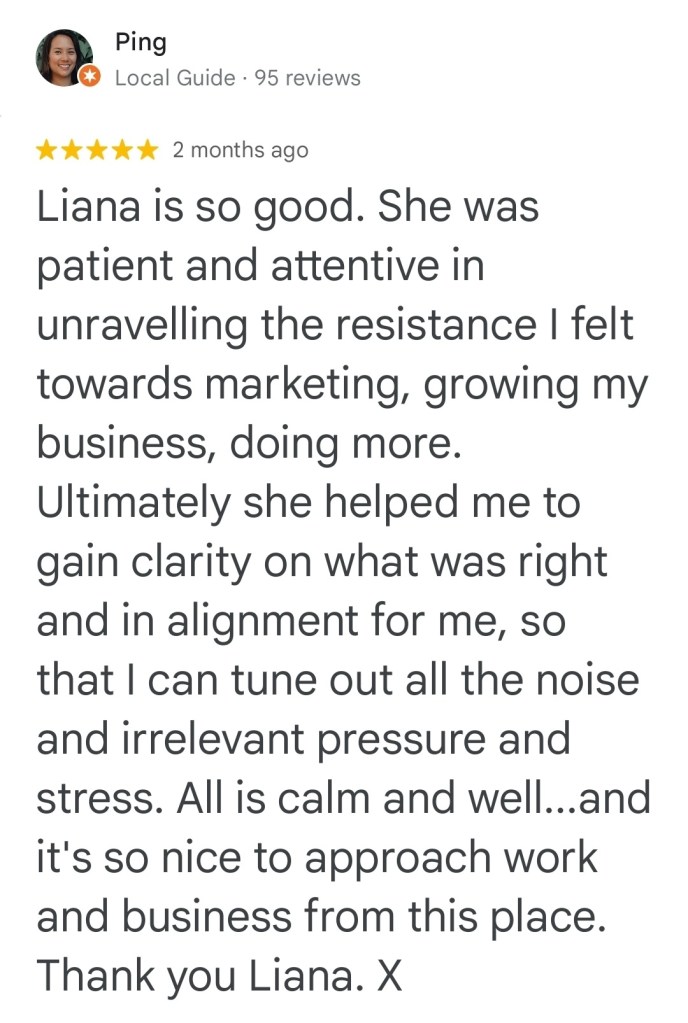
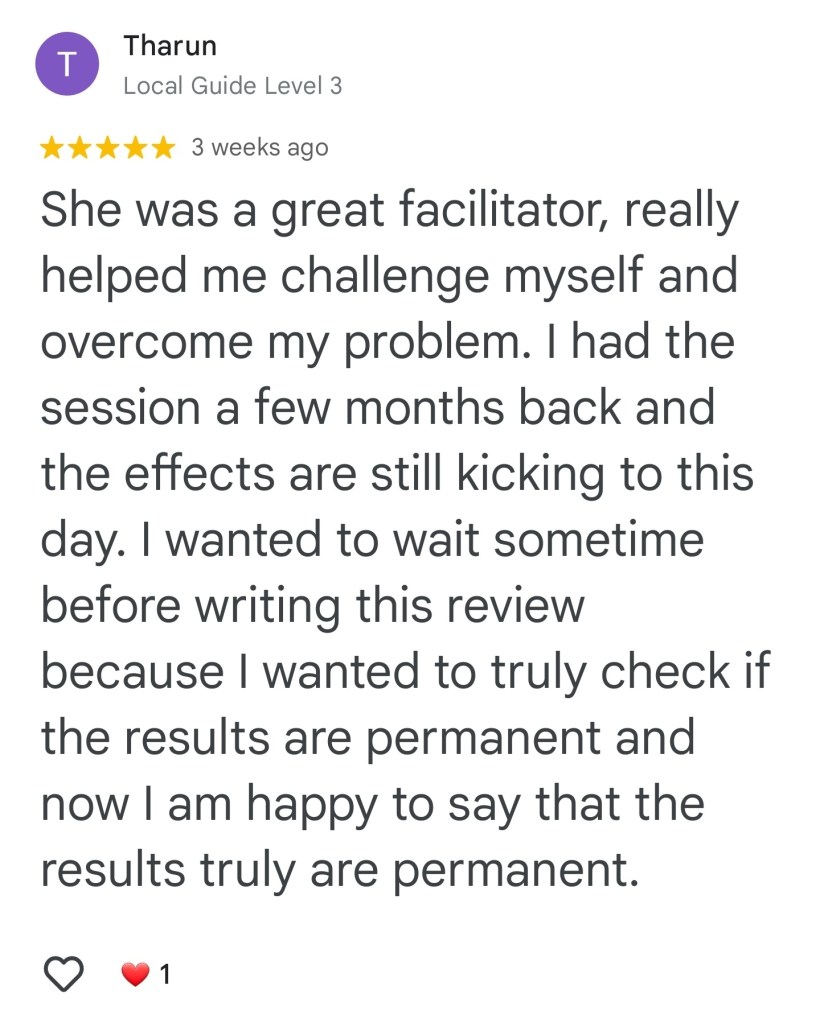
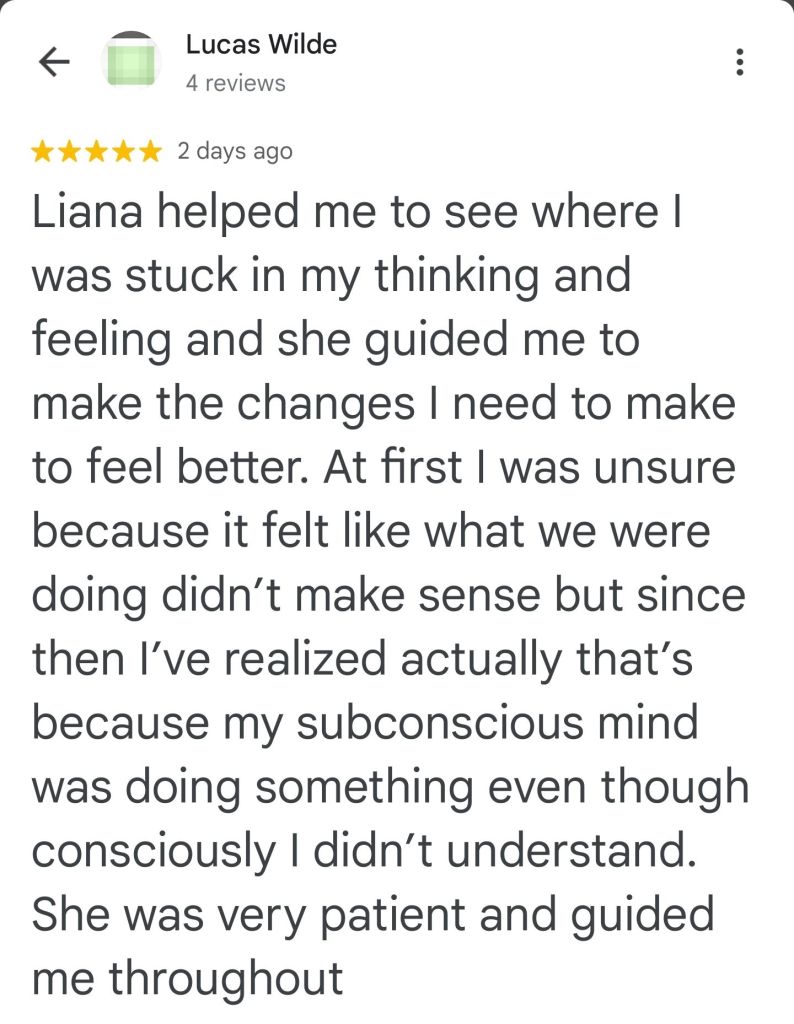
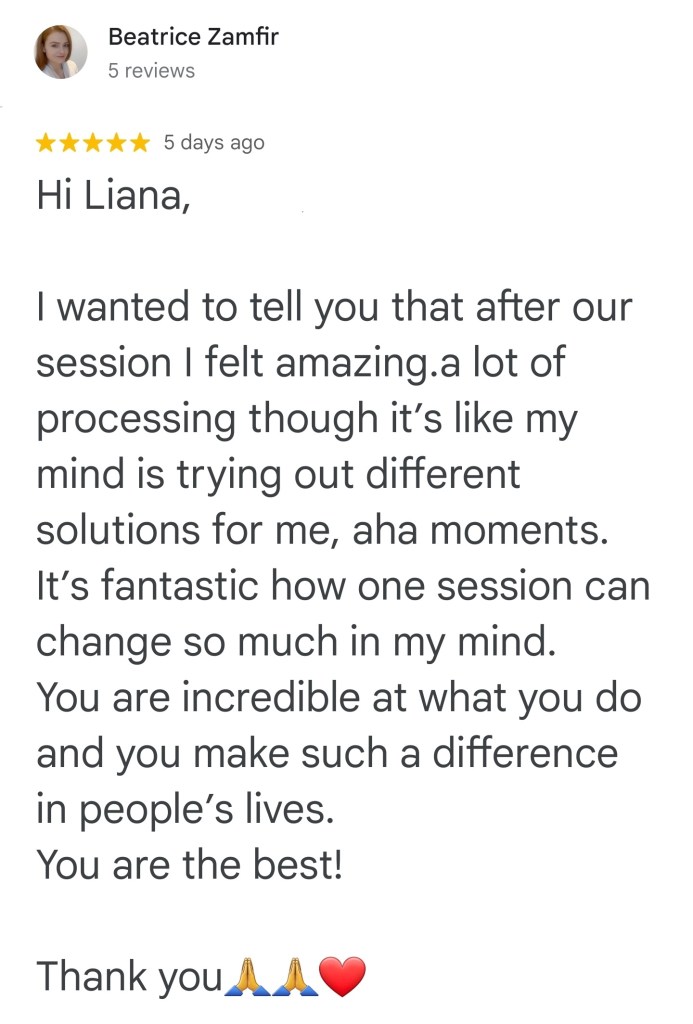
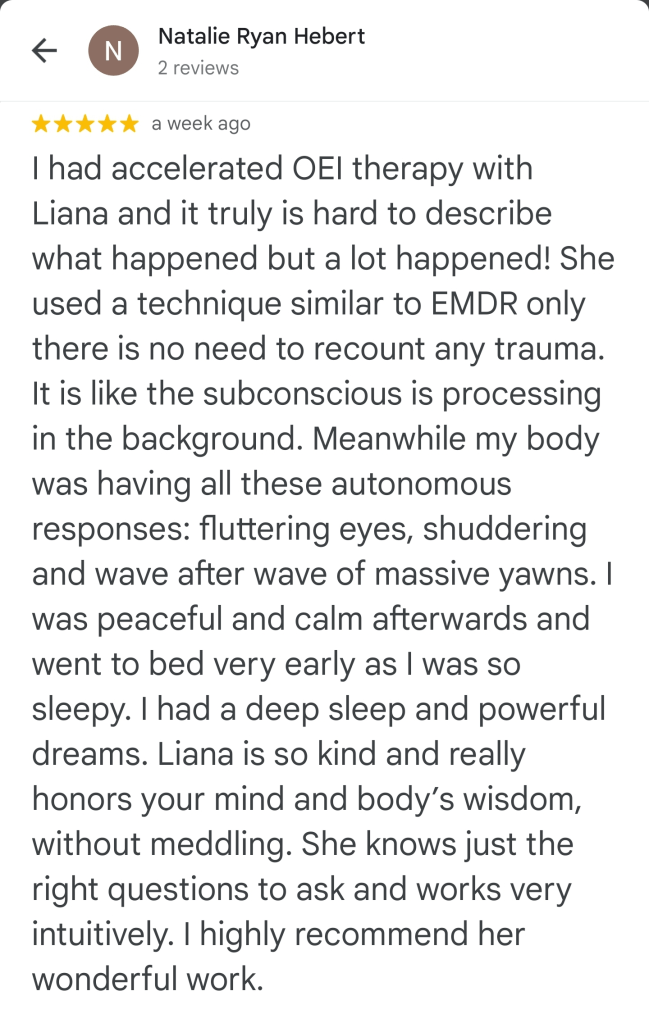
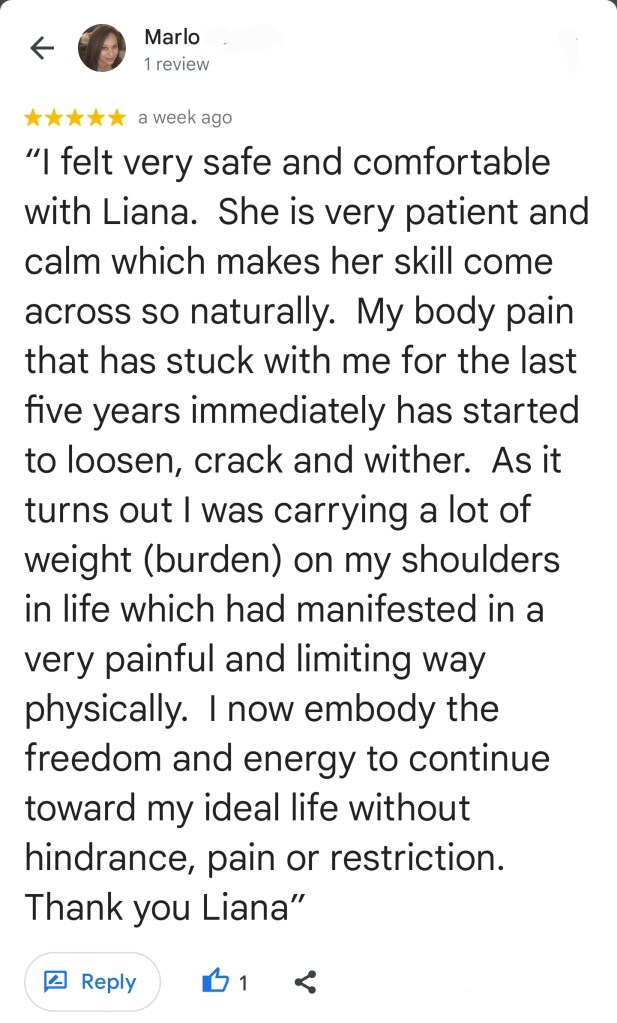
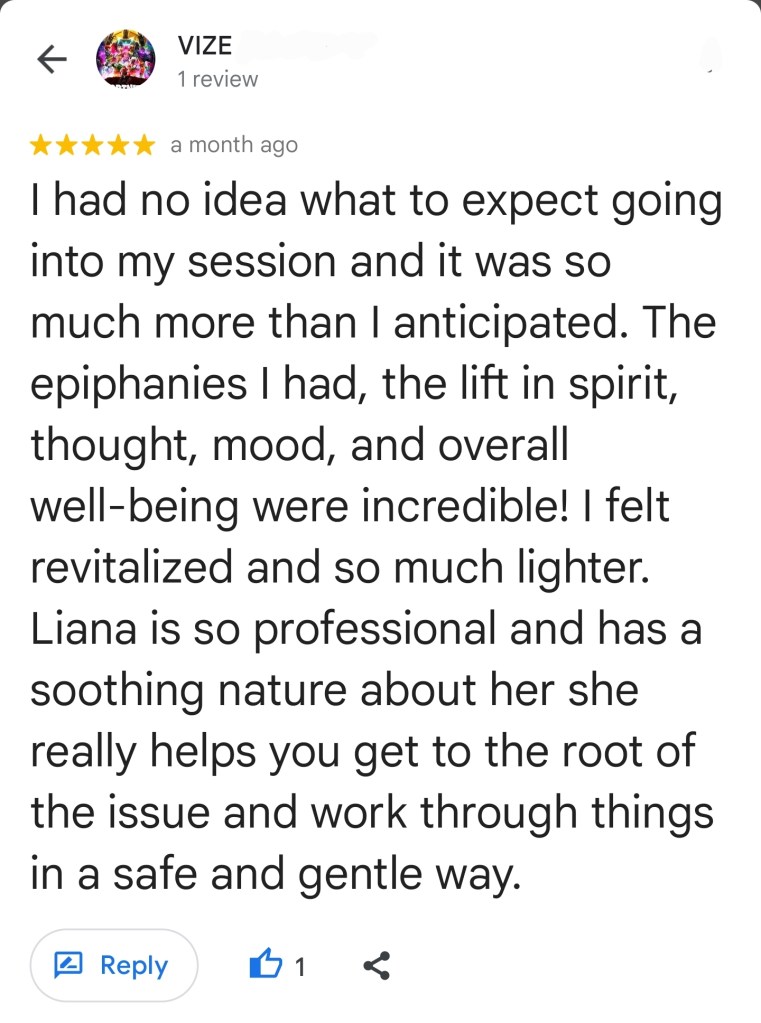
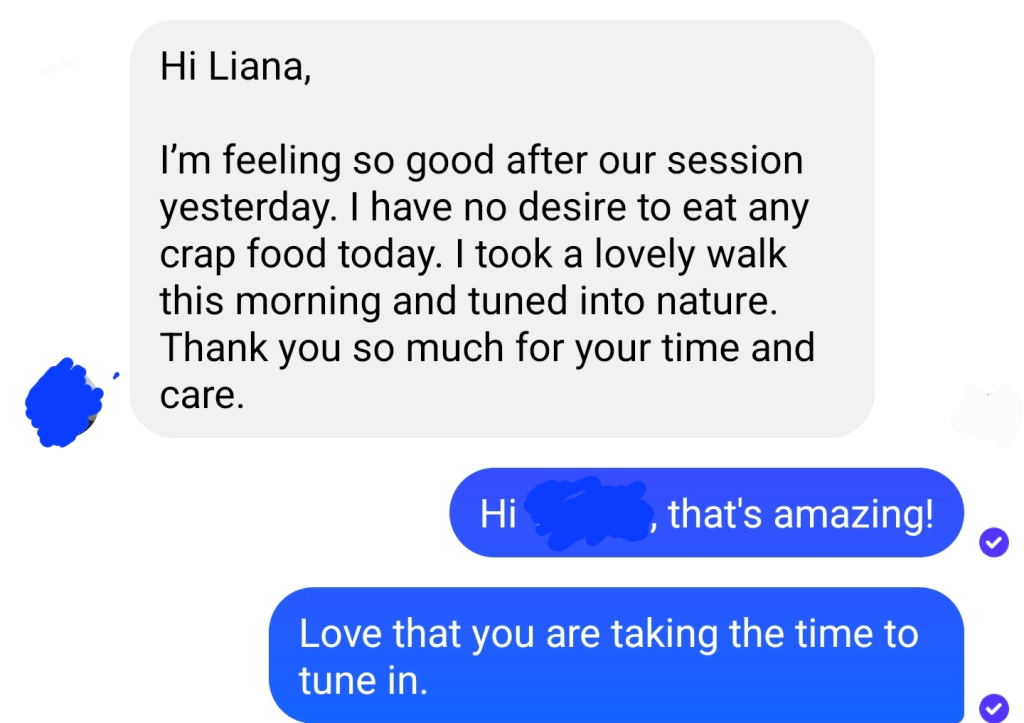
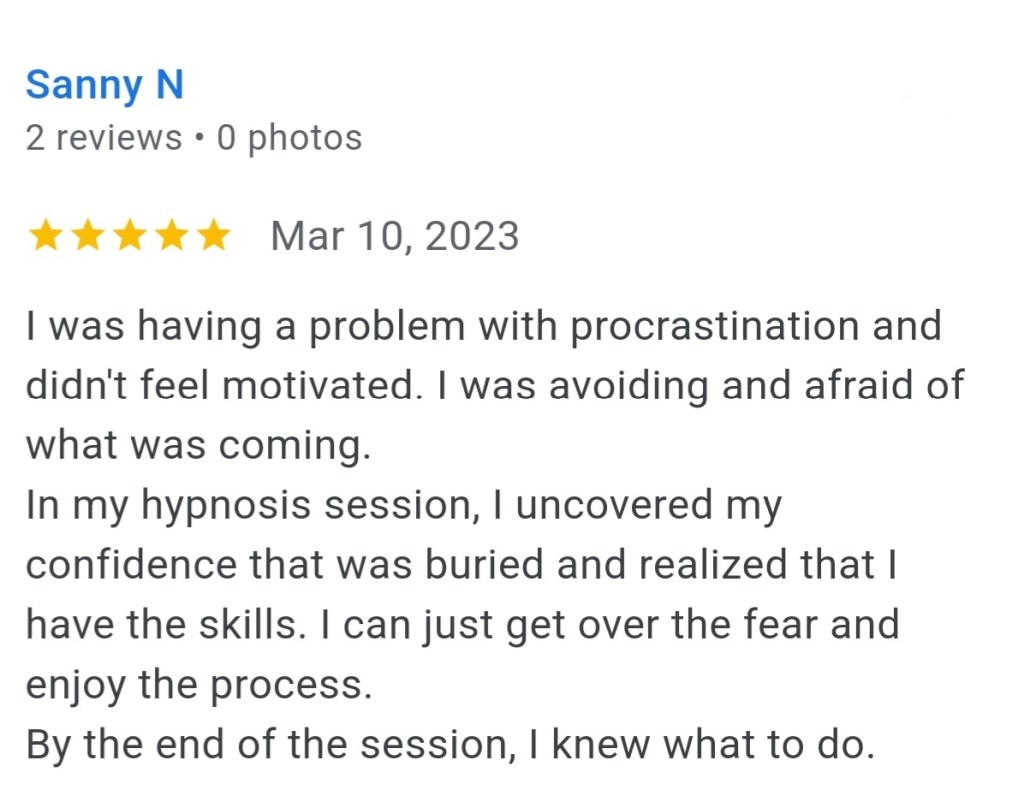
What Clients are Saying
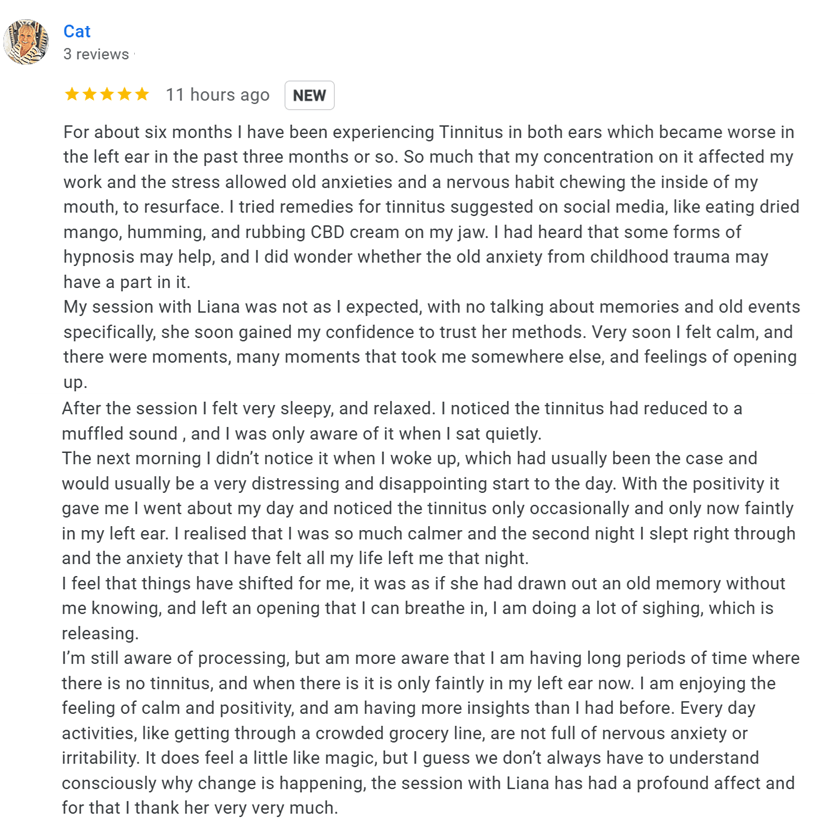
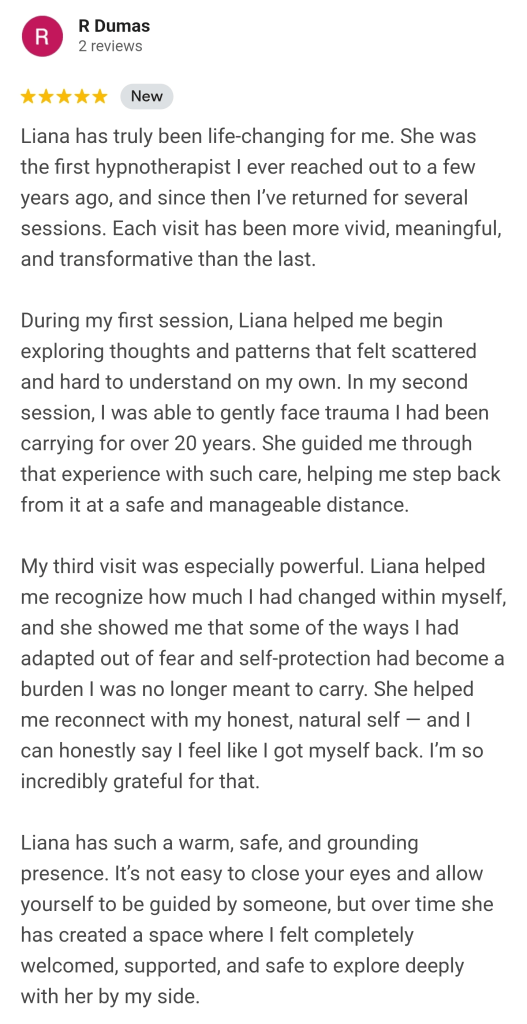


























 Accelerated Hypnotherapy - Rapid Results
Leave a comment