Category: Neuroscience
-
Why Self-Hypnosis Isn’t Enough to Heal Betrayal Trauma

Self-hypnosis can help with stress, but trauma is different. It lives deep in the nervous system and needs more than self-guided calm. Learn why trauma healing requires skilled support—and how trying to heal alone can keep you stuck in the past.
-
Betrayal Trauma Makes Everyday Tasks Feel OVERWHELMING

Trauma can make even simple tasks feel overwhelming. It’s not laziness—your brain is stuck in survival mode. You might feel frozen, overwhelmed, or unable to start, even the smallest of tasks. You might not have a motivation problem. This is how trauma can affect the brain. Understanding what’s really going on is the first step…
-
Is Hyper Independence a Symptom of Betrayal Trauma?

Hyper-independence can seem like a positive coping mechanism, but it’s often a trauma response. When people experience betrayal trauma and then feel like others aren’t safe, they rely only on themselves. This short article explains where hyper-independence comes from, how it shows up, and why healing is possible. If you’re tired of doing everything alone,…
-
The Neuroscience of Trauma and Memory Reconsolidation
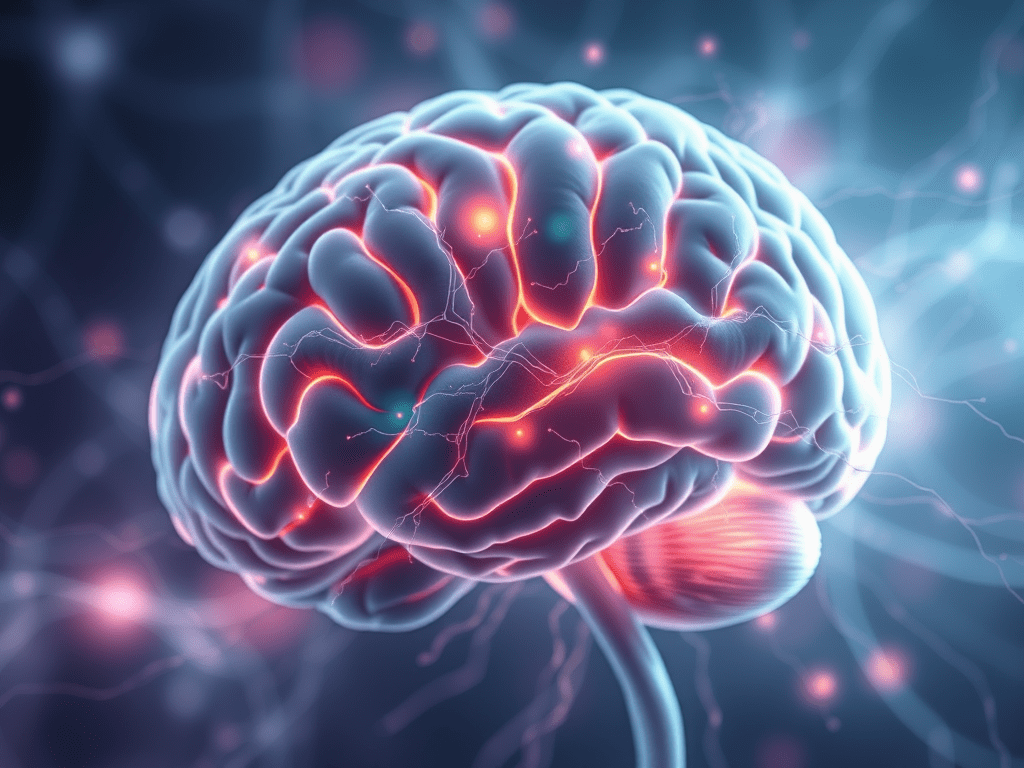
Memory reconsolidation means that when you recall a memory, it becomes flexible and can be changed. McGill research shows even traumatic memories can be updated. This helps explain why therapy can reduce the pain of trauma. With the right approach, memories lose their power, helping you heal and feel better.
-
Is Online Hypnotherapy Effective For Trauma?

Online hypnotherapy can be as effective as in-person sessions. The key is how your brain and nervous system shift, not your location. Virtual sessions let you work from home, feel safe, and control your environment. This makes deep healing possible, especially for trauma, anxiety, and negative patterns, with more privacy and convenience.
-
IS Your Lack of Motivation Covering Up Trauma?

Struggling with motivation or discipline isn’t always about willpower. Trauma can change the brain and lead to avoidance, low self-esteem, and trouble getting things done. Research shows that trauma is often behind these struggles. Healing and support-not just pushing harder-can help rebuild motivation and make it easier to move forward.
-
Do You Have to Remember to Recover From Trauma?

You can remember what happened and still feel stuck. Trauma lives in the body, not just the mind. Talking about it might bring back pain, but it doesn’t mean you’ve healed. Real recovery comes when your nervous system stops reacting like it’s still happening. This post explains why remembering isn’t the same as recovering—and what…
-
Trauma: Time Does NOT Heal All Wounds

People say time heals everything, but trauma doesn’t work that way. Trauma stays stuck in the body and nervous system, keeping you in survival mode. You might feel like it’s still happening, even years later. This article explains why trauma feels ongoing and what actually helps you start feeling safe again
-
Hypnotherapy for Rapid Trauma Healing

Hypnotherapy can support rapid trauma healing by calming the nervous system and helping the brain reprocess distressing memories—without re-living them. Learn how hypnotherapy works, why it’s faster for many people than talk therapy, and what to expect in a session.
-
How Does Hypnosis Work? A Neuroscience-Based Guide

Explore the neuroscience of hypnosis and how it reshapes brain activity. Discover how brainwave shifts, altered connectivity, and reduced cognitive resistance create a powerful therapeutic state. Backed by fMRI and EEG research, hypnosis is more than deep relaxation—it’s a measurable, brain-based process that enhances suggestibility, emotional regulation, and mind-body healing.
 Accelerated Hypnotherapy - Rapid Results