Category: Neuroscience
-
Finding Your Way Back to Healing After Betrayal Trauma

What if talking about betrayal isn’t enough to heal it? This article reveals how betrayal trauma impacts the brain and why subconscious-focused therapies like Accelerated Hypnotherapy offer deeper, faster relief. If you’ve been struggling with trust, emotional flashbacks, or self-doubt after betrayal—this is your roadmap to recovery.
-
A Neuroscience-Backed Look at Healing Trauma Memories
Discover how Accelerated Hypnotherapy can help rewire trauma memories using cutting-edge neuroscience. Based on Karim Nader’s research on memory reconsolidation, this article explores how hypnosis accesses the subconscious to ease emotional pain, reduce PTSD symptoms, and promote deep healing—without reliving the past. Learn how hypnosis offers a natural, transformative path to trauma recovery and emotional…
-
Beyond the Edge: How Trauma Shifts Hyperarousal, Hypoarousal, and Your Tolerance Zone

The “Window of Tolerance” is your calm zone—where you cope well. Trauma shrinks it, pushing you into hyperarousal (fight-flight, wired) or hypoarousal (shutdown, numb). These states, wired into the subconscious, dodge conscious control, driving automatic reactions like panic or detachment. Healing targets this hidden layer, where trauma’s echoes linger beyond willpower’s reach, reshaping responses at…
-
The Science of Hypnosis – fMRI & EEG Studies
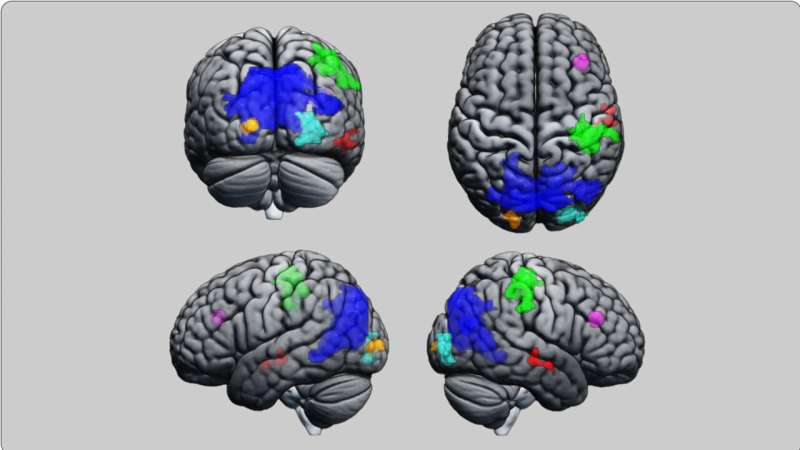
Recent brain imaging studies using fMRI and EEG confirm that hypnosis creates measurable changes in brain function. These include reduced cognitive control, enhanced mind-body communication, and decreased self-criticism. Such changes validate hypnosis as a distinct brain state—beyond simple relaxation or placebo—and explain its effectiveness in pain relief, behavioral change, and emotional healing.
 Accelerated Hypnotherapy - Rapid Results