Tag: health
-
Is It a Break Up or a Trauma Bond?

Trauma bonding traps survivors in addictive cycles mistaken for love. Explore two curated lists: early signs like love bombing and “soulmate” rushes, plus devastating symptoms from shame to exhaustion and withdrawal cravings. Gain clarity to break free—validate your experience, spot red flags, and reclaim safety with compassionate, nervous system-informed insights
-
How Hypnotherapy Helps “Severe” Tinnitus Distress – What Research Shows
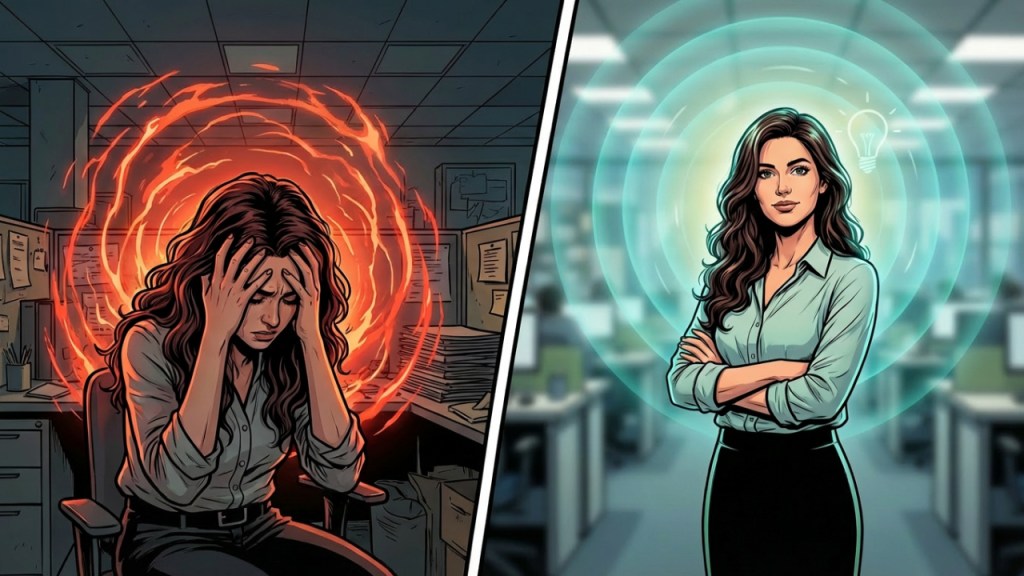
Discover how hypnotherapy severs tinnitus distress—not just ringing ears, but the anxiety, sleep loss, and overwhelm. Neuroscience-backed research shows 70-80% relief through hypnosis. Discover the tinnitus treatment that has reduce chronic tinnitus distress,, using hypnosis for tinnitus, when natural tinnitus and other common remedies for tinnitus did not work.
-
Trauma Recovery for Seniors

This gentle, practical guide helps seniors recognize how long-ago trauma may still be affecting sleep, mood, and health—and shows how healing is possible at any age. With simple, nonverbal, nervous-system-based tools, it offers hope, safety, and relief for older adults who don’t want to retell their story, but are ready to feel better.
-
How Shopping, Sex & Substance Abuse Can Rewire Your Brain

Trauma rewires your brain’s reward system, making quick fixes like substances, shopping, or sex more tempting. But fast relief is temporary and can worsen anxiety, guilt, and shame. Even marijuana, seen as harmless, can trap survivors in a cycle of anxiety. Trauma therapies help restore calm and make healthy coping feel rewarding again
-
What Happens in Your Brain After Betrayal Trauma

After betrayal trauma your brain’s alarm system gets stuck in the ON like Donkey Kong position, which affects memory, and ability to think clearly. Understanding these changes explains why you feel unsafe, hopeless and unable to move forward—and why calming the nervous system is key to healing.
-
Looking for Answers From Your Therapist? It Might Be Trauma

Have you ever been in therapy and just want your therapist to tell you what to do? If you’ve ever felt blocked, this is a survival response. Trauma blocks access to your decision-making brain. This article explains what’s really happening and why feeling stuck in sessions is common after trauma.
-
Trauma’s Surprising Effect on Motivation

If you struggle to finish simple tasks or feel unmotivated, it might not be a problem with discipline. Trauma—big T, or even small t—can overwhelm the brain and make even simple to-do tasks feel impossible. This article explains how trauma affects motivation and why it’s not a character flaw, but a nervous system issue.
-
How Breakups Can Affect the Brain—Especially After Childhood Trauma
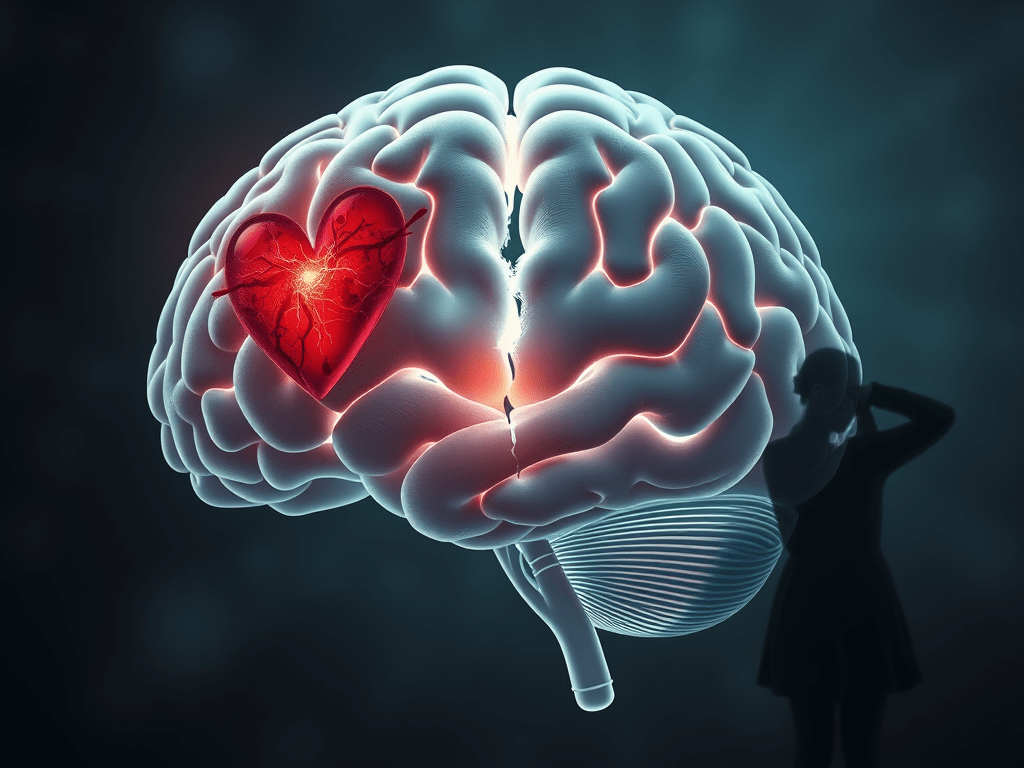
Romantic breakups can do more than break your heart—they can change your brain. Research shows that people with childhood trauma who go through painful breakups may have smaller hippocampus sizes, a part of the brain involved in memory and emotion. This article explores how trauma compounds over time and affects the brain.
-
Why Betrayal Trauma Can Lead to Weight Gain

Often weight gain after betrayal isn’t about food, exercise, or willpower. It’s a trauma response. Your body may be trying to protect you, stay hidden, or calm overwhelming emotions. This article explains how betrayal trauma can lead to weight changes and why it’s not just about habits—it’s about what is going on in your brain.
-
Why Visualization Does Not Get the Same Results as Hypnotherapy

Visualization and hypnosis are not the same. Visualization uses conscious thought and imagination. Hypnosis involves a shift in brain state and works with the subconscious. This article breaks down the difference so you understand why visualization alone may not lead to deep or lasting change.
 Accelerated Hypnotherapy - Rapid Results