Tag: mental-health
-
Why You Might Not Want to Make Your Partner Go To Couples Therapy After They’ve Betrayed You
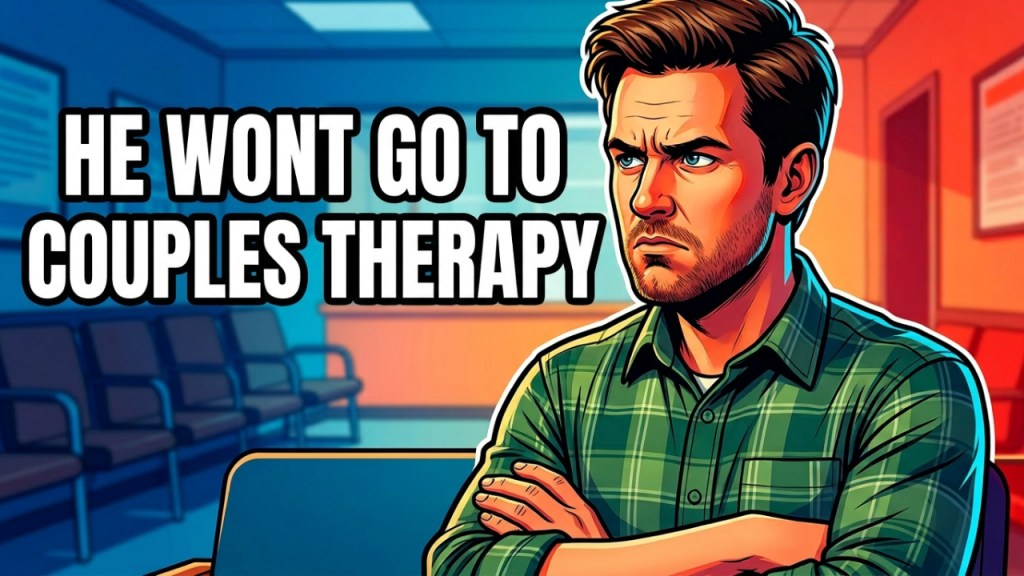
Struggling with betrayal trauma after infidelity? Discover why relying on your partner to change — or pushing couples therapy — may be keeping you stuck, and what actually helps you move forward.
-
Drama Bonding: Chaos That Feels Like Chemistry
If secure love and attachment feels boring but emotional highs feel magnetic, that’s drama bonding Drama bonding is what happens when your brain and body confuses intensity with intimacy. Instead of feeling close through safety, reliability, and trust, you start to feel bonded through conflict, drama, and emotional highs and lows. Right out of the…
-
Is It a Break Up or a Trauma Bond?

Trauma bonding traps survivors in addictive cycles mistaken for love. Explore two curated lists: early signs like love bombing and “soulmate” rushes, plus devastating symptoms from shame to exhaustion and withdrawal cravings. Gain clarity to break free—validate your experience, spot red flags, and reclaim safety with compassionate, nervous system-informed insights
-
How Hypnotherapy Helps “Severe” Tinnitus Distress – What Research Shows
Discover how hypnotherapy severs tinnitus distress—not just ringing ears, but the anxiety, sleep loss, and overwhelm. Neuroscience-backed research shows 70-80% relief through hypnosis. Discover the tinnitus treatment that has reduce chronic tinnitus distress,, using hypnosis for tinnitus, when natural tinnitus and other common remedies for tinnitus did not work.
-
Why Knowing Why Doesn’t Help Trauma

Insight alone can’t heal trauma. When betrayal or chronic stress strikes, the survival brain overrides logic, leaving talk therapy and endless analysis ineffective. This post explains why the “talking cure” falls short, how the body holds trauma, and what it really takes—regulation, safety, and brain‑based transformation—for genuine healing to begin.
-
Trauma Recovery for Seniors

This gentle, practical guide helps seniors recognize how long-ago trauma may still be affecting sleep, mood, and health—and shows how healing is possible at any age. With simple, nonverbal, nervous-system-based tools, it offers hope, safety, and relief for older adults who don’t want to retell their story, but are ready to feel better.
-
How Shopping, Sex & Substance Abuse Can Rewire Your Brain

Trauma rewires your brain’s reward system, making quick fixes like substances, shopping, or sex more tempting. But fast relief is temporary and can worsen anxiety, guilt, and shame. Even marijuana, seen as harmless, can trap survivors in a cycle of anxiety. Trauma therapies help restore calm and make healthy coping feel rewarding again
-
The Real Reason You Feel So Hopeless After Being With a Narcissist

Narcissistic abuse changes how you think, feel, and see yourself. These 16 signs of narcissistic victim syndrome show the emotional and psychological toll it takes, including anxiety, hypervigilance, and loss of identity. Understanding these 16 signs can help you recognize the effects of abuse and help you rebuild trust in yourself and your relationships.
-
Why You Stay Stuck in Betrayal Trauma

Your brain doesn’t move easily on after betrayal. Neuroscience shows betrayal trauma hijacks memory, focus, and your ability to feel safe. This article breaks down why your brain stays stuck and what it really needs to heal. If you’ve felt foggy, hyper-alert, or emotionally frozen after betrayal, your brain is ready to heal itself in…
-
What Happens in Your Brain After Betrayal Trauma

After betrayal trauma your brain’s alarm system gets stuck in the ON like Donkey Kong position, which affects memory, and ability to think clearly. Understanding these changes explains why you feel unsafe, hopeless and unable to move forward—and why calming the nervous system is key to healing.
 Accelerated Hypnotherapy - Rapid Results