
What is hypnotherapy and why is it effective?
What is hypnotherapy?
At its core, hypnotherapy is a focused state of awareness where your brain becomes more flexible to new ways of being, thinking, and doing.
Hypnosis is an effective, clinically recognized therapeutic approach supported by research in neuroscience and psychology.
Inside of a deep focused state, your brain cools and calms down and can process information in ways it normally can’t during stress or trauma.
This is what makes hypnotherapy effective for addressing anxiety, trauma, chronic pain, phobias, and even sleep disorders.
The science behind hypnotherapy
Neuroscience research shows that hypnosis changes brain activity.
Using fMRI scans, researchers have found increased connectivity between regions that regulate attention, awareness, and self-control. This means the brain under hypnosis becomes better at focusing inward, tuning out distractions, and shifting emotional responses.
Other studies highlight how hypnosis can reduce pain perception, lower stress hormones, improve health, sleep quality and quality of life.
It’s not just relaxation—it’s a measurable shift in brain function.
What does hypnotherapy help with?
Hypnotherapy has been studied in many areas of mental and physical health. Common evidence-based uses include:
- Trauma and post-traumatic stress symptoms
- Anxiety and panic
- Insomnia and disrupted sleep cycles
- Irritable Bowel Syndrome (IBS)
- Chronic pain conditions
- Smoking cessation and habit change
- Phobias
Studies have reported strong evidence for hypnosis in treating anxiety and stress-related disorders. A review of a number of studies showed improvements in quality of life and sleep quality for individuals with chronic insomnia.
Why hypnotherapy works when nothing else has
My clients have tried everything, Insight, understanding, positive affirmations, talk therapy, psychedelics, but nothing has quite got them across the line.
That’s because until you cool down your brain and body that is on fire, nothing will work.
You can tell yourself you’re safe, but your body doesn’t always listen.
Logic can’t fix emotion.
Hypnotherapy helps by working with the subconscious mind, where those automatic patterns and trauma imprints live.
Instead of thinking your way out of fear, hypnosis helps calm the nervous system and reset the nervous system so the body feels that safety is possible again.
This is especially important for trauma.
When the brain’s alarm system (the amygdala) is stuck full ON, no amount of willpower, reasoning, or talk therapy can shut it off.
Hypnosis creates the conditions for that system to quiet down, making healing possible.
Is hypnotherapy safe?
Yes. Hypnotherapy is considered safe when conducted by trained professionals.
You are in control.
You can pause or stop at any time.
The process is collaborative, and most individuals describe it as calming and empowering.
FAQs about hypnotherapy
Is hypnotherapy evidence-based?
Yes. Hundreds of studies and peer-reviewed studies support its effectiveness for anxiety, trauma, pain, and sleep.
How many sessions does it take?
Clients experience amazing changes in a few sessions and continue to reinforce new behaviors and rewire the brain.
Can I be hypnotised?
Have you ever found yourself daydreaming? I think everyone can enter a hypnotic state as long as they are open and willing. You might feel resistance to a generic hypnosis script, which means that the method that uses scripts that focus on surface level symptoms probably won’t work for you. But like everything, there are different kinds of hypnosis, and different levels of skill.
If sleep problems are your main concern, read Hypnosis for Insomnia and Sleep Quality.
Let’s connect.
Listen, are you breathing just a little and calling it a life?
-Mary Oliver
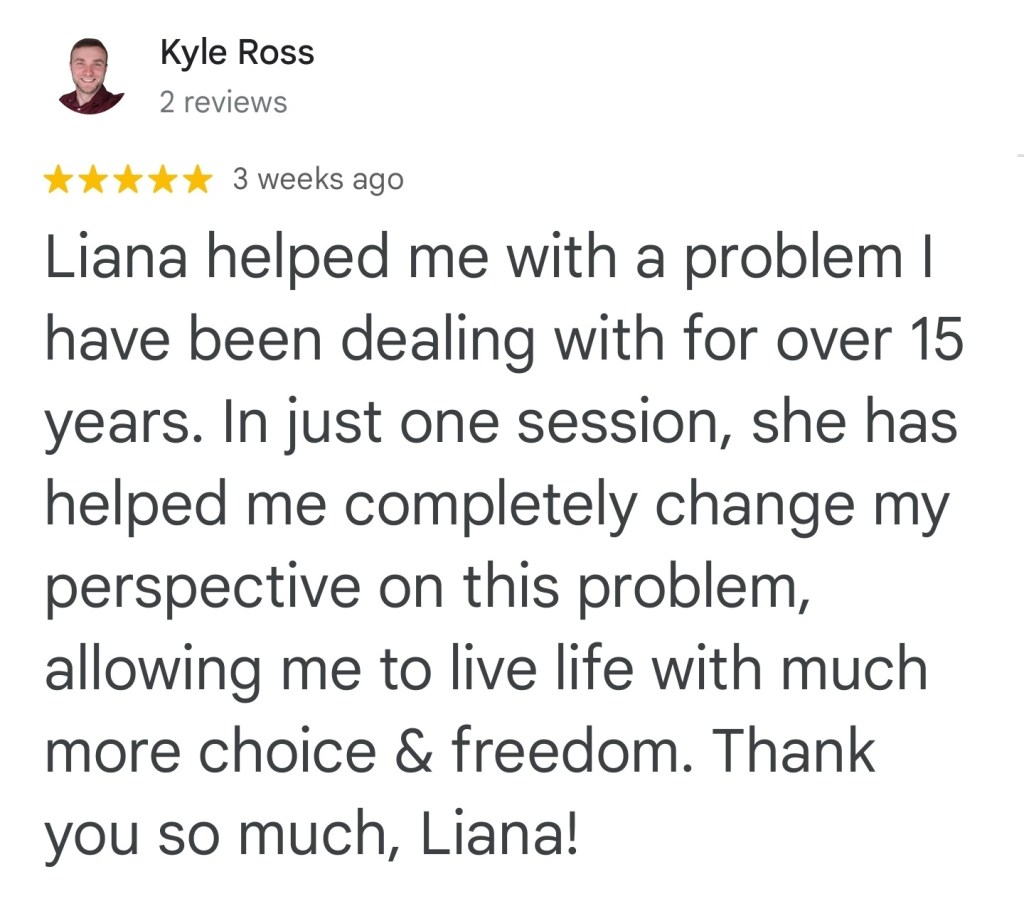



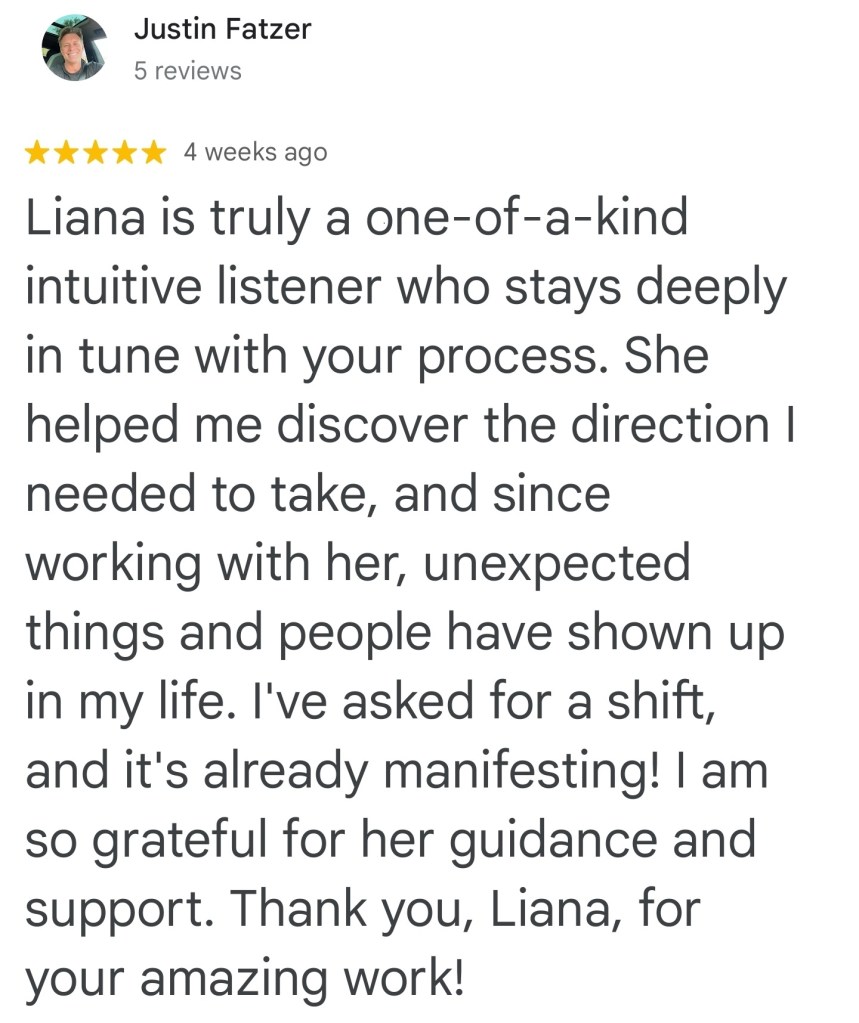



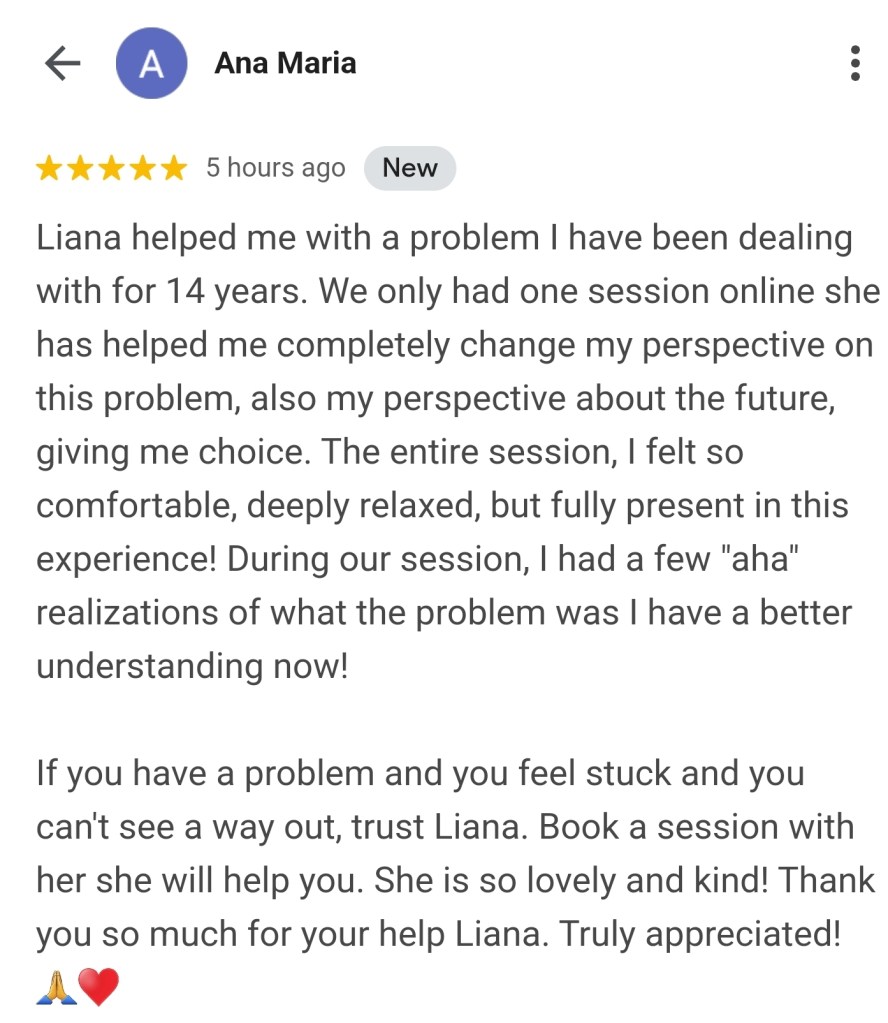











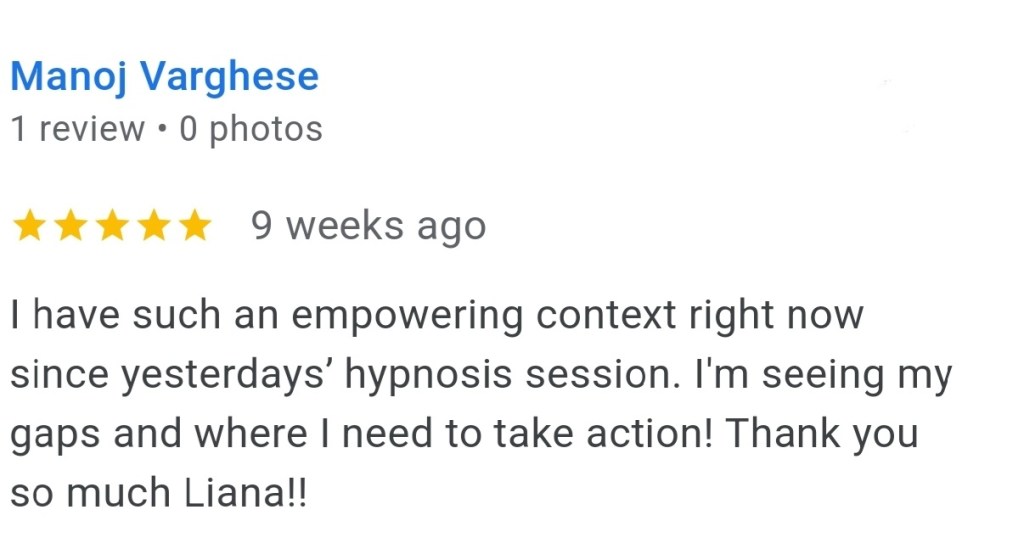






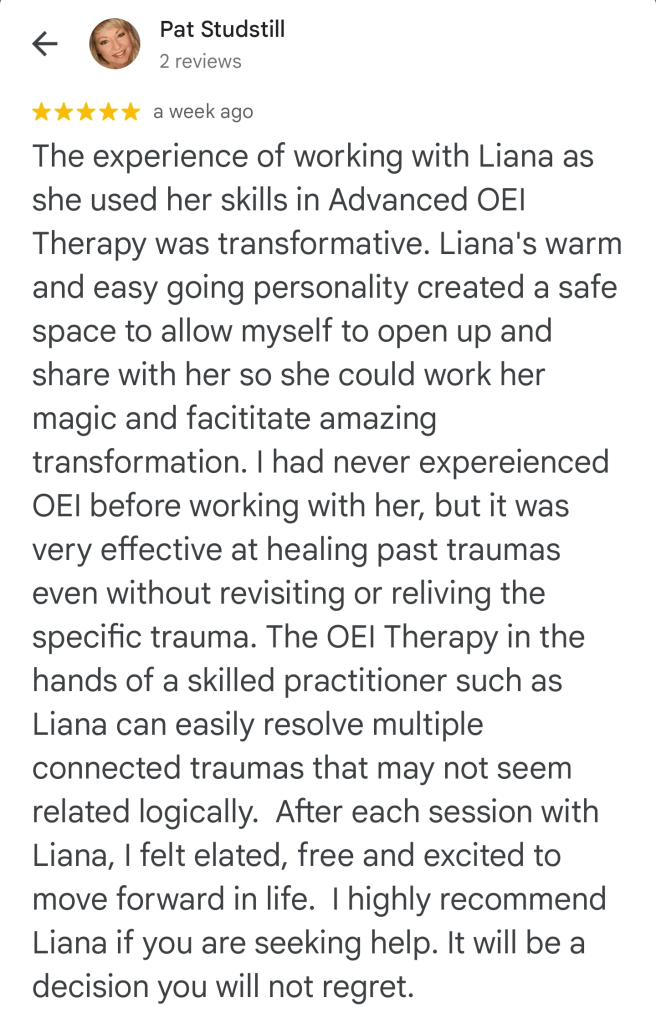






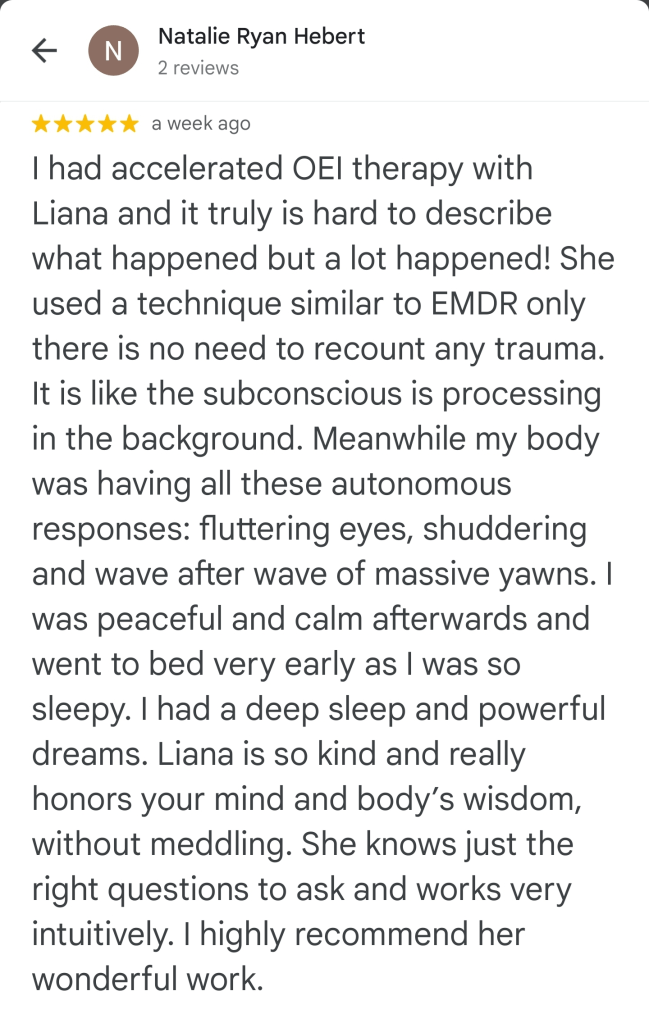









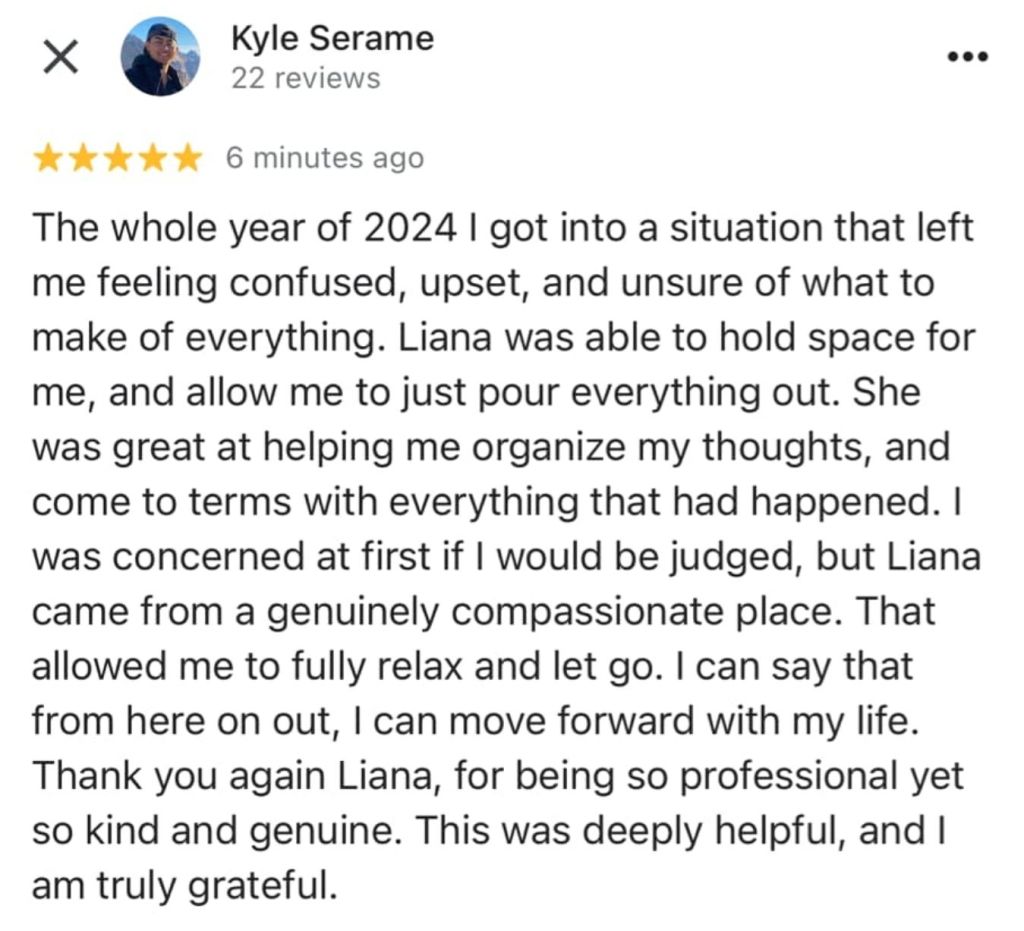

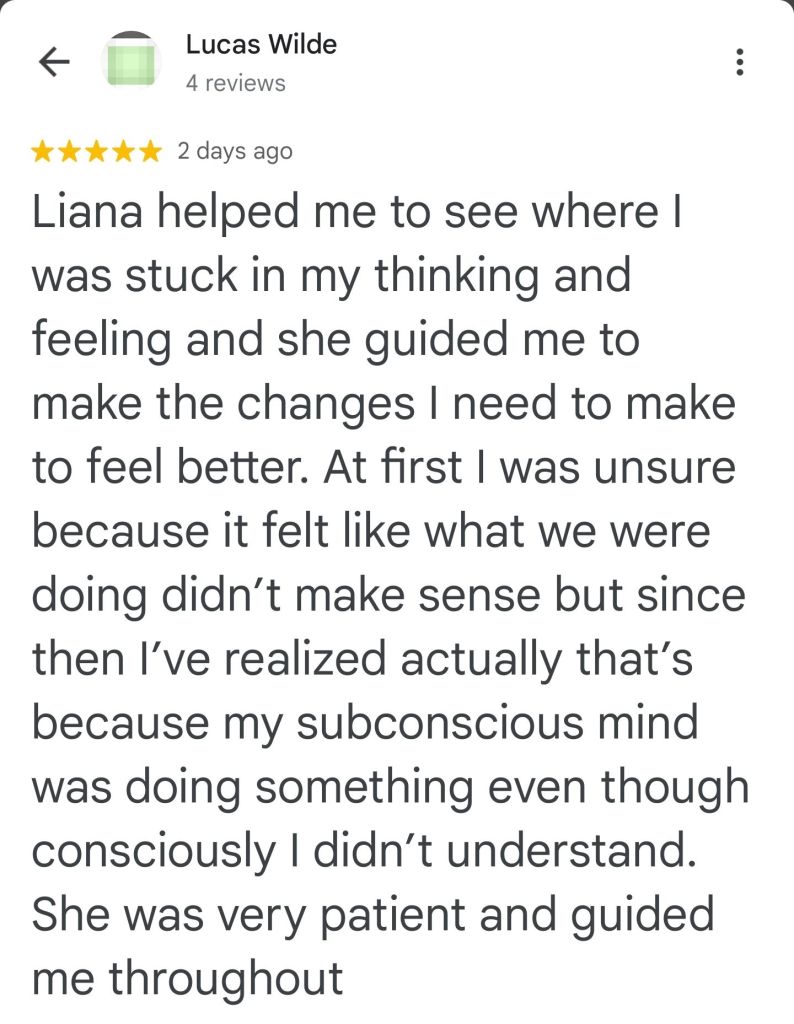




 Accelerated Hypnotherapy - Rapid Results
Leave a comment