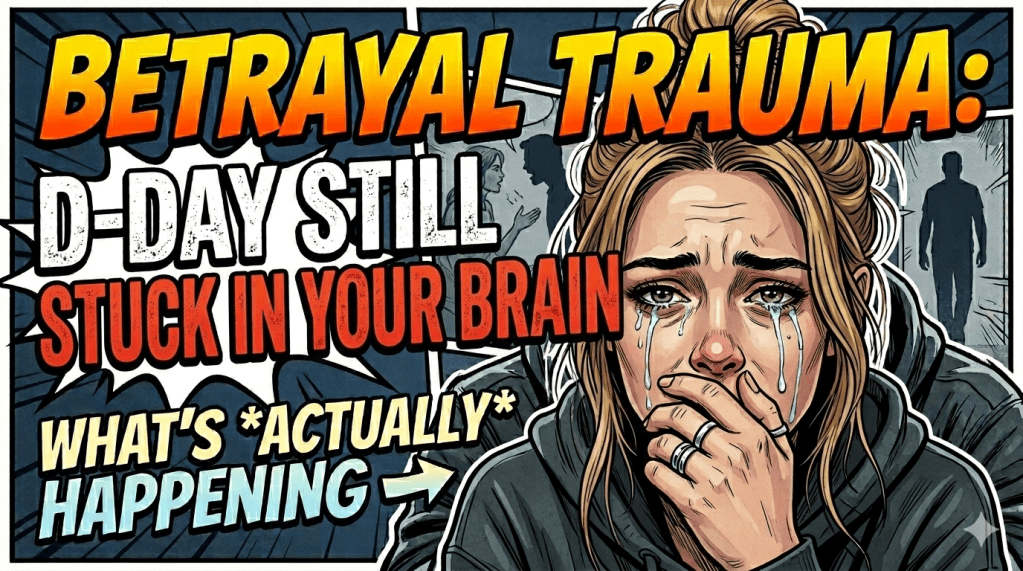
Betrayal vs. Betrayal Trauma: Why Time Isn’t Healing Your Betrayal (And What Your Brain Needs to Finally Move On)
What if betrayal trauma isn’t actually what you think it is?
And what if the reason that you still feel stuck isn’t because you’re broken, but because your brain never got the chance to process what happened?
In this article, I’m breaking down the difference between betrayal and betrayal trauma from a neuroscience perspective.
If you’ve ever felt like your body is still holding onto something that your mind can’t fully explain, you feel stuck or triggered AF, this will help you see why not all betrayal is traumatic.
Why Some Betrayals Hurt (But Don’t Become Trauma)
Betrayal is when there’s been a violation of trust by someone that you relied on or just expected better of.
It can be things like a friend to whom you told something in confidence or when you found out that your partner told you a white lie about something small.
It can happen at work where things might be unfair, and there’s a sense of being affected emotionally by intentional or unintentional things – that someone should have or shouldn’t have done.
But not every betrayal has the impact of trauma because it might be a toxic workplace, but you’ve learned the signs. You don’t trust nobody, and you’ve just learned to deal, create bigger boundaries, etc.
That’s betrayal. When you can have the resources to handle it.
How Betrayal becomes Betrayal Trauma
But when you don’t have the resources to deal with the experience, it can become overwhelming to you and your brain.
If you don’t have that resilience to handle what’s happened, that’s when betrayal becomes traumatic.
If you’ve been able to deal with the experience and put it into the past and you’ve felt that sense of completion, that you’ve resolved things, that’s betrayal.
But if you feel like you’re still stuck in the past, your mind is still holding on to what happened and there’s been long-term psychological harm. This is where betrayal becomes betrayal trauma, and your brain starts to become overwhelmed.
Like when you’re a child, trauma can be created when someone that you trust for survival, like a parent or a caregiver, or if you have a partner that you depend on, especially if you’re financially dependent on them.
If you depend on them for emotional support, for safety or wellbeing, and that trust has been violated, this is betrayal trauma.
It might have been infidelity or a big deception in a relationship. And that dependence on the other person is what creates the trust that causes dependence.
The deep sense of trust is what causes the significant psychological harm when that person betrays you.
It might be from the past, like adverse childhood experience or infidelity or or ongoing deception by a partner.
Betrayal trauma can also happen in the workplace where the institute or the organization isn’t keeping their employees or their members safe in a way that’s a violation of their safety, in a way that is ongoing.
Betrayal trauma is really about the relationship that you have with the person who’s betrayed you. The betrayal doesn’t come from a stranger or some random event, but it comes from someone that you relied on for safety.
And that kind of betrayal creates deep wounds that don’t heal easily. These experience overwhelm your entire system and you don’t feel safe in the world. It’s left you questioning who that person is and eventually, who you are.
And if it’s left unchecked, you might start to develop symptoms of PTSD:
- Hyperactivity in the emotional part of your brain
- Hypersensitivity where you are always triggered AF
- Hypervigilance, where you’re on edge, you’re jumpy, you startle easy. It’s like you’re walking on eggshells, wondering when the other shoe will drop.
You might even feel bad when you feel happy or when you catch yourself smiling because you’re afraid that something bad is gonna happen if you start feeling things again. You feel safer when you feel numb.
You might be having flashbacks, intrusive thoughts that lead to rumination and intense bad feelings in your body, that keep you feeling stuck.
The Neuroscience of Betrayal Trauma: What Happens in Your Brain on D‑Day
You cannot get past what’s happened because your brain is actually stuck. Because every time your brain goes to process the experience and tries to put it into the past, tries to put the story in the past tense and create a memory of it, your brain gets so overwhelmed by the experience.
So your brain is not able to work on the experience to file it away. So the betrayal stays in the present tense like it’s happening right now.
This is why you will keep experiencing random flashbacks and those bad feelings that you had on D-Day, the day you discovered your husband was cheating and that you were being betrayed.
Betrayal Trauma Symptoms: Why You’re Triggered AF and Can’t “Just Move On”
The difference between betrayal and betrayal trauma is that there’s that dependence on the person who betrayed you.
There’s often a power imbalance like your parent or boss, or it could be a husband who controls the finances and is tripping.
If you’re in a situation where you’re financially dependent, like a child who can’t leave, and you feel trapped in the betrayal, both emotionally and physically.
Betrayal trauma involves that high level of dependence, like financial dependence, the emotional dependence, where your safety or survival depends on someone else in a way that their betrayal becomes traumatic and it’s severe.
If the betrayal is persistent, as opposed to something random like an accident, it becomes severe because the betrayal continues, and it starts to become complex.
Betrayal trauma affects trust and attachment because it creates uncertainty about the future and future events.
The reason that you feel stuck is because trauma affects the way your brain is able (or actually not able) to process this memory, to process this experience and put it into memory, to put it into the past.
And there might be an element of dissociation as an adaptive response to deal with what’s happening, especially when it’s ongoing, when it’s something that keeps repeating.
Your brain is responding very differently to trauma than to fear-based traumas or life-threatening trauma because betrayal is relational, so it affects your sense of safety, of reality. Eventually, betrayal trauma will affect your sense of self.
Complex Betrayal Trauma and how it snowballs over time
Betrayal trauma starts to snowball and it affects your ability to trust yourself, to trust other people, to trust being out in the world.
Because betrayal trauma almost always affects the way you relate to others and it’s complex, Time Does Not Heal All Wounds.
Trauma usually starts to snowball rather than just causing temporary distress. Traumatic betrayal starts to affect other areas of your life, you’re not able to enjoy hobbies or things that you used to enjoy.
You’re not interested in being with your friends.
And one of the symptoms of trauma that I see in my clients, is that it starts to affect your job, your income, and your money.
Betrayal trauma is affected by your level of dependence. That severity of the violation, and it really has everything to do with how it occurs to you and your ability to handle what’s happened or what’s still happening, like maybe at work or in a relationship.
It’s like your brain catches on fire on D-Day in that emotional part of the brain called the amygdala.
That’s the difference between infidelity, an event that’s created by your partner versus trauma, it the overwhelm of the experience.
Betrayal can create even more complex trauma from repeated deception because you can’t escape the situation.
Betrayal Trauma Summary: Why you’re still stuck and what it really means
Not all betrayal is traumatic.
It becomes traumatic betrayal when the violation comes from someone you depended on for love, safety, support, or survival.
When you can’t escape the betrayal, like at work or if you’re financially dependent, the emotional part of your brain is hyperactive, you’re hypervigilant and triggered and unable to trust yourself or others.
Betrayal is traumatic when the betrayal is repeated and has a power imbalance, like when you have a toxic boss who’s like a walking red flag with a corner office.
It is that feeling of being stuck in the situation that causes you and your brain to become overwhelmed. Soooo overwhelmed that your brain is unable to process the experience, it’s unable to put it into the past, and this is why you’re unable to move on.
Time does not heal all wounds.
If you need clarity on how to move forward, Let’s connect.
Listen, are you breathing just a little and calling it a life?
-MO
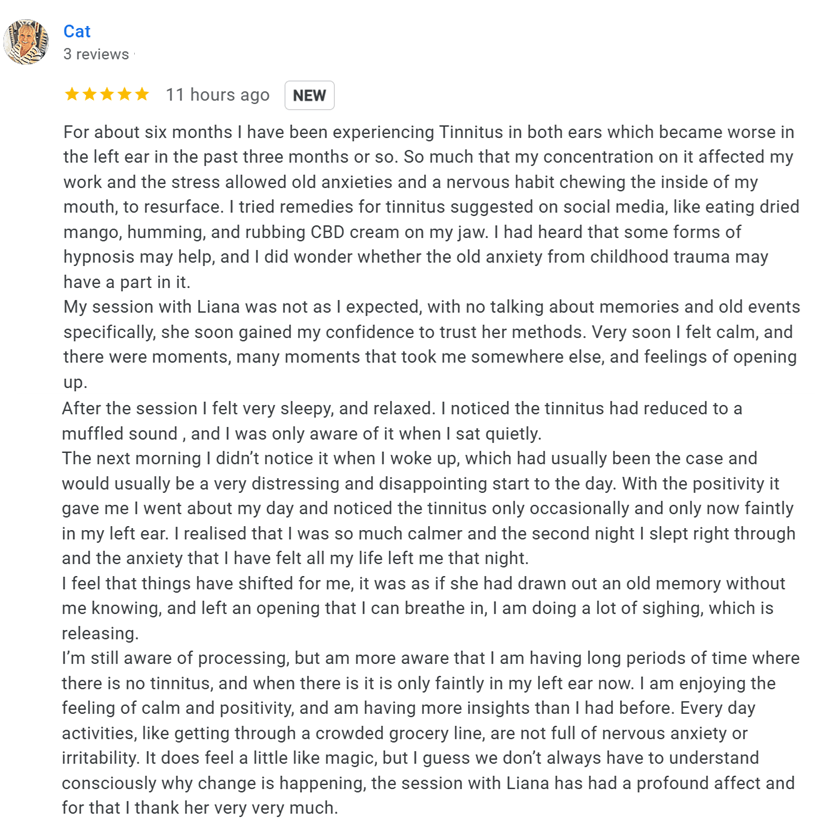
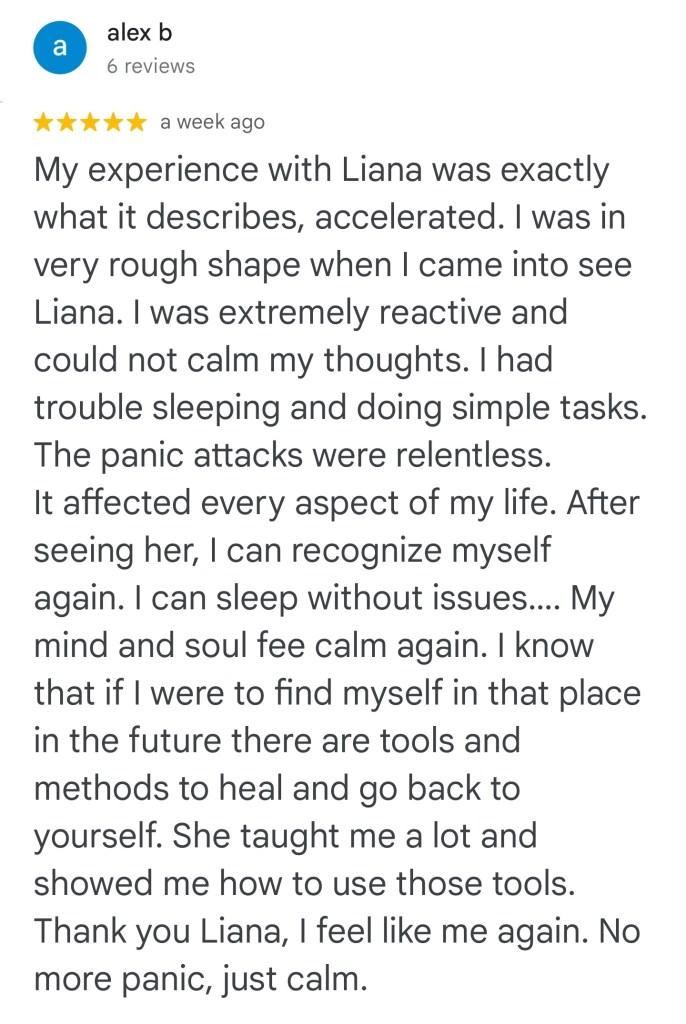
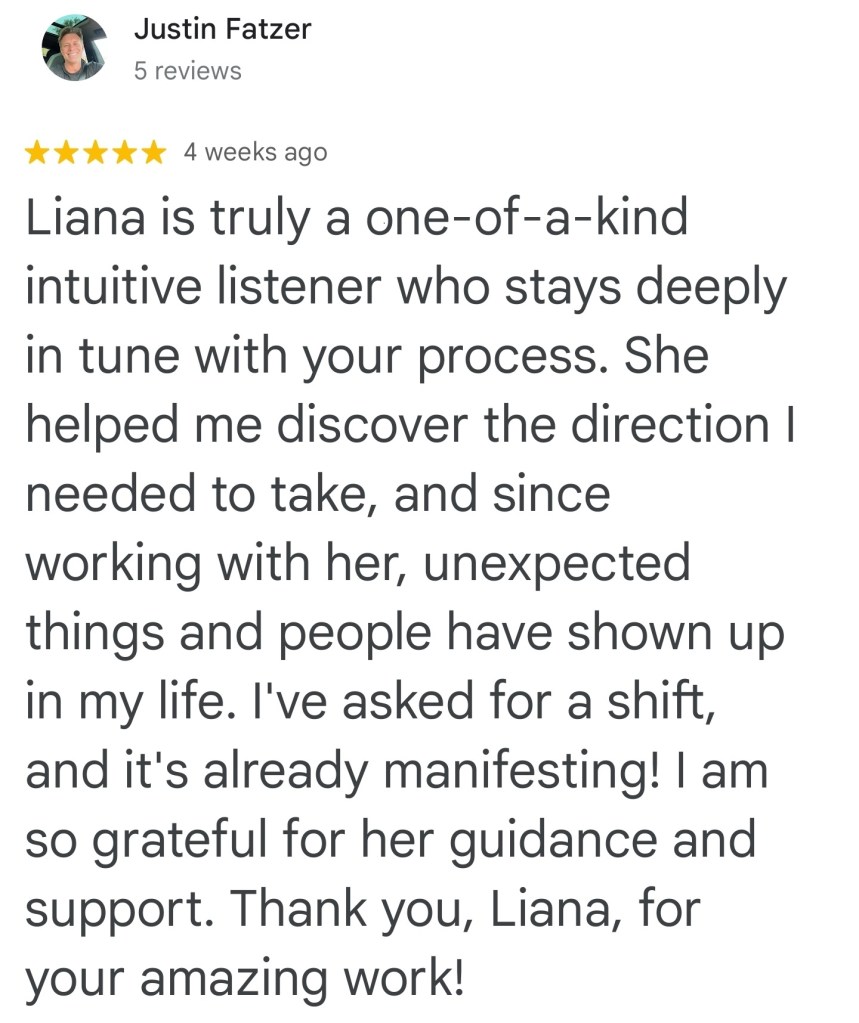
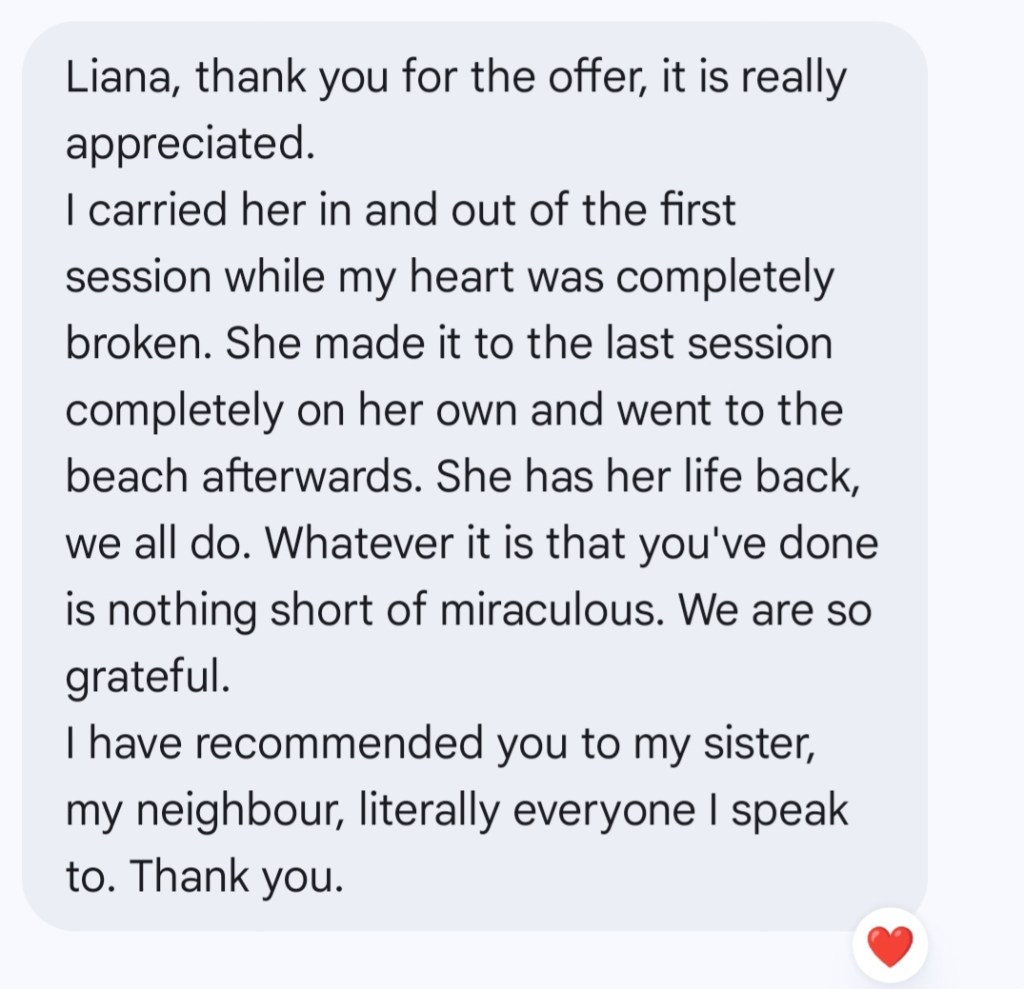
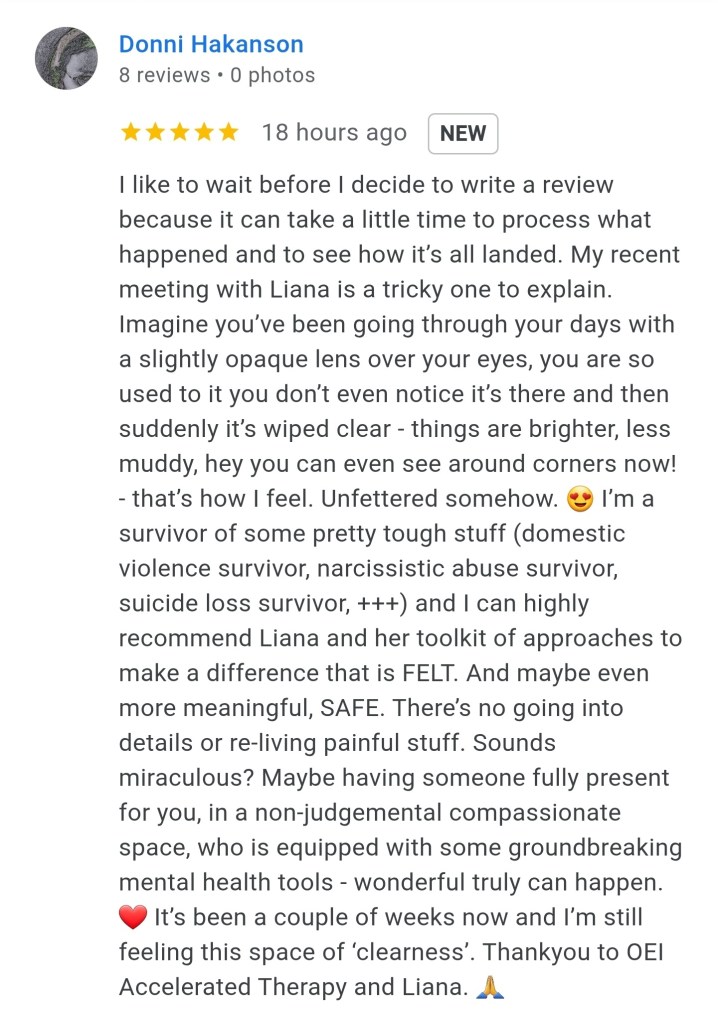
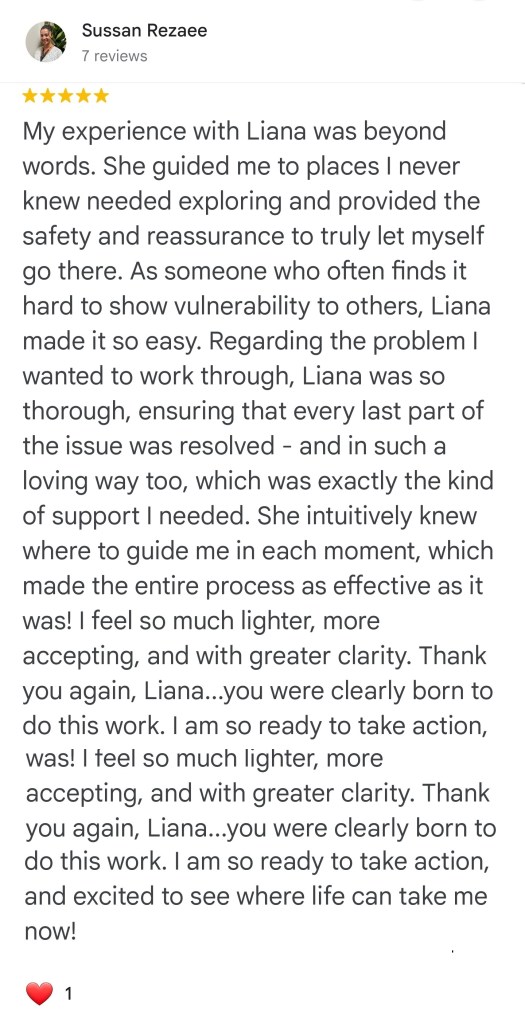
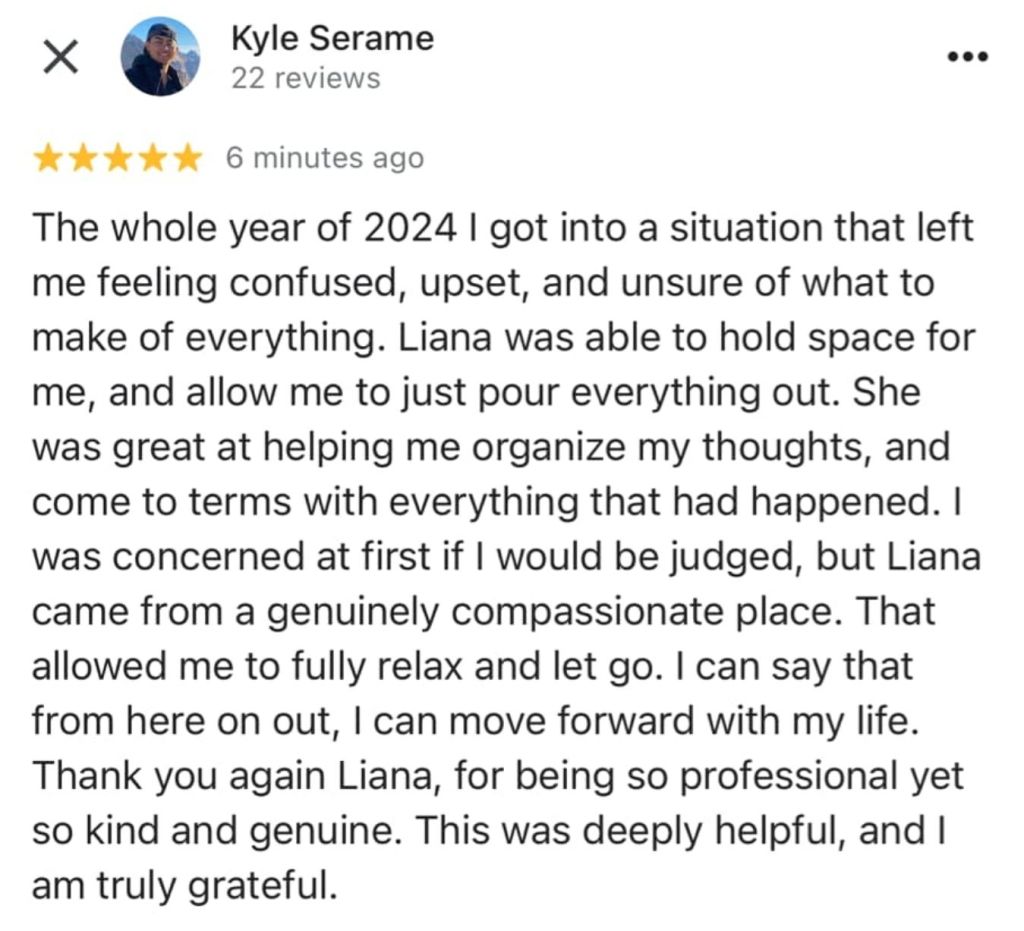
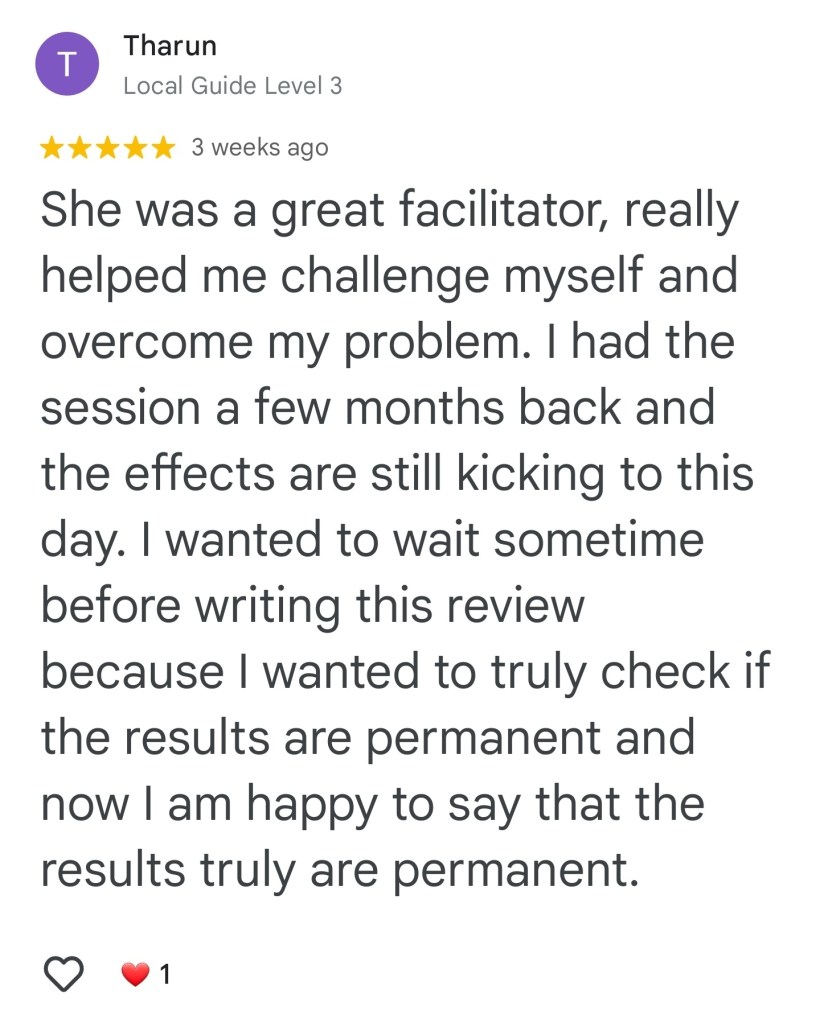
What Clients are Saying
Read text version here






















































Contact Us
Welcome to a world of limitless possibilities, where the journey is as healing as the destination, and where every moment is an opportunity to expand your life with new possibilities. Contact us using this form, email us or book a free Clarity Session.


 Accelerated Hypnotherapy - Rapid Results
Leave a comment