The Trap of D-Day: Why You Keep Replaying the Betrayal
Repetition compulsion is an unconscious tendency of people who have experienced the trauma of being betrayed to repeat the traumatic events, the patterns, and earlier experiences of trauma and betrayal.
The reason for this is that subconsciously, they’re trying to achieve mastery, resolve the trauma, learn how to gain control, and in that re-experiencing, get the control that they weren’t able to have before. This happens even when the repetition causes them further pain or harm.
Freud wrote a paper on this called Remembering, Repeating and Working Through as he observed that patients didn’t just remember repressed traumas, but they acted them out in the present.
Instead of trying to experience pleasure, people that have experienced trauma often feel compelled to recreate familiar situations that are extremely painful. They just find themselves in those situations because this is happening on the subconscious level.
Repetition Compulsion happens because you’re subconsciously trying to repeat the experience so that you are able to achieve a different result than the one that you actually experienced—so that you can have a better outcome, and through that mastery, you can process those unresolved emotions that you’re still experiencing.
Why the Brain Chooses Familiarity Over Safety
People that have experienced trauma are often drawn to what’s familiar, not what’s good for them. Even if this is painful, it’s predictable.
The familiarity and certainty draws them and even though it re-creates the trauma, it is chosen over the uncertainty of the unknown, of possibilities that you haven’t yet experienced that are positive but feel uncertain, unfamiliar.
The unconscious re-experiencing or reenactment often goes back to childhood, where you find situations that feel familiar to dynamics that you experienced in childhood, like avoidant or anxious attachment, negative childhood experiences, or neglect.
These patterns often surface in your present-day relationships. You might even see them at work—your boss can remind you of that dynamic that you had with a parent as you keep encountering problems with authority.
People that grew up with parents that were emotionally unavailable or avoidant might find themselves choosing similar partners.
So many clients with alcoholic parents find themselves with alcoholic partners, having missed the signs, or subconsciously choosing what is family-iar.
Here’s the thing.
It’s not that they only attract these types of people; they’re attracting all different types of people, but they’re subconsciously choosing people with those same cues who are emotionally unavailable, critical, and chaotic.
Secure attachment might even feel boring compared to the chaos of emotional abuse, destructive behaviors, and trauma bonding.
The Cycle of Relationship Self-Sabotage
Something that I see with clients that have experienced trauma is that they find themselves in situations that are very similar to the original trauma.
Let’s say, if you were growing up and your caregivers were critical and you heard that criticism, you start to internalize it, and so you may experience self-sabotage at work or in your relationships.
You find yourself becoming your harshest critic.
That’s when people often find me—after they’ve done months or years, sometimes decades of therapy, and they’re in this amazing relationship but there’s something about the past that keeps coming up for them, and they want to resolve it at the subconscious level.
Somehow these clients have attracted the most amazing partner, and they’re afraid of the self-sabotage.
They’re afraid that they’ll go into that same pattern—that they will create chaos and destroy the relationship—because partners only have so much patience, and these clients know that patience is not a virtue that is unlimited.
They need to figure it out.
And fast.
The Trap of Post-D-Day Trickle Truth and Rumination
If you’ve experienced betrayal trauma, here’s how I see repetition compulsion showing up over and over again. Because most of my clients are women, I’m gonna talk about women.
They want to know exactly what has happened.
There’s a compulsion of wanting to know everything that’s happened, so they ask their partner to tell them everything, thinking that if they just knew everything, they would be able to heal and move on.
But here’s the thing.
If you’re waiting for someone else to do or not do something in order for you to heal, you might be stuck for a really long time.
There’s a reason why that guy cheated and hid these things from you in the first place. The last thing they want to do is tell you every little thing that happened, how they felt, or what they were thinking.
They don’t want you to know.
They never did.
This is why women who keep asking for more information about the betrayal, get trickle truth. The guy often only will reveal what he thinks the woman knows already, as the truth trickle in.
Each time these women hear that little bit of new information, it puts them right back into D-Day, when they discovered that their partner was cheating in the first place.
This reinforces the cycles of overactivity in the emotional brain, the hypersensitivity, and hypervigilance of expecting more bad stuff to happen at any moment.
Not good.
The Neuroscience of Overwhelm and Flashbacks
After you find out more of the shitty things that the guy was hiding from you, the things he did because he never thought you would find out, he never thought he would have to reveal – and might never, as much as you beg and plead…
You will experience all of those feelings of betrayal—that rush of heat where your neurons are actually firing up out of control and you’re triggered AF as that feeling comes over you again.
You’re focused on the past.
You keep looking and asking, because you think that more information and more insight is gonna help you move forward. But what it really does is cause an overwhelm in your whole entire being that keeps you stuck.
From a neuroscience perspective, that overwhelm is what’s preventing your brain from resolving the way that you feel about the trauma so that you can put it behind you.
On D-Day, your brain caught on fire in that emotional part of your brain, and nothing works when your brain is on fire.
Searching for more information about the past, digging up the past, and talking about what has happened is trying to put out a fire by pouring gasoline on it.
How Accelerated Hypnotherapy Heals Betrayal Trauma
With Accelerated Hypnotherapy, you don’t have to talk about the past.
Your subconscious mind knows exactly what’s happened; it’s all down there in your subconscious. It’s recorded everything. Everything you remember and everything that you don’t remember is already down there.
Instead of trying to bring it up into your conscious mind, you’re just gonna leave it down there so that you don’t overwhelm your brain and stop it from being able to process this and put it into the past like other memories.
Because that betrayal is not a memory for you right now—it keeps re-occurring and this is why you’re feeling stuck.
It stays alive in the present moment through flashbacks, intrusive thoughts, and these bad feelings in your body, as you relive the betrayal over and over again.
You’re not resolving anything in this state. I think you can feel that in your body.
Why Traditional Couples Therapy Can Backfire
Because you’re probably doing all the things: you’re dragging your partner to couples therapy, you are talking it out, feeling worse, and feeling exhausted AF after these sessions.
How do you know if a cheating liar is telling you the truth, the whole truth anyways?
Trying to get the truth about something that was meant to stay hidden from you is a losing battle.
You’re right in the middle of a process called myelination.
It coats these pathways of feeling bad so that you can slip more easily and efficiently into intrusive thought processes, flashbacks, and feelings of dread in your body.
You are hypersensitive to any little thing that reminds you of the betrayal. That’s why you’re so triggered and the emotional part of your brain is hyperactive. You’re hypervigilant, and this is why you’re always looking for something and you wanna know why.
Information is not transformation.
Information is moving you in the wrong direction. What you’re actually doing is strengthening the pathways of feeling bad.
What you need to do to heal, is to leave everything down in the subconscious.
And so what we’re gonna do is go down to the subconscious and work on things while they are still unconscious.
Working With Your Brain for Betrayal Trauma Healing
Let’s connect you with your Superconscious—the part of you that already knows how to heal.
Your brain doesn’t need any help from your conscious mind to heal. It’s actually better if we get your conscious mind and my conscious mind out of the way.
If you haven’t been able to solve it with your conscious mind, there’s no way anyone else is gonna be able to solve your problem with their conscious mind, not even me.
I don’t need to know anything about any of that.
Together, we will create the right conditions for your mind and your body to feel some calm—like real calm, not like a generic hypnosis session where somebody says, “Okay, relax your face and relax your neck and your shoulders.” It’s nothing like that at all.
Because if you could relax like that already, you probably wouldn’t still be reading this.
We need to work with your brain, not against it.
Stop overwhelming your brain by thinking and talking about the past.
Your Superconscious mind can figure it all out ’cause it already knows the way.
Most of my clients find relief—they find that calm, that equanimity—after just one session.
If you are ready to work with your brain and you want some clarity in how to move forward…
Let’s connect.
Listen, are you breathing just a little and calling it a life?
-MO
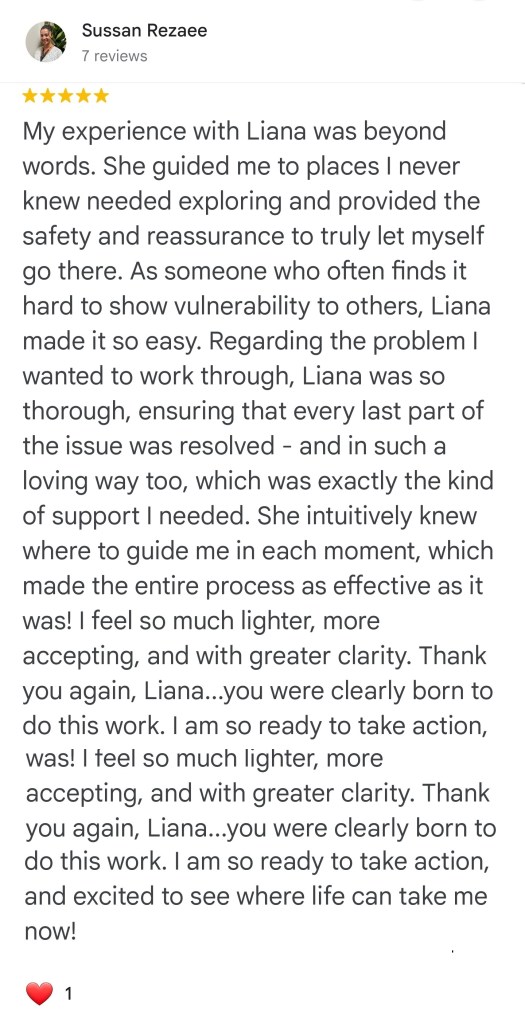
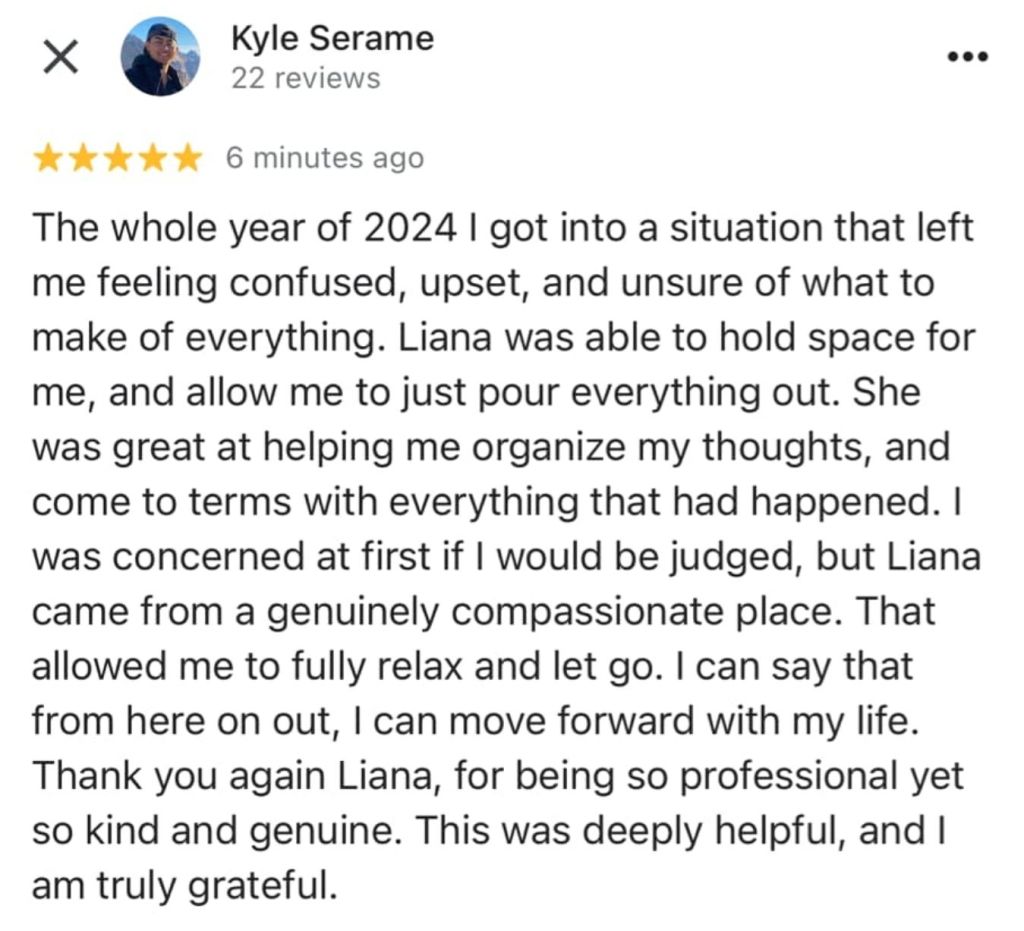
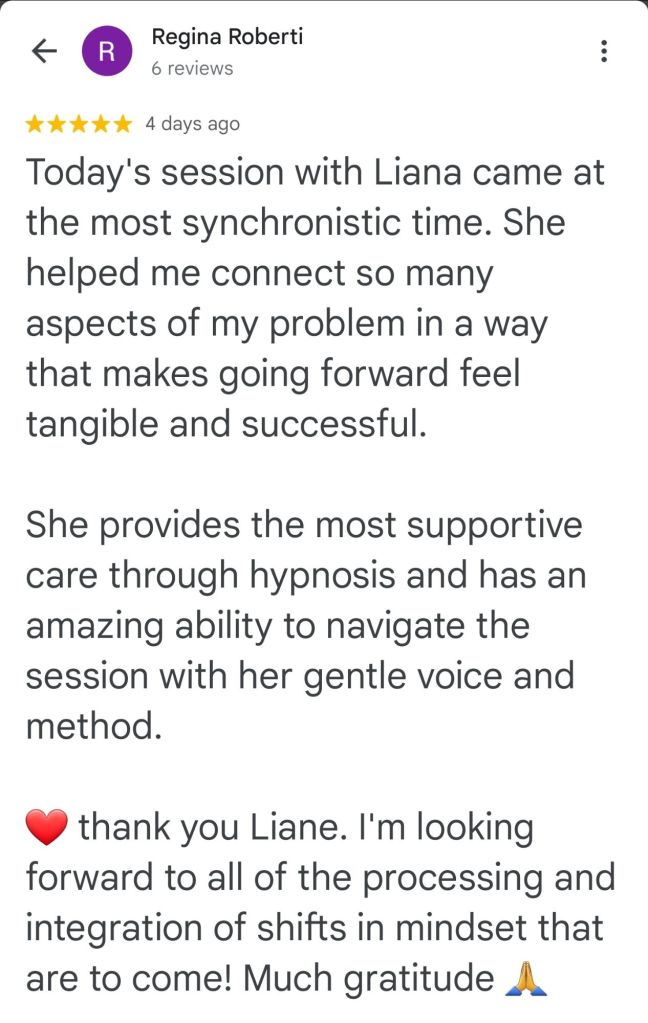
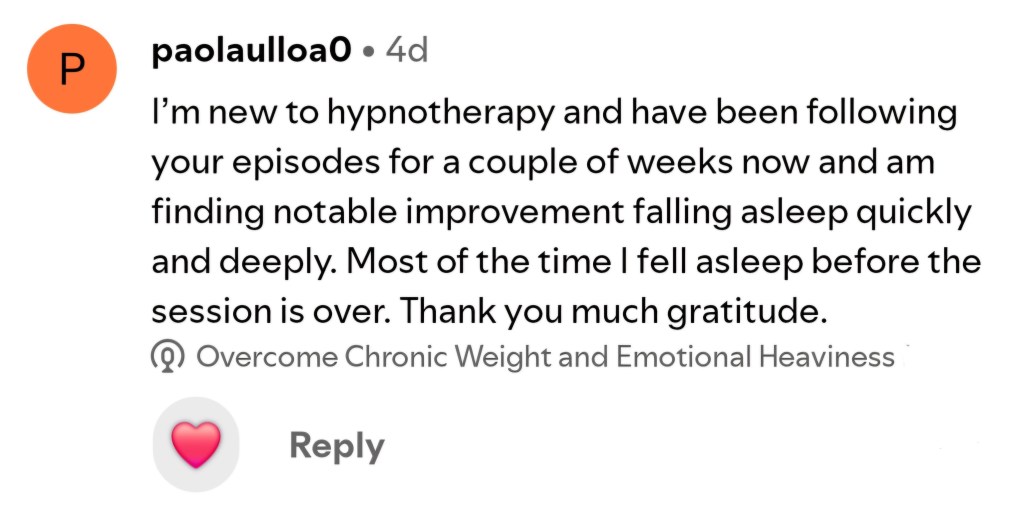
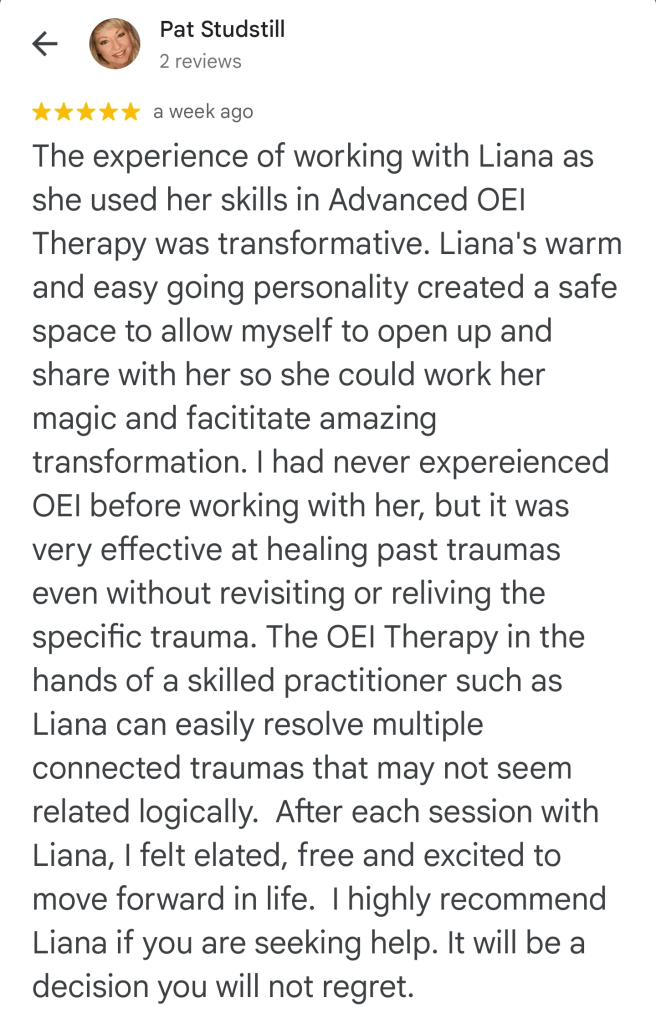
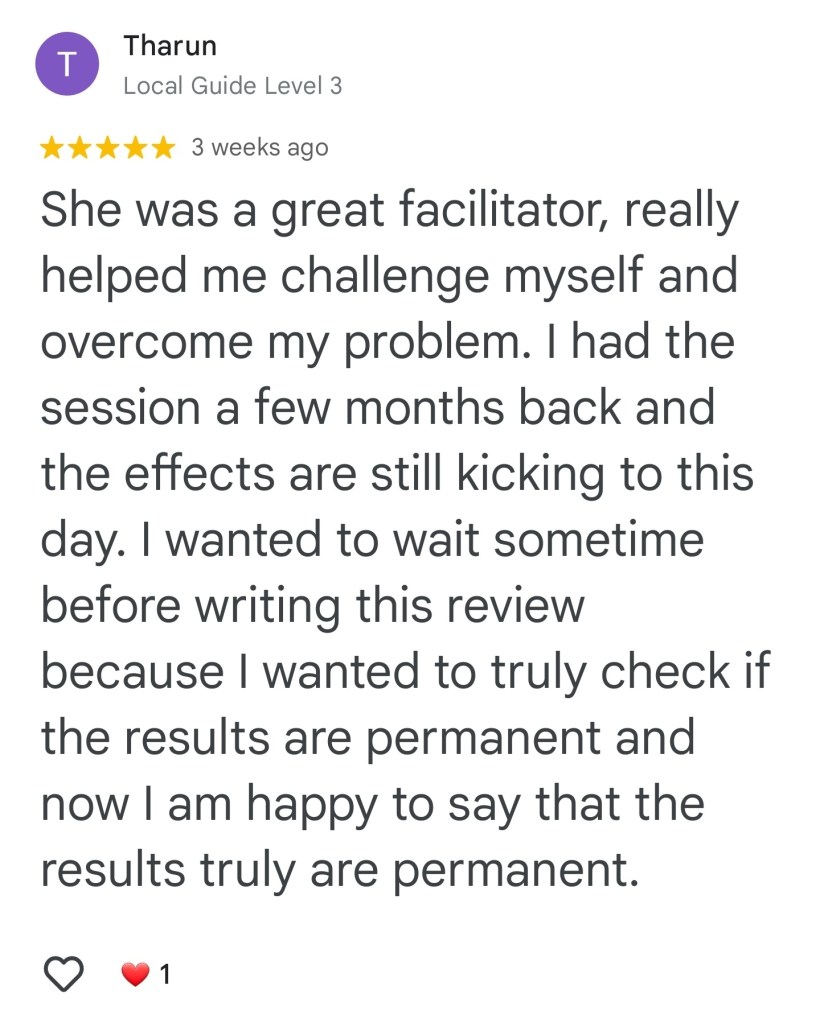
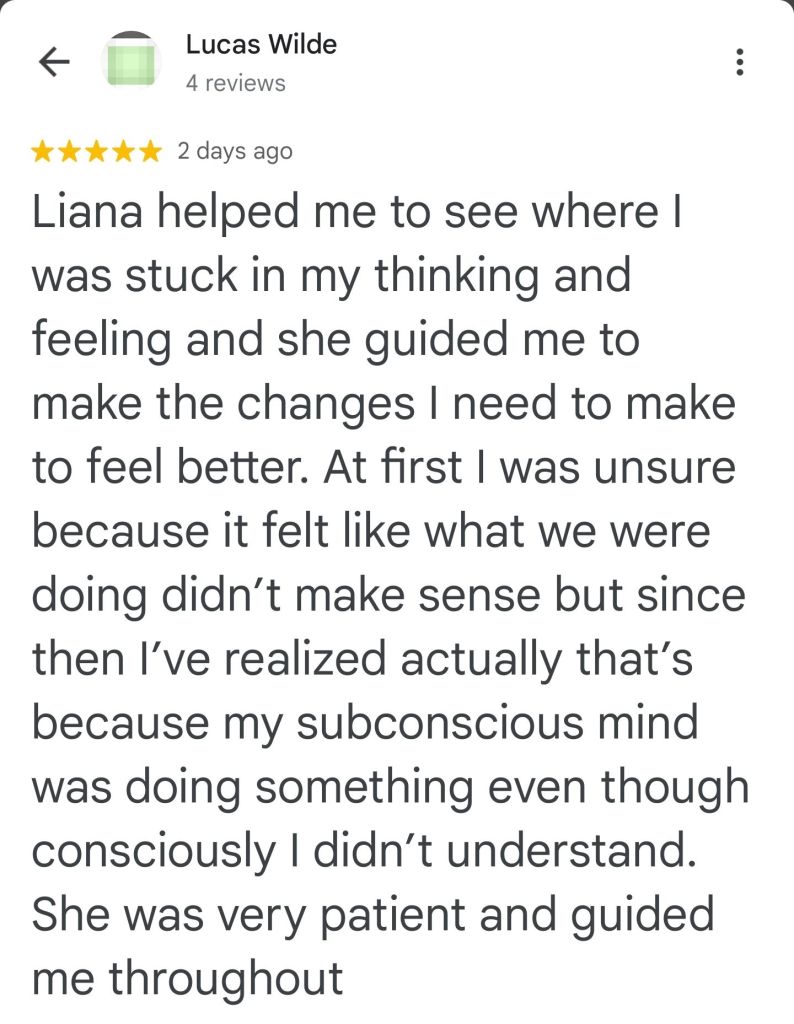
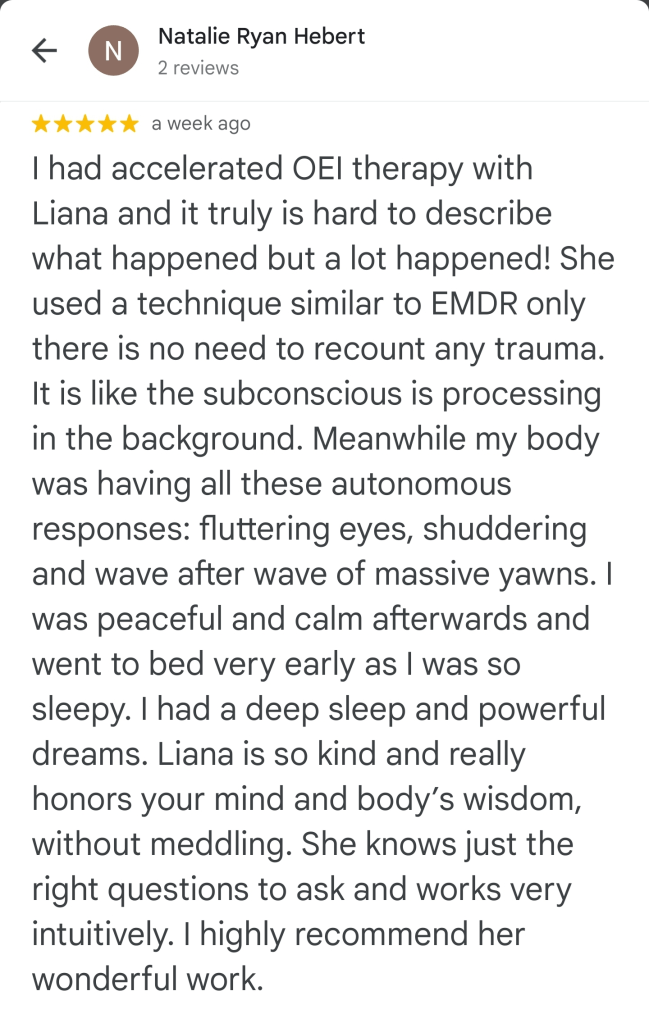
What Clients are Saying
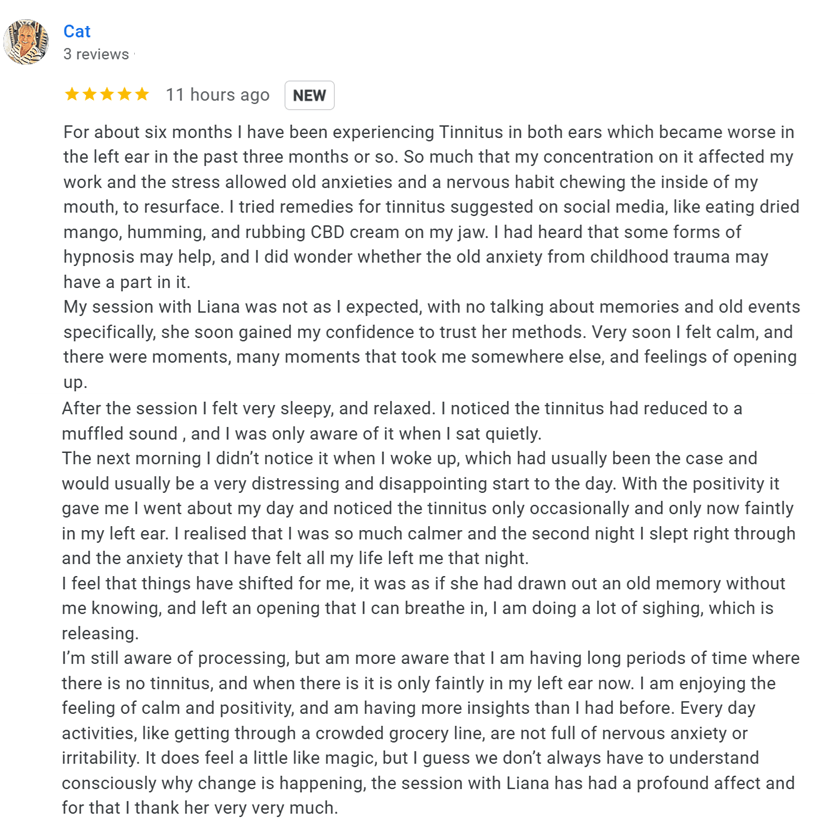

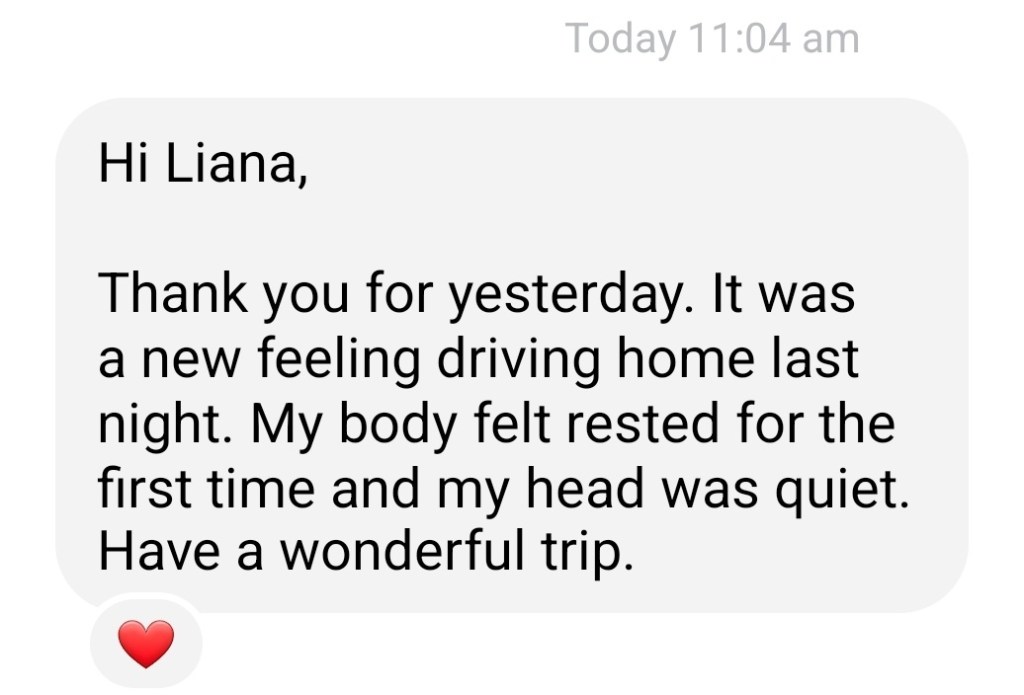
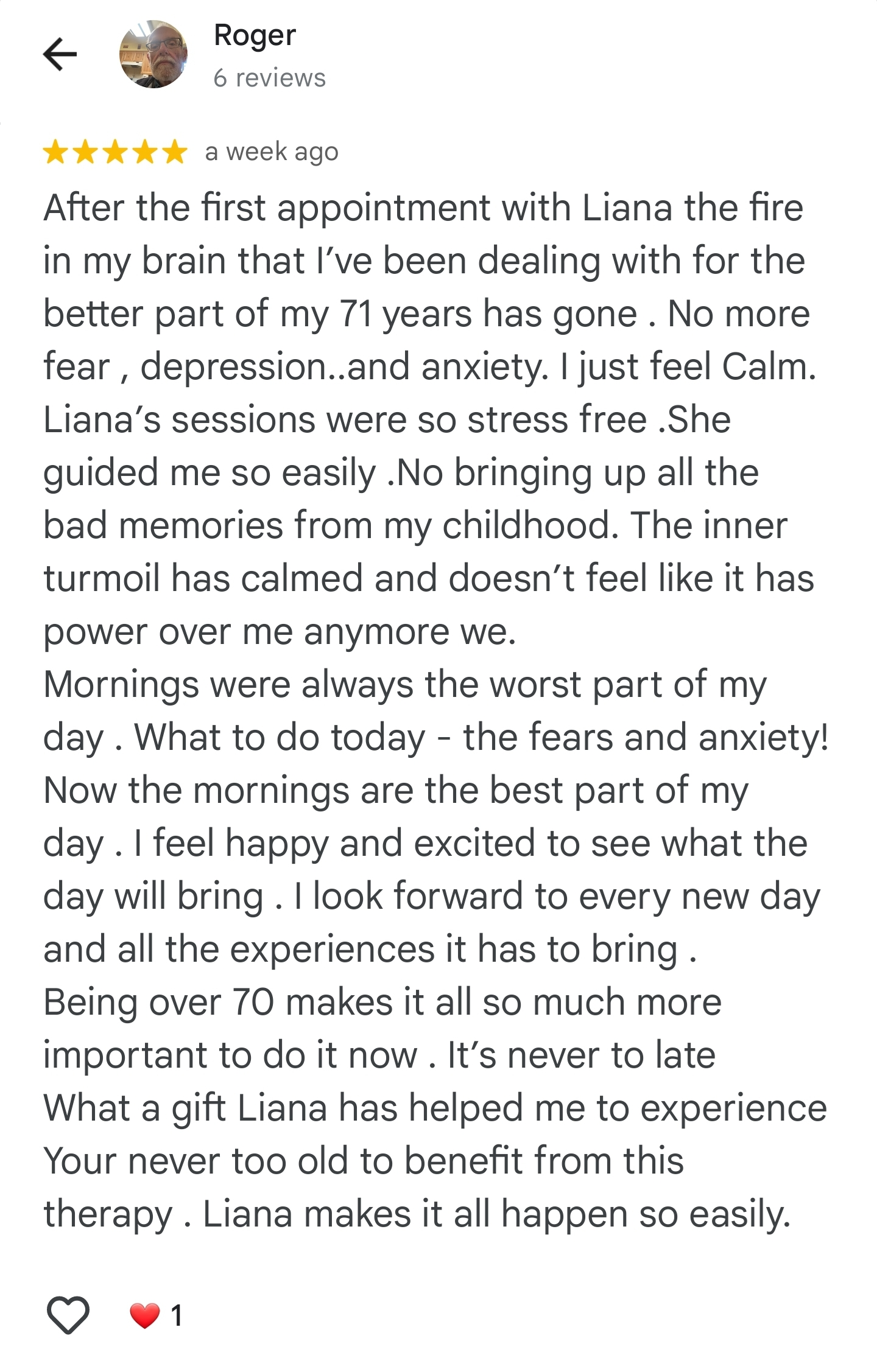


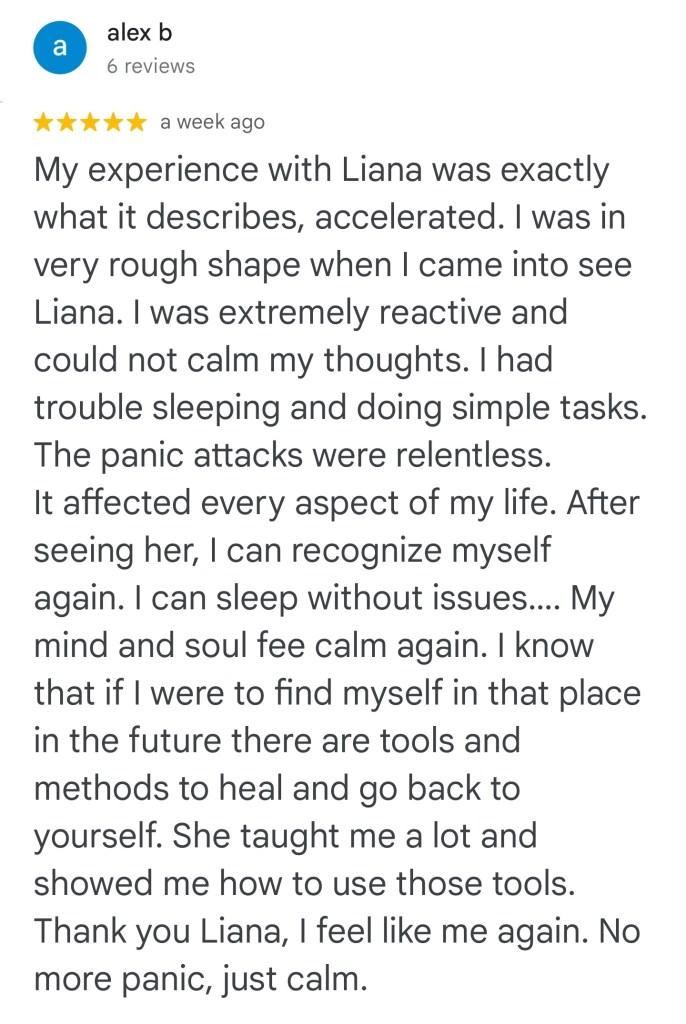


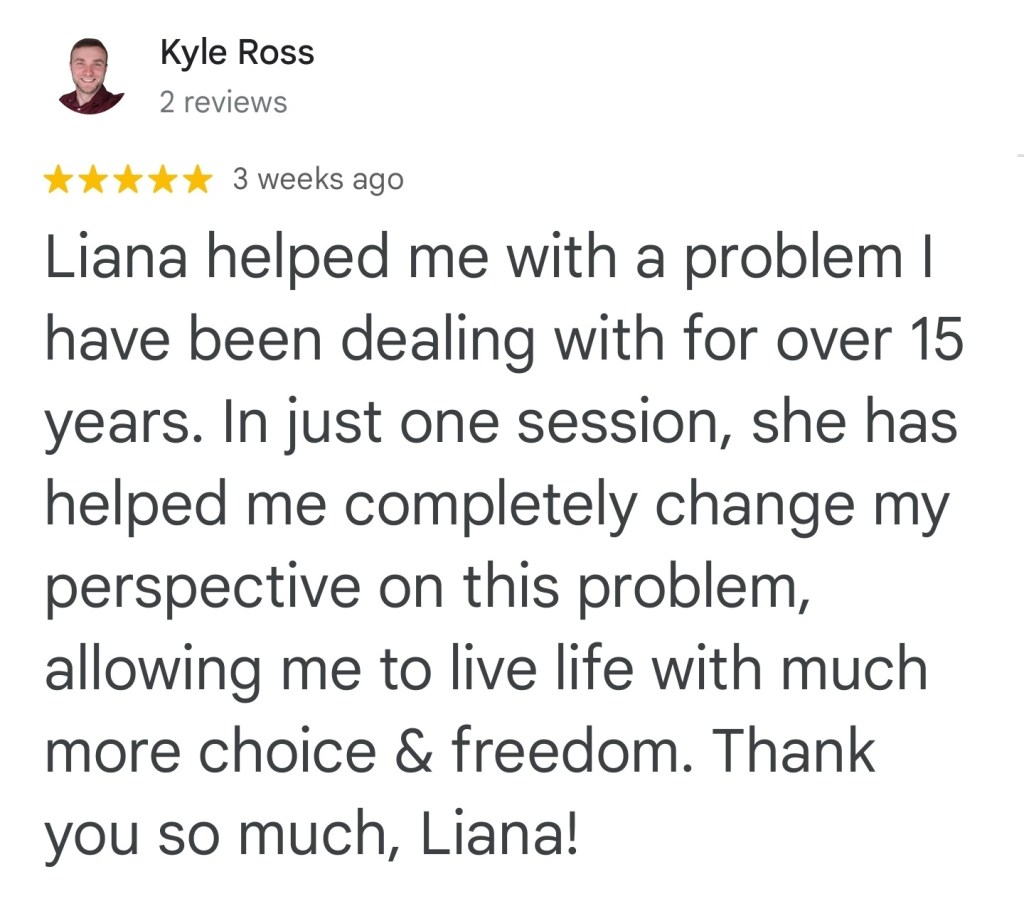

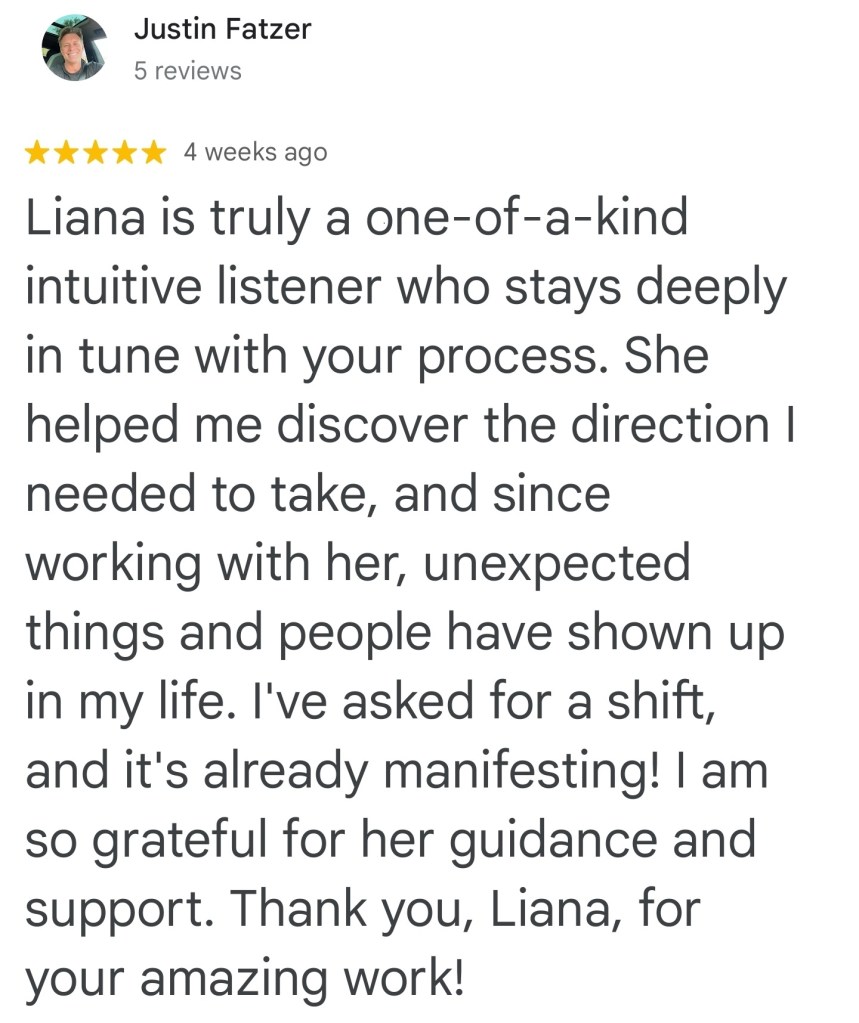


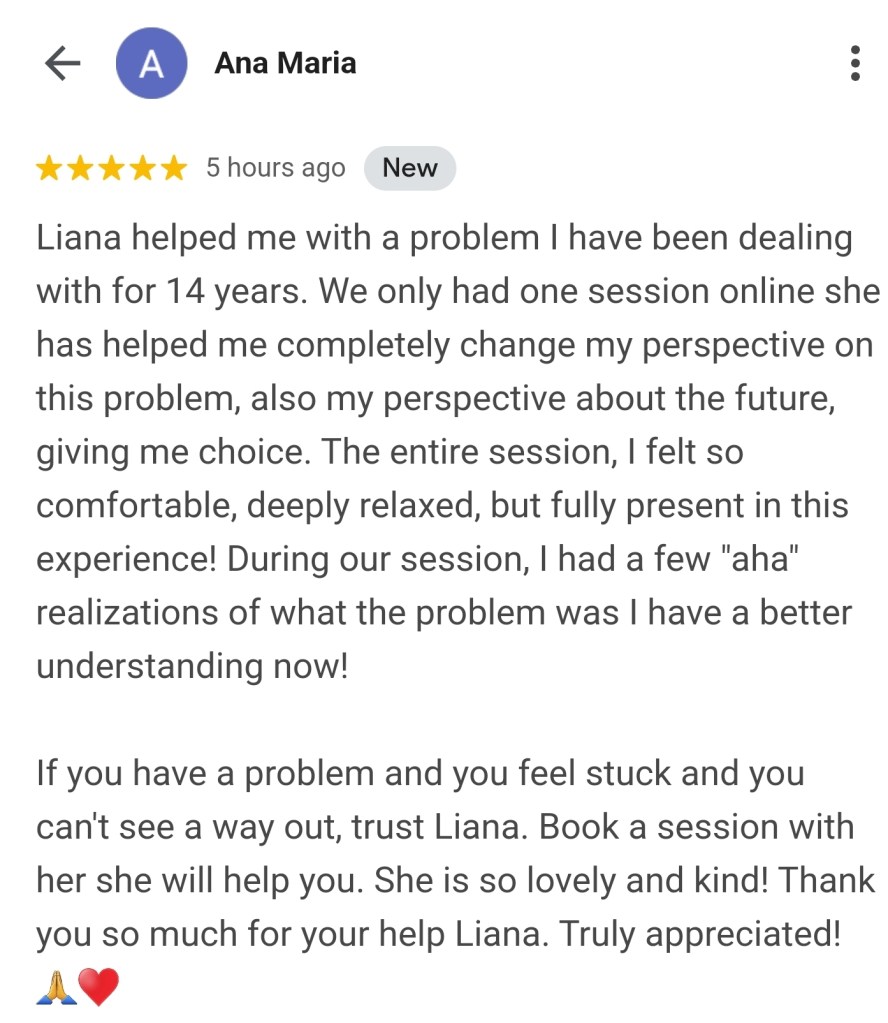

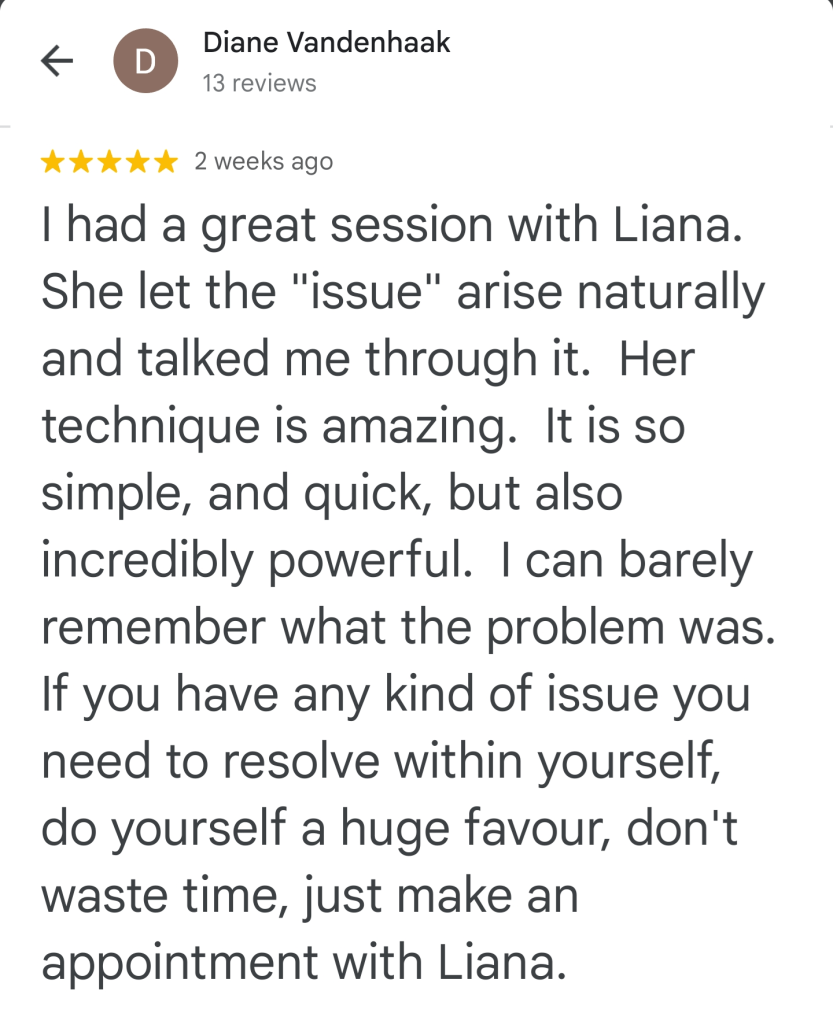



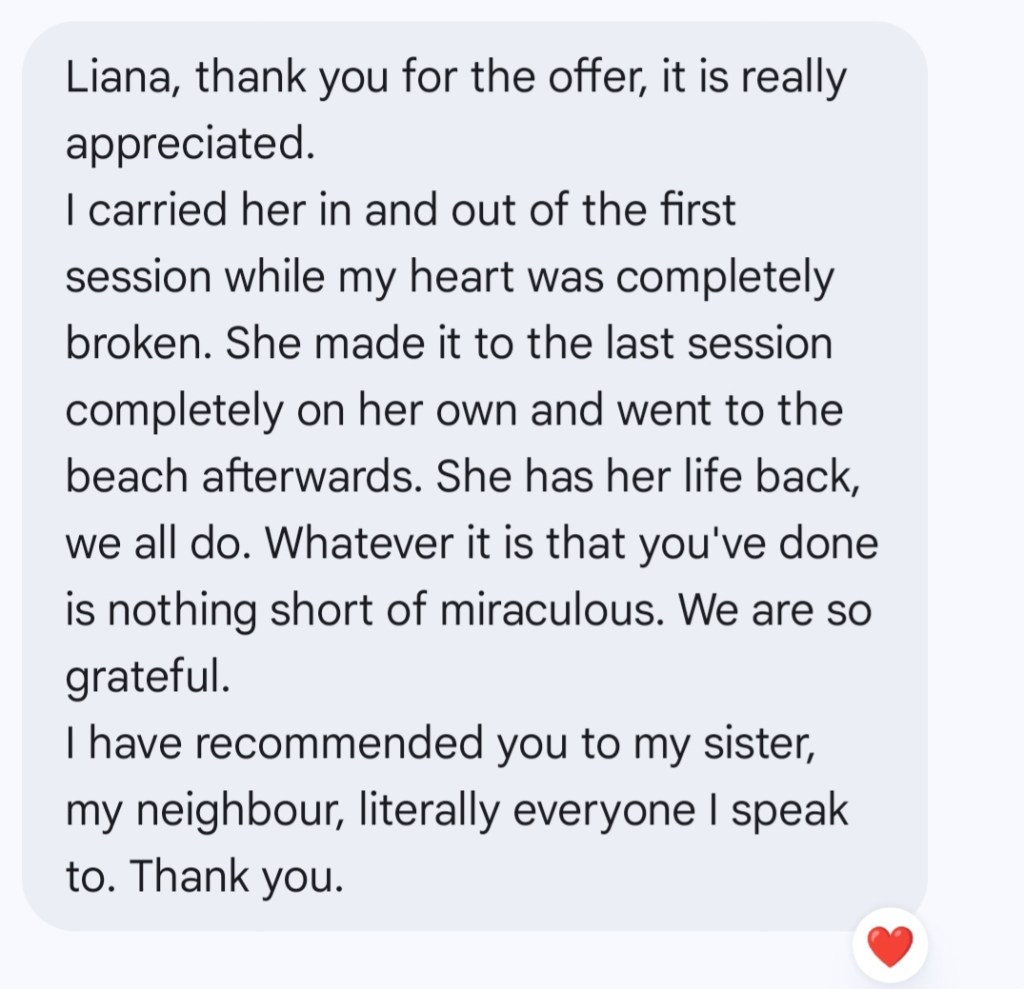





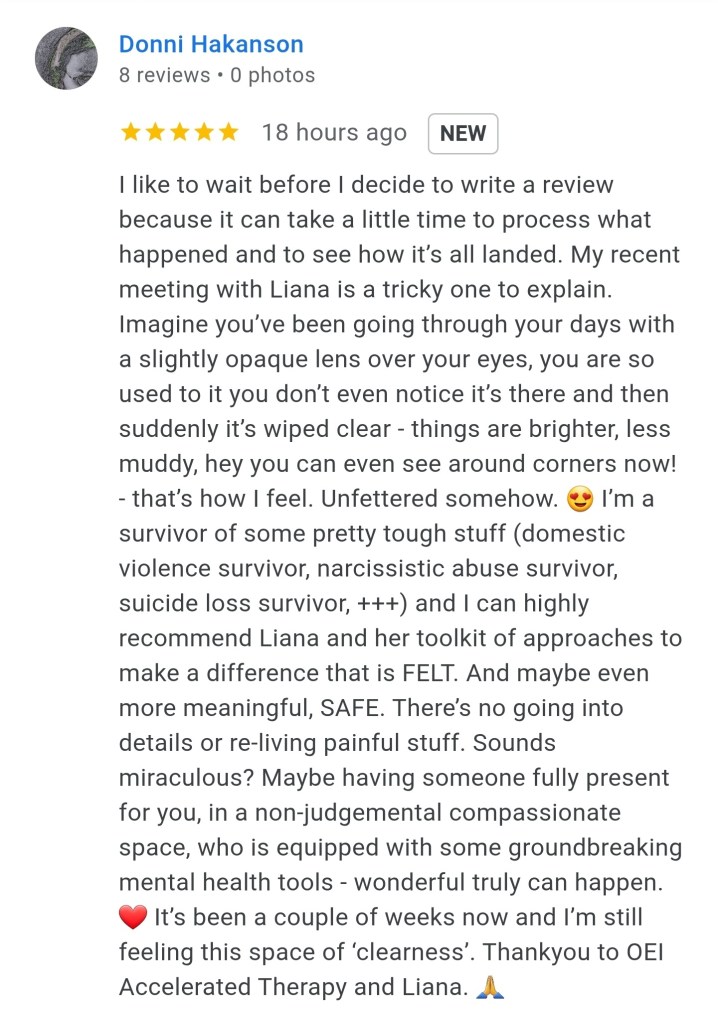


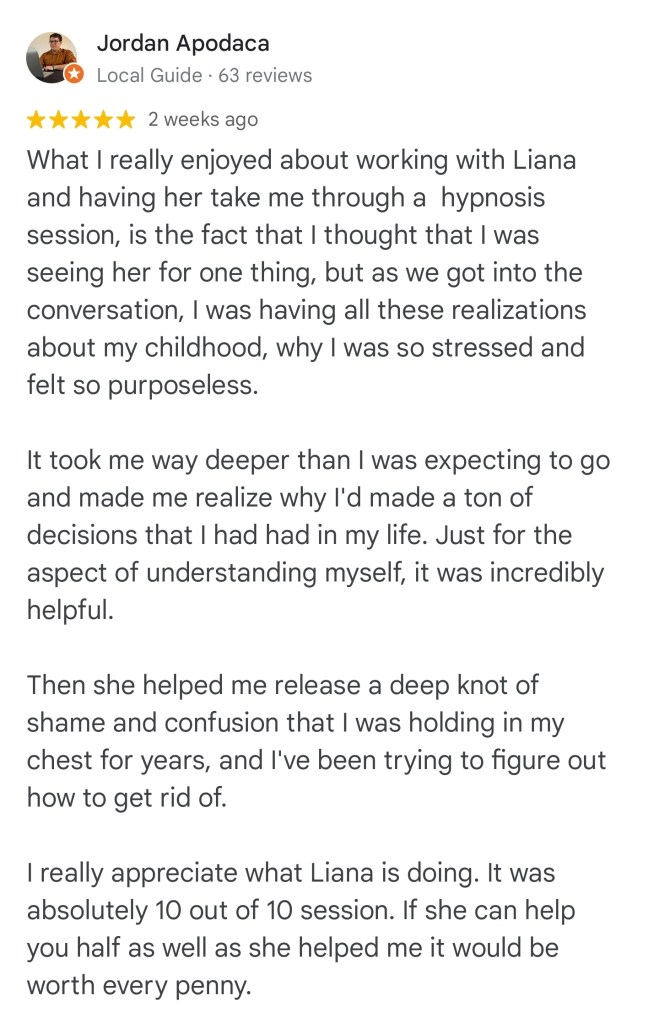
























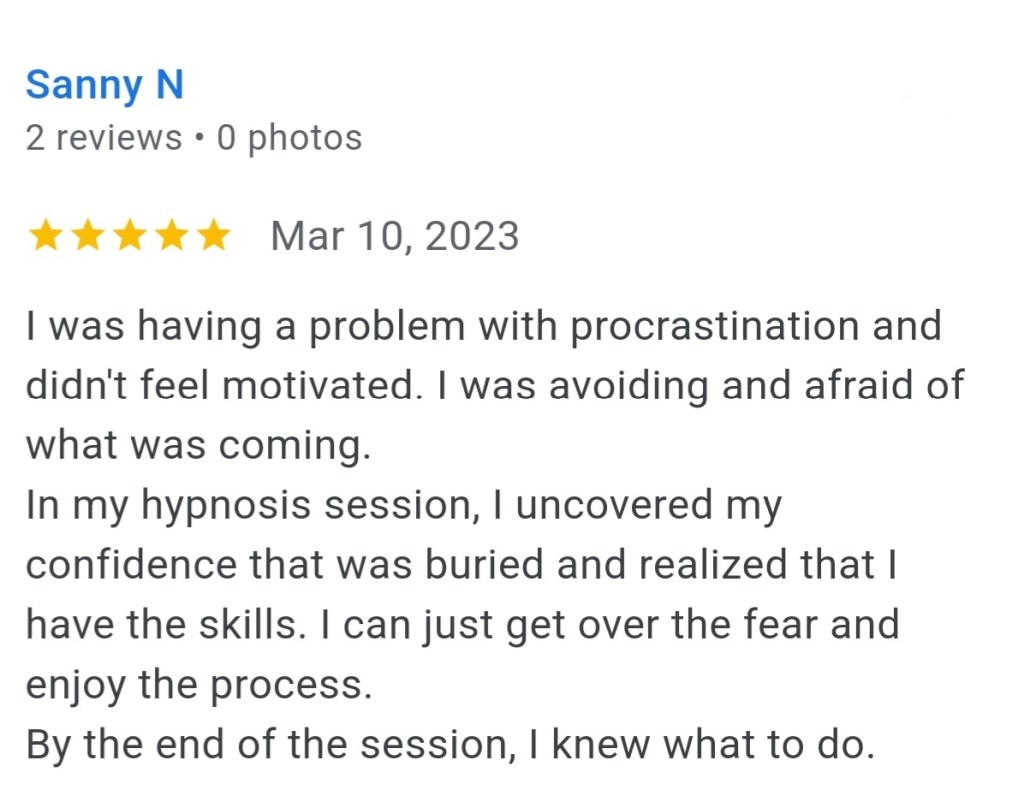

 Accelerated Hypnotherapy - Rapid Results
Leave a comment