Category: FAQs
-
How Trauma Bonding Starts in Dating

Trauma bonding can feel like chemistry, but it’s often a nervous system response rooted in past emotional wounds. Learn how trauma alters attraction, why intensity feels addictive, and how healing recalibrates relationship chemistry so calm, secure connection finally feels safe and natural again.
-
What is Hypnotherapy and Why is it Effective?

Hypnotherapy is a neuroscience-backed approach that helps with anxiety, trauma, sleep, and pain. Research shows hypnosis changes brain function, making it easier to shift stuck emotional and physical patterns. This article explains what hypnotherapy is, why it works, and what conditions it can help, backed by current scientific evidence.
-
Hypnotherapy Rewires The Brain After Trauma

Hypnosis helps your traumatized brains relearn safety. It calms the brain and supports memory reconsolidation, sleep, and cognitive change. Hypnotherapy can help reduce hyperarousal and avoidance while improving insomnia and can make trauma therapy feel safer and more effective—not by bypassing work, but by supporting a traumatized brain.
-
How to Recover From Narcissistic Abuse

Recovering from narcissistic victim syndrome is possible with the right approach. This article explains why healing feels so difficult, how trauma reshapes your brain, and which gentle, neuroscience-based methods can help. Learn how to restore safety, trust, and identity after narcissistic abuse without re-triggering the trauma.
-
Childhood Trauma, Adult Relationships, and Destructive Entitlement

Are old wounds from childhood silently sabotaging your happiness? Discover why burying your childhood crap can explode into destructive entitlement—ruining your relationships, sapping your joy, and even passing the wounds to the next generation. Learn the steps to break free and heal deeply.
-
How Narcissistic Abuse Rewires Your Brain

Narcissistic abuse changes how your brain and body respond to stress, trust, and connection. If you’ve felt stuck, hypervigilant, or triggered AF, you’re not alone. This article unpacks how gaslighting, emotional cycles, and trauma bonding affect your nervous system—and why healing starts by listening to your own intuition.
-
Trauma’s Surprising Effect on Motivation

If you struggle to finish simple tasks or feel unmotivated, it might not be a problem with discipline. Trauma—big T, or even small t—can overwhelm the brain and make even simple to-do tasks feel impossible. This article explains how trauma affects motivation and why it’s not a character flaw, but a nervous system issue.
-
How Trauma Creates Negative Relationship Patterns

Trauma doesn’t just stay in the past. It often shows up in your closest relationships. This article explains how trauma can create negative relationship patterns like conflict, shame, insecure attachment, and choosing unhealthy partners.
-
How Breakups Can Affect the Brain—Especially After Childhood Trauma
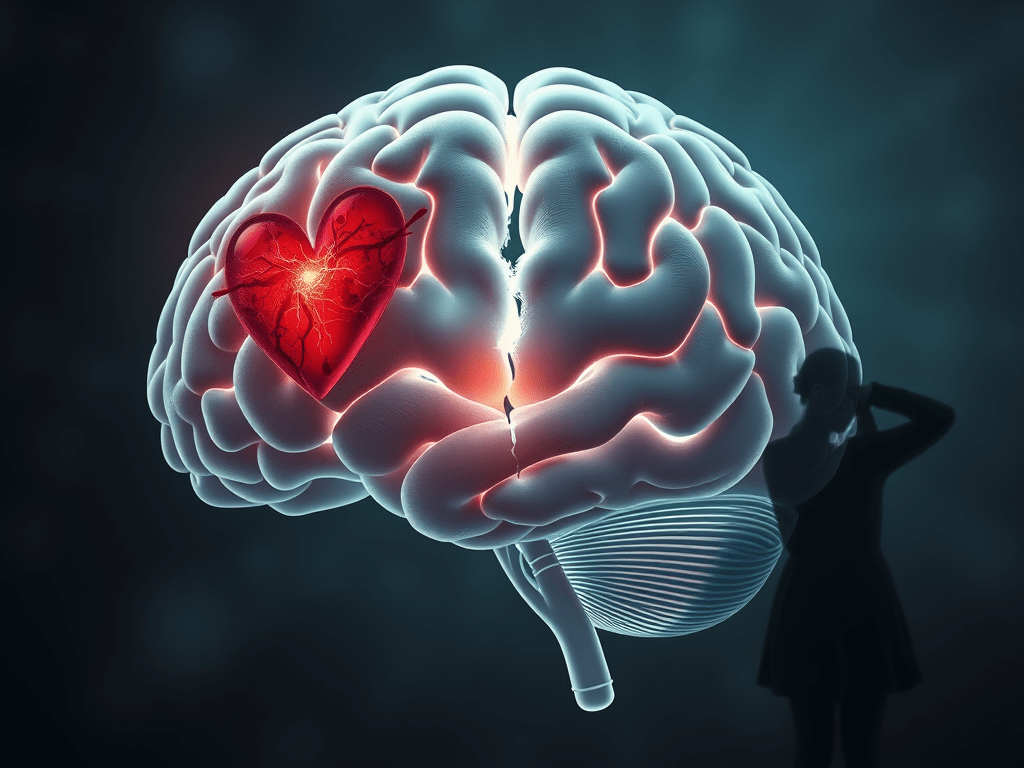
Romantic breakups can do more than break your heart—they can change your brain. Research shows that people with childhood trauma who go through painful breakups may have smaller hippocampus sizes, a part of the brain involved in memory and emotion. This article explores how trauma compounds over time and affects the brain.
-
Can You REALLY Stay With a Cheating Partner?

Here are four key questions that you can ask after betrayal to reveal hidden unhappiness in relationships. If you answer “no” to all of them, your relationship may be more disconnected than you realize. This article explores emotional safety, conflict style, curiosity, and accountability—core foundations of love that you will need to rebuild a relationship…
 Accelerated Hypnotherapy - Rapid Results