Category: Neuroscience
-
How Hypnotherapy Helps “Severe” Tinnitus Distress – What Research Shows
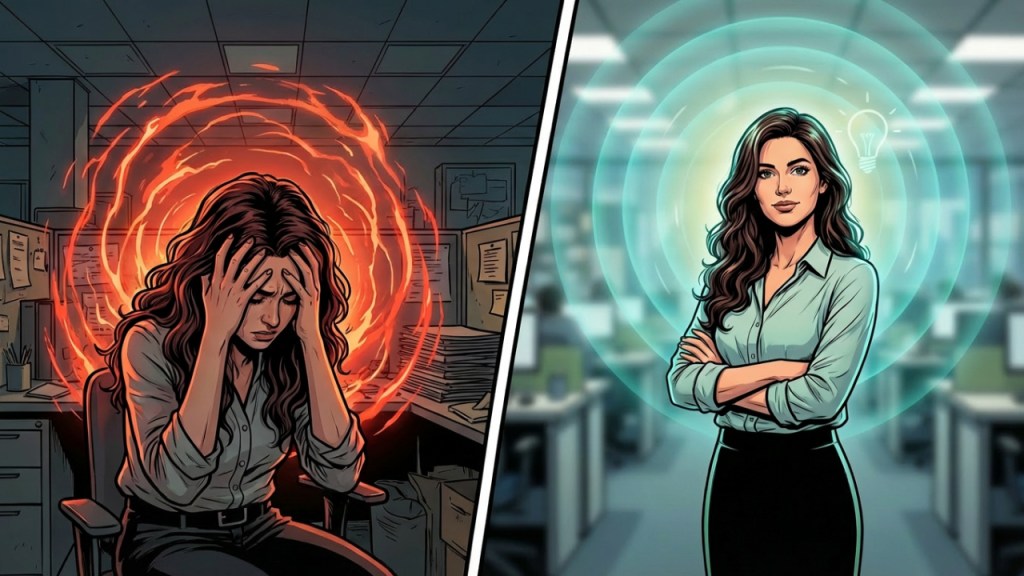
Discover how hypnotherapy severs tinnitus distress—not just ringing ears, but the anxiety, sleep loss, and overwhelm. Neuroscience-backed research shows 70-80% relief through hypnosis. Discover the tinnitus treatment that has reduce chronic tinnitus distress,, using hypnosis for tinnitus, when natural tinnitus and other common remedies for tinnitus did not work.
-
Why Knowing Why Doesn’t Help Trauma

Insight alone can’t heal trauma. When betrayal or chronic stress strikes, the survival brain overrides logic, leaving talk therapy and endless analysis ineffective. This post explains why the “talking cure” falls short, how the body holds trauma, and what it really takes—regulation, safety, and brain‑based transformation—for genuine healing to begin.
-
Trauma Recovery for Seniors

This gentle, practical guide helps seniors recognize how long-ago trauma may still be affecting sleep, mood, and health—and shows how healing is possible at any age. With simple, nonverbal, nervous-system-based tools, it offers hope, safety, and relief for older adults who don’t want to retell their story, but are ready to feel better.
-
How Clinical Hypnotherapy Works Below Conscious Effort

Hypnosis is a neuroscience-backed approach that helps calm your nervous system, reprocess trauma, and reduce pain without reliving distressing memories. Accelerated Hypnotherapy creates lasting change by engaging the brain’s natural healing system, making it an effective option for trauma recovery, anxiety relief, phobia treatment, chronic pain, and sleep issues.
-
What is Hypnotherapy and Why is it Effective?

Hypnotherapy is a neuroscience-backed approach that helps with anxiety, trauma, sleep, and pain. Research shows hypnosis changes brain function, making it easier to shift stuck emotional and physical patterns. This article explains what hypnotherapy is, why it works, and what conditions it can help, backed by current scientific evidence.
-
Narcissistic Abuse Leaving You With Trauma?

Narcissistic abuse is a form of emotional control that chips away at your self-worth and safety. This article breaks down the signs, symptoms, and effects of narcissistic abuse—and explains how healing happens through trauma-informed care and reconnection with your sense of self.
-
Trauma’s Surprising Effect on Motivation

If you struggle to finish simple tasks or feel unmotivated, it might not be a problem with discipline. Trauma—big T, or even small t—can overwhelm the brain and make even simple to-do tasks feel impossible. This article explains how trauma affects motivation and why it’s not a character flaw, but a nervous system issue.
-
How Breakups Can Affect the Brain—Especially After Childhood Trauma
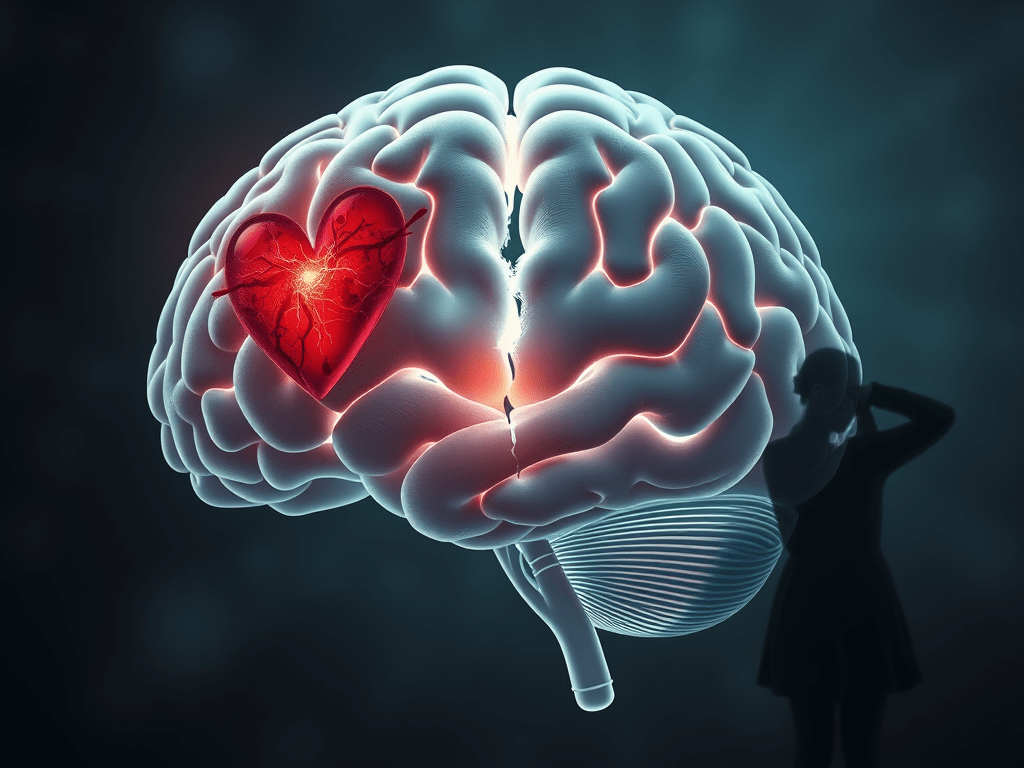
Romantic breakups can do more than break your heart—they can change your brain. Research shows that people with childhood trauma who go through painful breakups may have smaller hippocampus sizes, a part of the brain involved in memory and emotion. This article explores how trauma compounds over time and affects the brain.
-
Understanding The FULL Impact of Betrayal With The 3 E’s

The three E’s of trauma offers a powerful way to understand trauma. This model explains how trauma is more than just what happened; it’s also how it was felt, how it shows up in daily life, and how to move forward to new possibilities for yourself and your life.
-
Is Betrayal Trauma SECRETLY Affecting Your Boundaries?

People with trauma often struggle to set healthy boundaries—not because they don’t want to, but because trauma has rewired how they feel safety, control, and connection. This article explains the real reasons behind boundary difficulties, so survivors can stop blaming themselves and begin to understand what’s really going on underneath.
 Accelerated Hypnotherapy - Rapid Results