Category: Pain
-
Does Hypnosis REALLY Rewire Your BRAIN Like Magic?

Hypnosis isn’t just relaxation—it changes how your brain processes thoughts, habits, and emotional patterns. This article explains how hypnosis helps rewire the brain for less anxiety, more focus, and long-term behavior change by working directly with the subconscious.
-
Trauma’s Surprising Effect on Motivation

If you struggle to finish simple tasks or feel unmotivated, it might not be a problem with discipline. Trauma—big T, or even small t—can overwhelm the brain and make even simple to-do tasks feel impossible. This article explains how trauma affects motivation and why it’s not a character flaw, but a nervous system issue.
-
Slowly UNCOVERING Trickle TRUTH of Betrayal Trauma

Trickle truthing happens when the truth about a betrayal comes out slowly, over time. Let’s take a look at why people do it, how it affects the betrayed partner, and how to move forward with full honesty and emotional repair.
-
How Trauma Creates Negative Relationship Patterns

Trauma doesn’t just stay in the past. It often shows up in your closest relationships. This article explains how trauma can create negative relationship patterns like conflict, shame, insecure attachment, and choosing unhealthy partners.
-
Is Betrayal Trauma SECRETLY Causing Weight Gain?

PTSD and food addiction are closely linked, especially for women. Research shows women with PTSD symptoms are more than twice as likely to struggle with food addiction compared to those without trauma. This article explains how trauma, emotional eating, and weight gain often connect through the nervous system’s attempts to cope.
-
Why Betrayal Trauma Makes You Expect the Worst

Betrayal trauma rewires your brain to expect danger, causing hypervigilance, distrust, and emotional turmoil. This trauma response keeps you on edge, scanning for threats even when safe. Healing requires rebuilding trust slowly, soothing your nervous system, and honoring your instincts. You’re not broken—your sensitivity is a survival skill guiding your recovery journey and growth.
-
Trauma’s Hidden Impact on Your Relationships

Trauma doesn’t just affect your past—it often shows up in your relationships. Let’s explore how trauma can shape connection, trust, and communication patterns, and why many people repeat painful relationship cycles without realizing trauma is the cause.
-
How Breakups Can Affect the Brain—Especially After Childhood Trauma
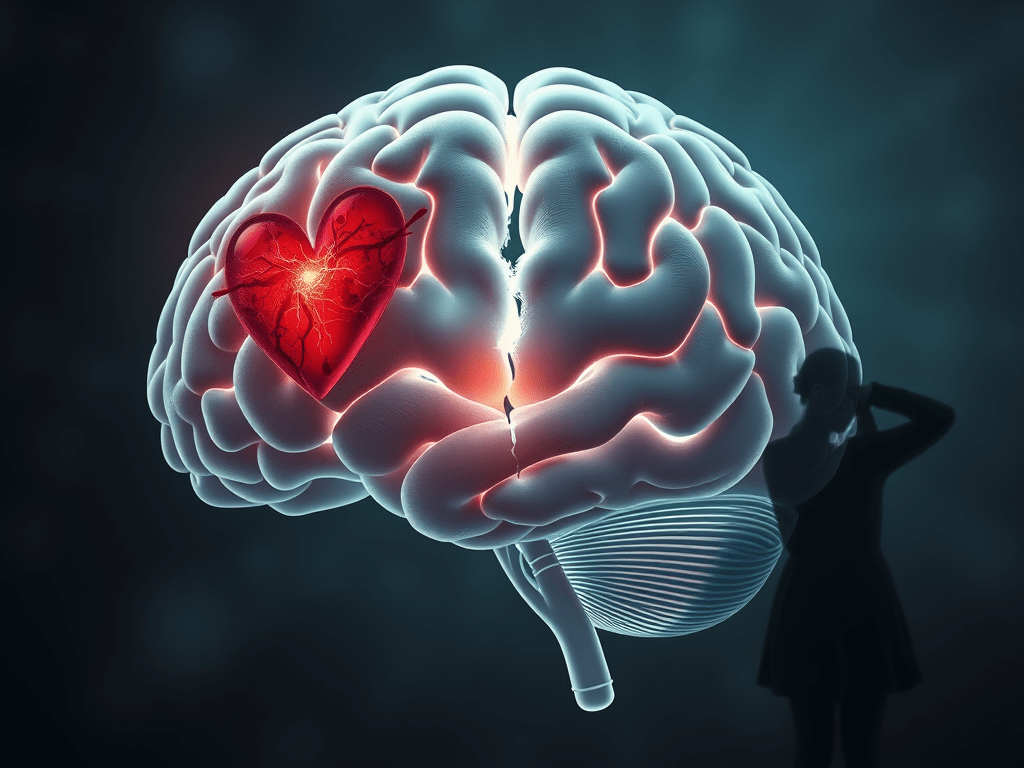
Romantic breakups can do more than break your heart—they can change your brain. Research shows that people with childhood trauma who go through painful breakups may have smaller hippocampus sizes, a part of the brain involved in memory and emotion. This article explores how trauma compounds over time and affects the brain.
-
Can You REALLY Stay With a Cheating Partner?

Here are four key questions that you can ask after betrayal to reveal hidden unhappiness in relationships. If you answer “no” to all of them, your relationship may be more disconnected than you realize. This article explores emotional safety, conflict style, curiosity, and accountability—core foundations of love that you will need to rebuild a relationship…
-
Why Betrayal Trauma Can Lead to Weight Gain

Often weight gain after betrayal isn’t about food, exercise, or willpower. It’s a trauma response. Your body may be trying to protect you, stay hidden, or calm overwhelming emotions. This article explains how betrayal trauma can lead to weight changes and why it’s not just about habits—it’s about what is going on in your brain.
 Accelerated Hypnotherapy - Rapid Results