Tag: healing
-
How Childhood Trauma Keeps Showing Up

Betrayal and abandonment trauma often leave behind deep inner child wounds. These wounds aren’t just memories—they shape how you feel, react, and relate to others today. This article explains how early experiences of being hurt, left out or left behind create lasting emotional pain and patterns that can follow you into adulthood.
-
Why Betrayal Trauma Makes You Expect the Worst

Betrayal trauma rewires your brain to expect danger, causing hypervigilance, distrust, and emotional turmoil. This trauma response keeps you on edge, scanning for threats even when safe. Healing requires rebuilding trust slowly, soothing your nervous system, and honoring your instincts. You’re not broken—your sensitivity is a survival skill guiding your recovery journey and growth.
-
Trauma’s Hidden Impact on Your Relationships

Trauma doesn’t just affect your past—it often shows up in your relationships. Let’s explore how trauma can shape connection, trust, and communication patterns, and why many people repeat painful relationship cycles without realizing trauma is the cause.
-
How Breakups Can Affect the Brain—Especially After Childhood Trauma

Romantic breakups can do more than break your heart—they can change your brain. Research shows that people with childhood trauma who go through painful breakups may have smaller hippocampus sizes, a part of the brain involved in memory and emotion. This article explores how trauma compounds over time and affects the brain.
-
Why Trauma Makes Boundaries So Hard
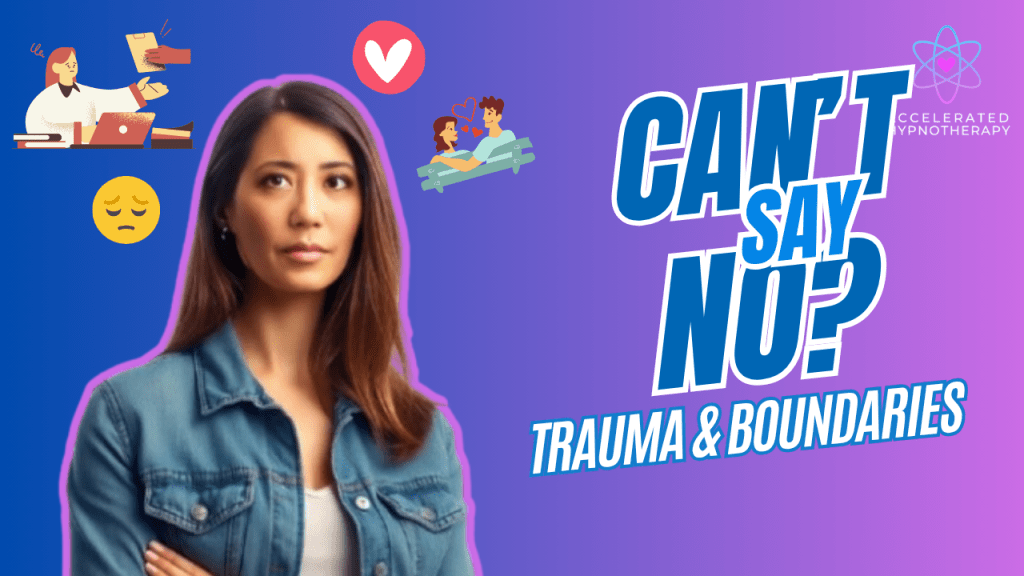
People who’ve experienced trauma often struggle with setting boundaries. It’s not about being weak—it’s about how trauma rewires the brain and body. This article explains why saying no, speaking up, or protecting your space can feel unsafe, confusing, or even impossible after trauma.
-
Can You REALLY Stay With a Cheating Partner?

Here are four key questions that you can ask after betrayal to reveal hidden unhappiness in relationships. If you answer “no” to all of them, your relationship may be more disconnected than you realize. This article explores emotional safety, conflict style, curiosity, and accountability—core foundations of love that you will need to rebuild a relationship…
-
Why Betrayal Trauma Can Lead to Weight Gain

Often weight gain after betrayal isn’t about food, exercise, or willpower. It’s a trauma response. Your body may be trying to protect you, stay hidden, or calm overwhelming emotions. This article explains how betrayal trauma can lead to weight changes and why it’s not just about habits—it’s about what is going on in your brain.
-
Trauma-Related Weight Issues: What You Might Be Carrying Without Realizing It

If you’ve struggled with body image or weight issues despite doing “everything right,” trauma could be the missing link. Chronic body judgment can act like trauma, changing how you eat, feel, and see yourself. Learn how body-based therapy, like Accelerated Hypnotherapy helps release stored shame and restore a sense of safety in your body.
-
Feeling Bitter & Stuck After Betrayal?

If you’ve ever felt stuck in bitterness after something unjust—like betrayal, rejection, or a humiliating loss—you might relate to Post-Traumatic Embitterment Disorder (PTED). It’s not just sadness or fear. It’s a trauma response rooted in moral injury and injustice, often misdiagnosed as depression or PTSD.
-
Maybe It’s Not a Motivation Issue – It May Be Trauma

Trauma can make everyday tasks feel overwhelming. What if it’s not laziness or lack of motivation? What if your nervous system is stuck in survival mode from your past traumatic experiences? This article explains why trauma affects focus, energy, and follow-through, and how body-based approaches like Accelerated Hypnotherapy or OEI therapy can help your brain…
 Accelerated Hypnotherapy - Rapid Results